






-


-


-


Online Message


Thicker packaging or tighter temperature control: which protects exported ice cr
2026-10-22
Share to:



Temperature control comes first, because packaging cannot stop product from warming if the reefer loses power. Thicker packaging buys time against short fluctuations and protects shape against handling. Use both, and remember that neither brings risk to zero.
Why Does Temperature Control Take Priority?
In exported ice cream logistics, active refrigeration inside the 40-foot high-cube reefer container remains the primary barrier against irreversible structural failure. Maintaining a stable sub-zero environment is non-negotiable for frozen desserts. For standard maritime transport, -20℃ is the recommended operational baseline, while high-fat, premium, or long-haul voyages require a tighter range of -23℃ ~ -25℃.
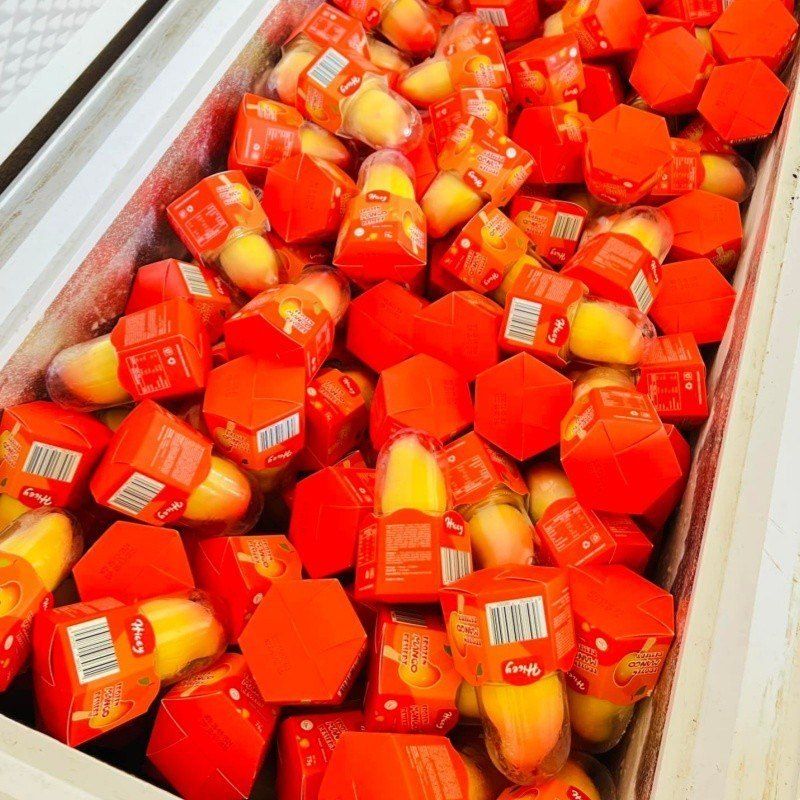
If a reefer loses power or experiences prolonged compressor failure during a multi-week ocean transit, passive insulation will eventually fail. Thicker cardboard or insulated liners cannot generate cooling capacity. Once ambient heat penetrates the container over an extended window, ice crystals grow and product quality collapses. Therefore, stable reefer operation takes absolute priority over box thickness.
!图2:冷柜堆放场景(场景_3D芒果冰淇淋_冷柜堆放_俯拍_01.jpg)
What Role Does Thicker Packaging Play?
While temperature control protects the cold chain macroscopically, packaging acts as the second line of defense against micro-fluctuations.
Thicker secondary boxes, insulated liners, and sturdy master cartons protect exported ice cream during port handling, customs inspections, and warehouse transfers. They buffer short-term ambient exposure when doors open briefly or when pallets sit on a warm apron. Furthermore, robust cartons prevent physical crushing and deformation from stacking pressure during long-distance transit.
| Comparison Factor | Temperature Control (Reefer) | Thicker Packaging |
|---|---|---|
| Primary Function | Maintains stable -20℃ to -25℃ environment | Buffers short temperature spikes & physical impact |
| Failure Consequence | Complete product melting and structural loss | Surface softening or carton crushing |
| Operational Limit | Dependent on continuous power supply | Finite thermal resistance over extended hours |
!图3:工厂流水线俯拍(工厂_生产车间_流水线_俯拍_04.jpg)
How to Balance Both in Export Operations?
Neither active refrigeration nor sturdy packaging eliminates risk entirely. Unexpected port congestion, customs delays, or power disconnections present ongoing hazards in global shipping. Importers and distributors should verify that suppliers utilize reliable reefer monitoring systems alongside appropriately graded outer cartons to safeguard shipped inventory.
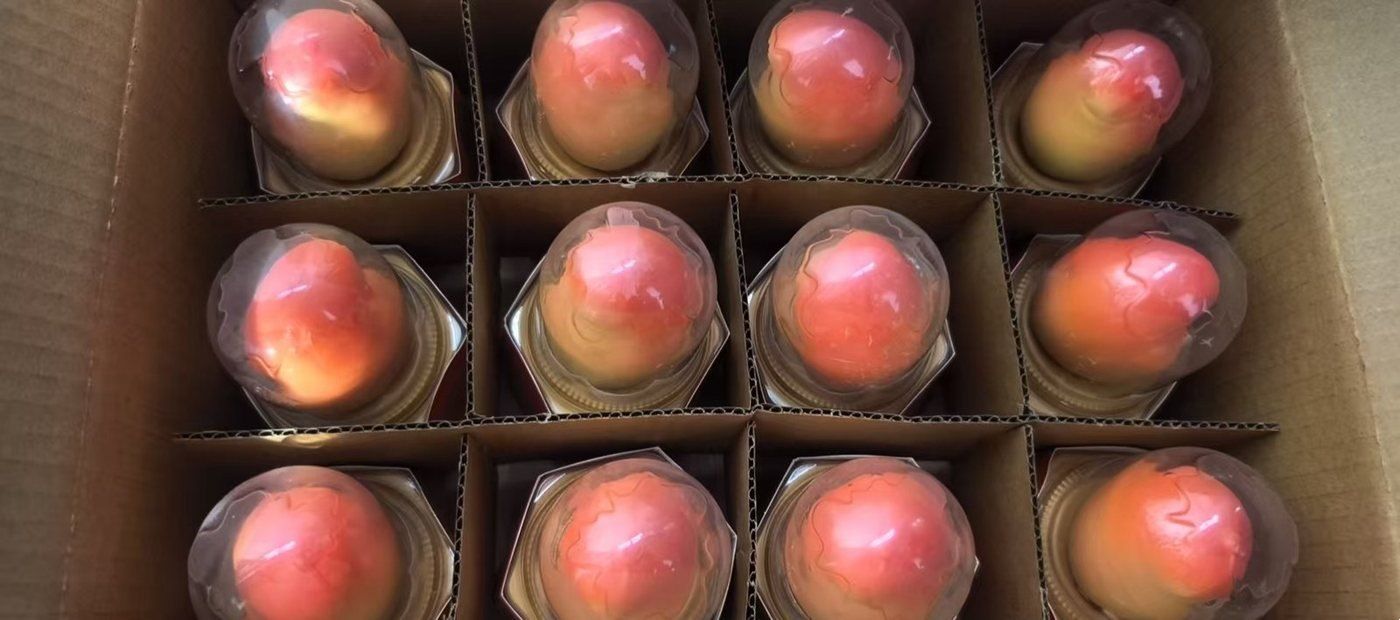
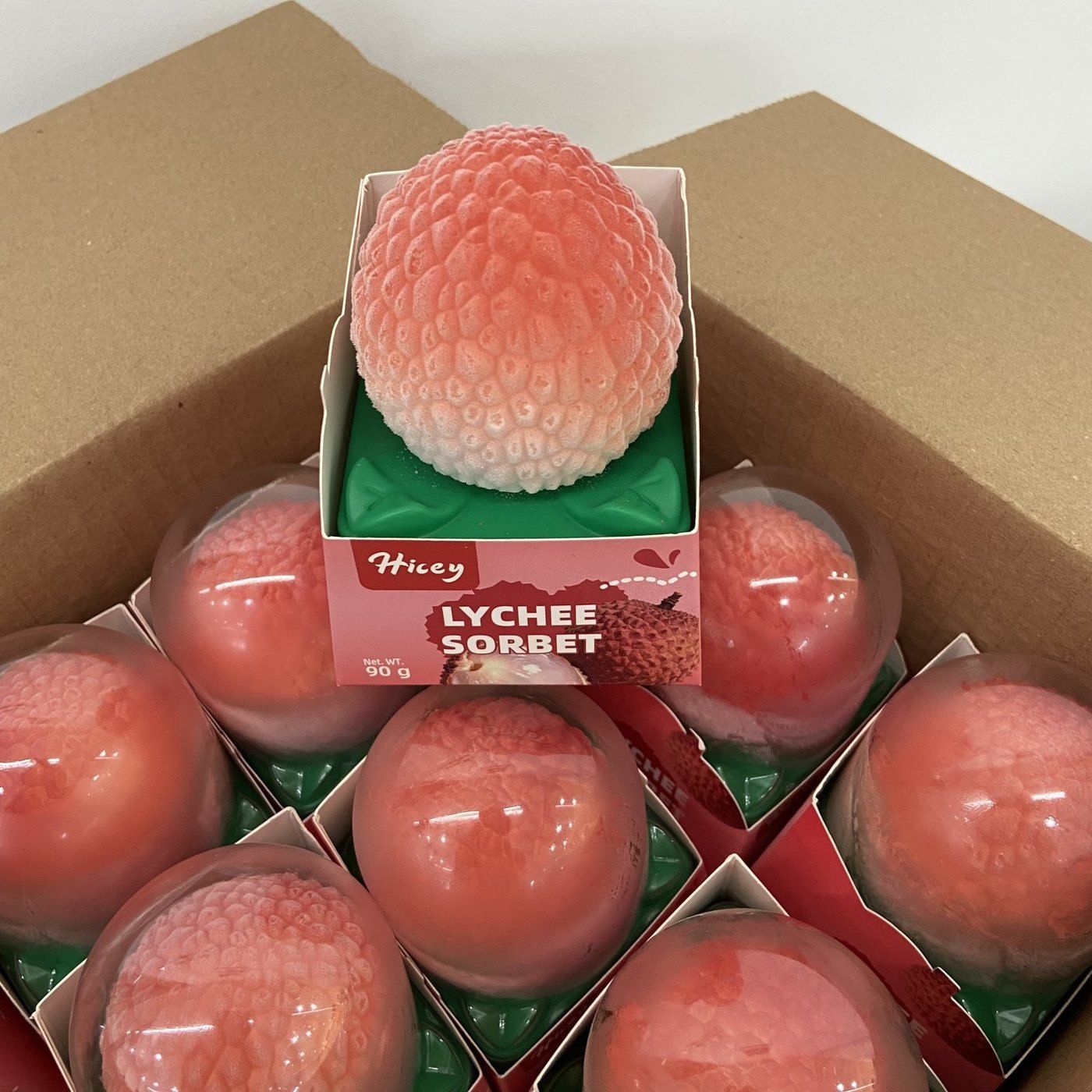
!图4:开箱俯拍(案例_桃子冰淇淋到货_开箱俯拍_02.jpg)
FAQ
Can thicker packaging extend transit time without refrigeration? No. Packaging only slows heat transfer; it cannot replace active refrigeration for deep-frozen products.
What temperature is required for ice cream container shipping? Standard maritime shipping typically requires -20℃, whereas long-haul or high-fat formulas demand -23℃ ~ -25℃.
!图5:产品切面特写(产品_3D芒果冰淇淋_咬开切面_手持_01.jpg)
#packaging #temperature control #exported ice cream #cold chain
Authored by the regulatory and sales team at Hicey. Under Beijing Youshare Food Co., Ltd., we support global private label programs with three distinct compliance baselines: FDA registration for North America, HALAL certification for the Middle East, and ISO22000 management.
Product super fit, quick contact unlock exclusive program


looking for more infermatien?
Tel+Whatsapp:
Address: Yard 8, Fuze Road ,Fangshan District.Beijing, China
610 Zhonghai International Plaza, LicangDistrict, Qingdao, Shandong, China