




-


-


-


Online Message


Peak-season or low-season ordering: when do Chinese ice cream factories have roo
2026-10-23
Share to:


Why do production slots tighten between March and October?
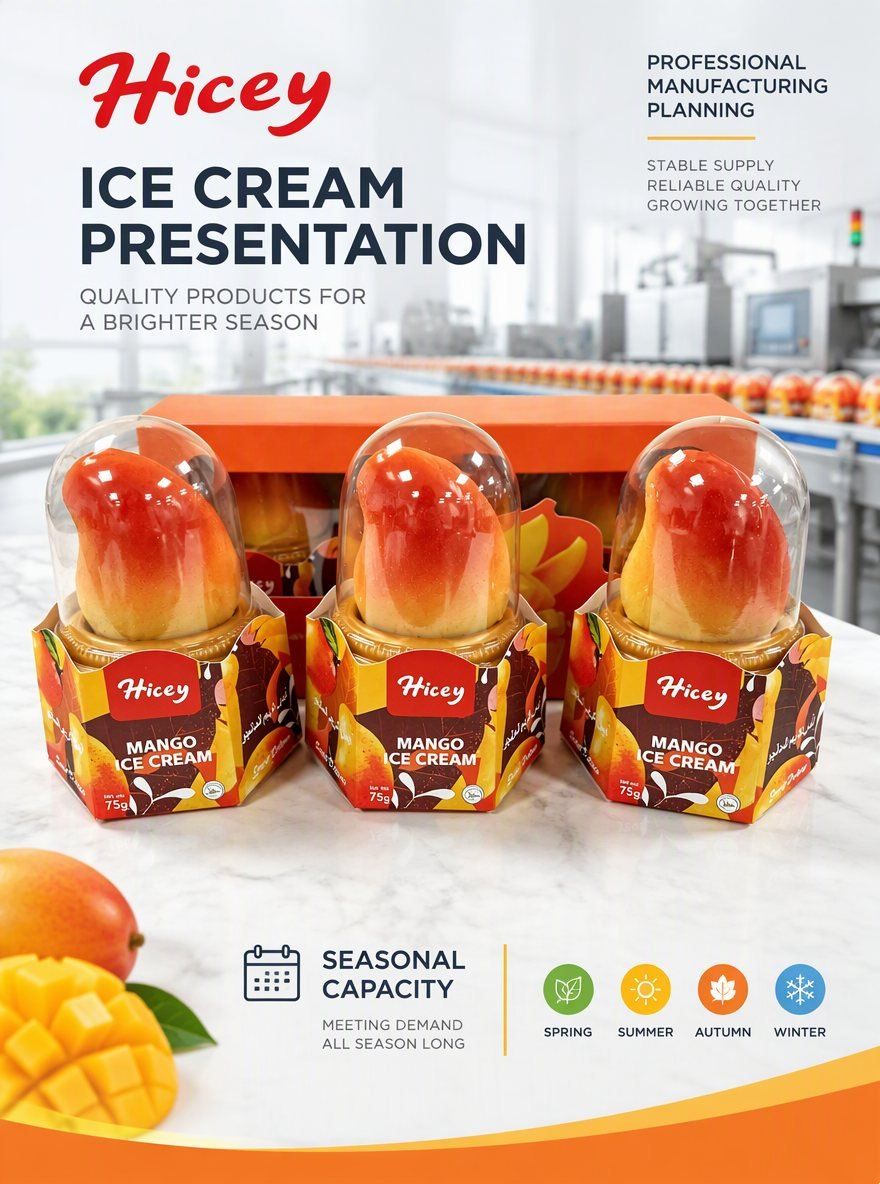
Northern peak runs roughly March to October, and both line slots and reefer space tighten together. During these months, domestic and export demand surge simultaneously. Ice cream factories operate at full capacity, meaning line changes, custom packaging runs, and trial orders face long queues. At the same time, refrigerated container (reefer) space on vessels becomes scarce as multiple temperature-controlled food categories compete for slots. Placing orders during spring often results in tight schedules and less flexibility for custom requirements.
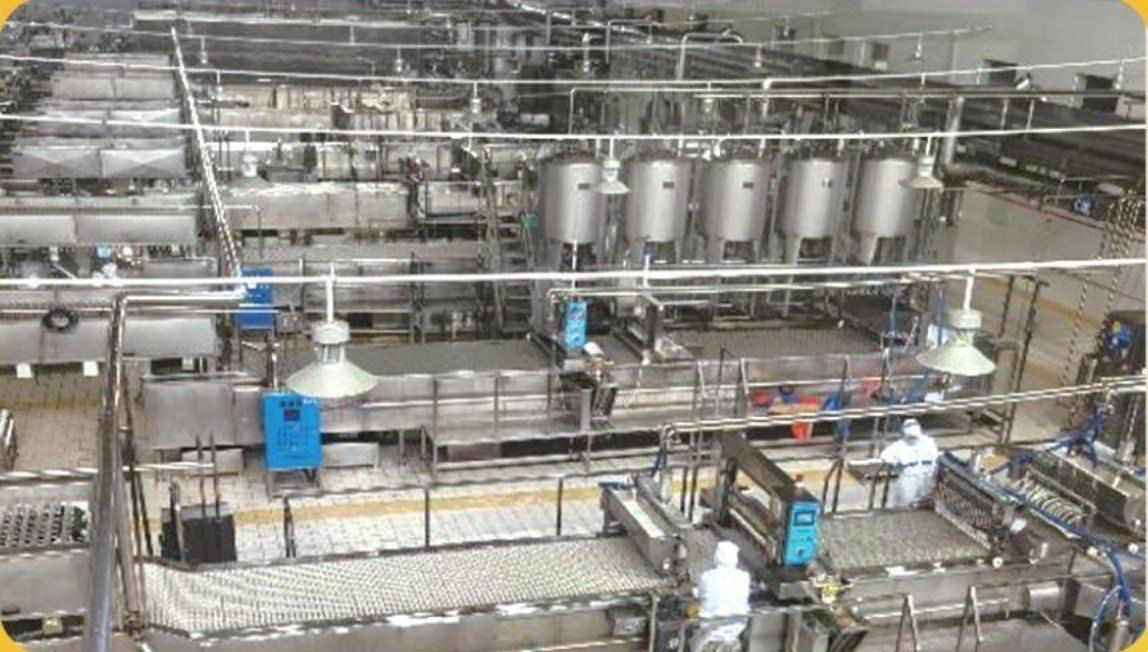
!Production and Line Capacity(fig2.jpg)
What are the advantages of low-season ordering from November to February?
November to February is the low season, when plants have room and buyers have time to check documents. Without the pressure of immediate summer fulfillment, factories can allocate dedicated time for line trials, custom box printing, and multi-language label verification. Importers who plan their annual inventory during these winter months secure favorable production schedules and avoid the frantic rush of spring.
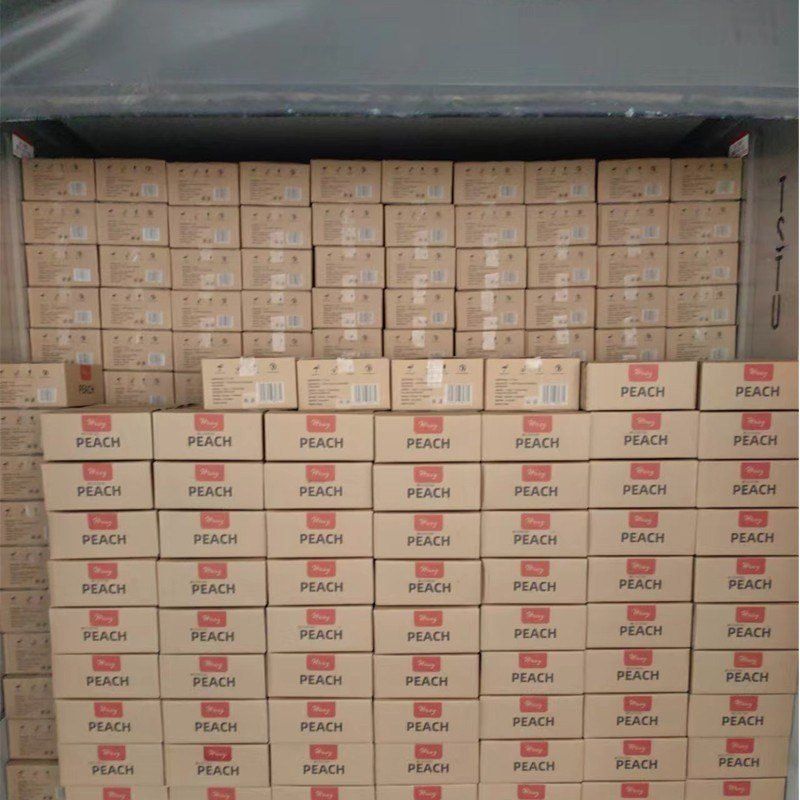
!Cold Chain and Packing(fig3.jpg)
How do reefer space and document verification align in winter?
Orders for summer placed in the low season get better slots than orders placed in spring. Beyond securing production capacity, winter is the optimal window to verify export paperwork, review certificate scopes (such as HALAL, FDA, and ISO22000), and inspect sample batches without time-zone urgency. Coordinating reefer container booking well ahead of the warm weather ensures that goods leave the factory gate and clear customs smoothly, protecting supply chain continuity for the upcoming retail season.
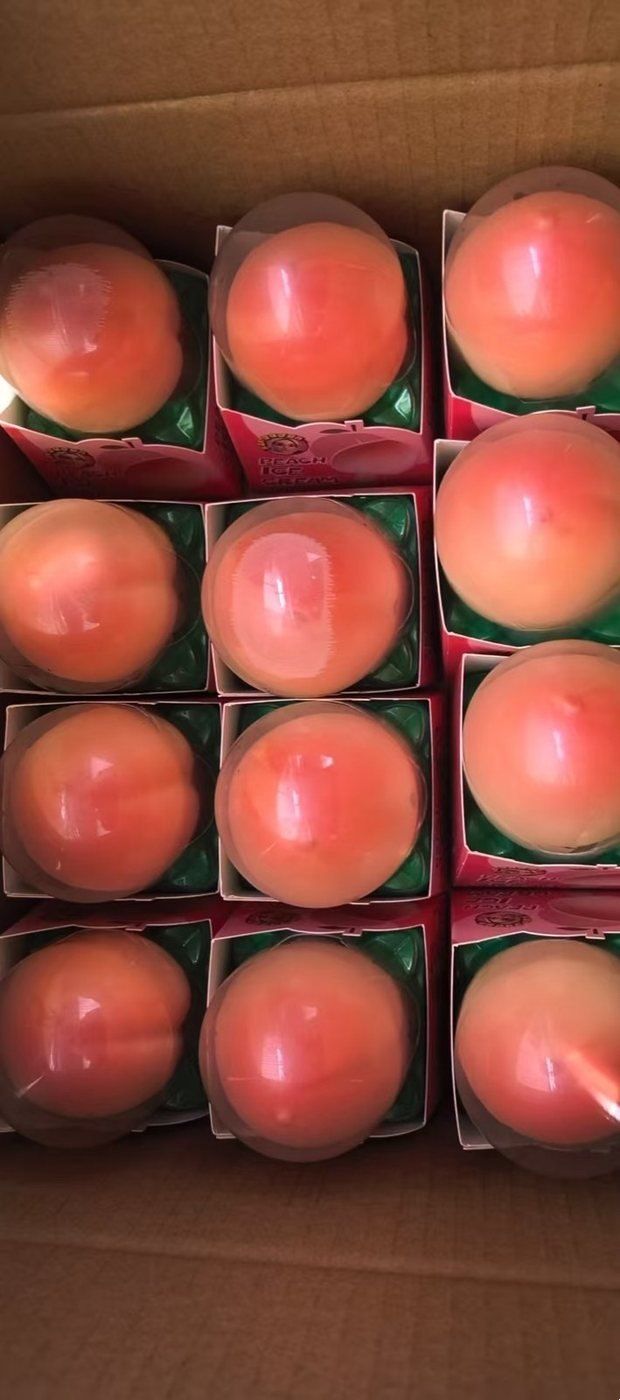
!Arrival and Inspection(fig4.jpg)
Authored by the regulatory and sales team at Hicey. Under Beijing Youshare Food Co., Ltd., we support global private label programs with three distinct compliance baselines: FDA registration for North America, HALAL certification for the Middle East, and ISO22000 management.
#supplychain #icecream #importing #manufacturing
Product super fit, quick contact unlock exclusive program


looking for more infermatien?
Tel+Whatsapp:
Address: Yard 8, Fuze Road ,Fangshan District.Beijing, China
610 Zhonghai International Plaza, LicangDistrict, Qingdao, Shandong, China