







-


-


-


Online Message


Sourcing ice cream from the northern or the southern hemisphere: how do the seas
2026-10-28
Share to:


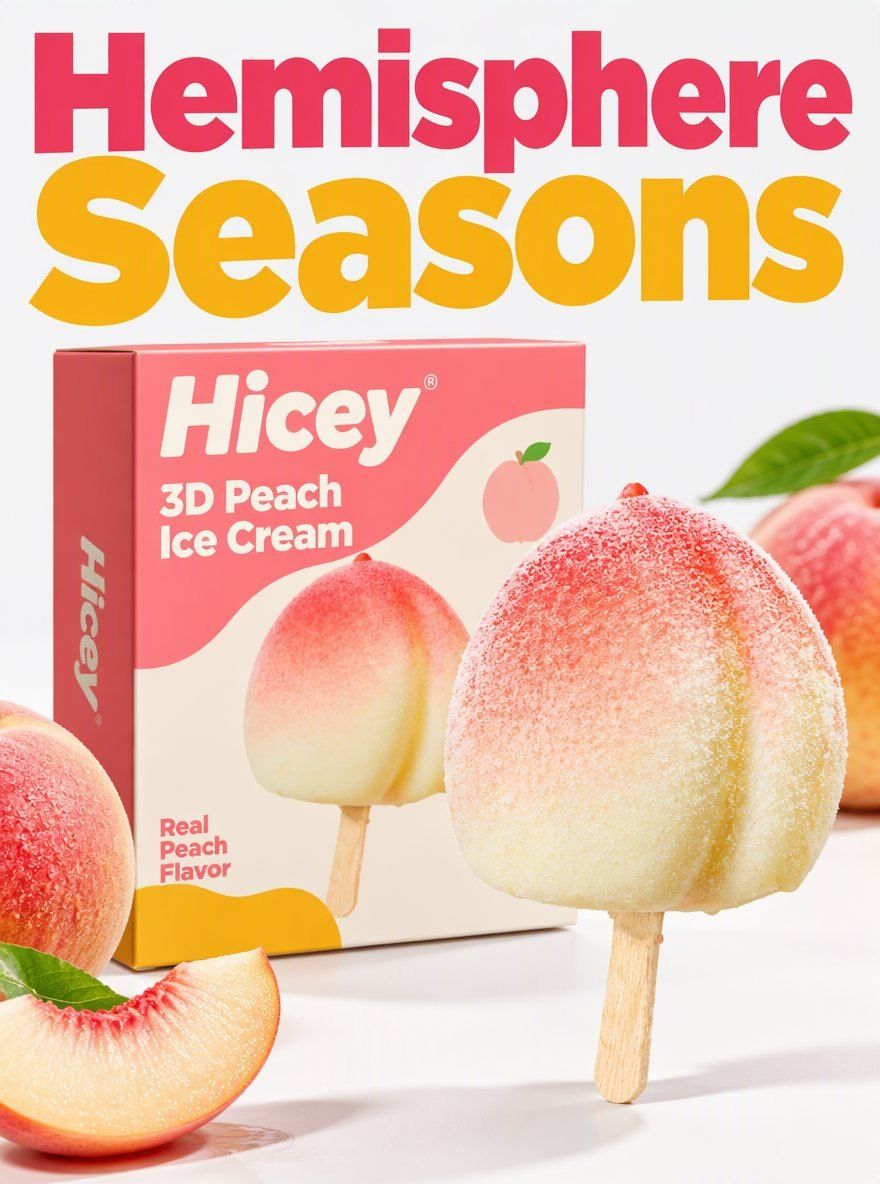
How Do the Seasons Differ Between Northern and Southern Hemispheres in Ice Cream Sourcing?
Peak in the north is roughly March to October; the south is the reverse. Importers selling into several regions can smooth their buying across the two calendars, and factories have free slots in their own low season. The assumption that summer is one global date is the common planning mistake.
Why Does the "Single Global Summer" Assumption Fail?
Many buyers approach global procurement with the mindset that ice cream demand peaks simultaneously worldwide. However, seasonal shifts between the northern hemisphere and the southern hemisphere dictate entirely different consumption cycles. In the north, peak season runs from March to October, driven by warm weather across North America, Europe, and parts of Asia. Conversely, the southern hemisphere experiences its peak when the north cools down. Recognizing this inverse rhythm prevents stockouts and optimizes regional inventory management.
How Can Importers Smooth Their Buying Across Two Calendars?
Importers operating across multiple regions can leverage these opposite ice cream seasons to stabilize supply chains. Instead of concentrating all purchasing volumes into a single window, buyers can stagger orders. When northern markets enter their low season and demand dips, southern markets are ramping up. This allows procurement teams to maintain consistent shipping volumes year-round, avoiding the freight rate spikes and port congestion typical of a universal spring rush.
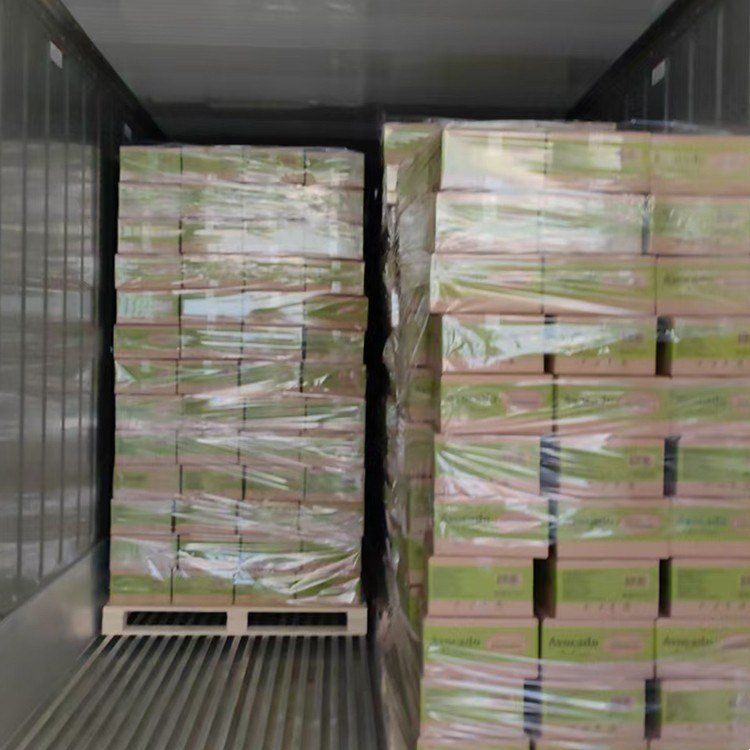
| Region | Primary Peak Window | Typical Inventory Strategy |
|---|---|---|
| Northern Hemisphere | March to October | Pre-season stocking in early spring |
| Southern Hemisphere | November to February | Mid-year order alignment |
What Are the Advantages of Utilizing Factory Low Seasons?
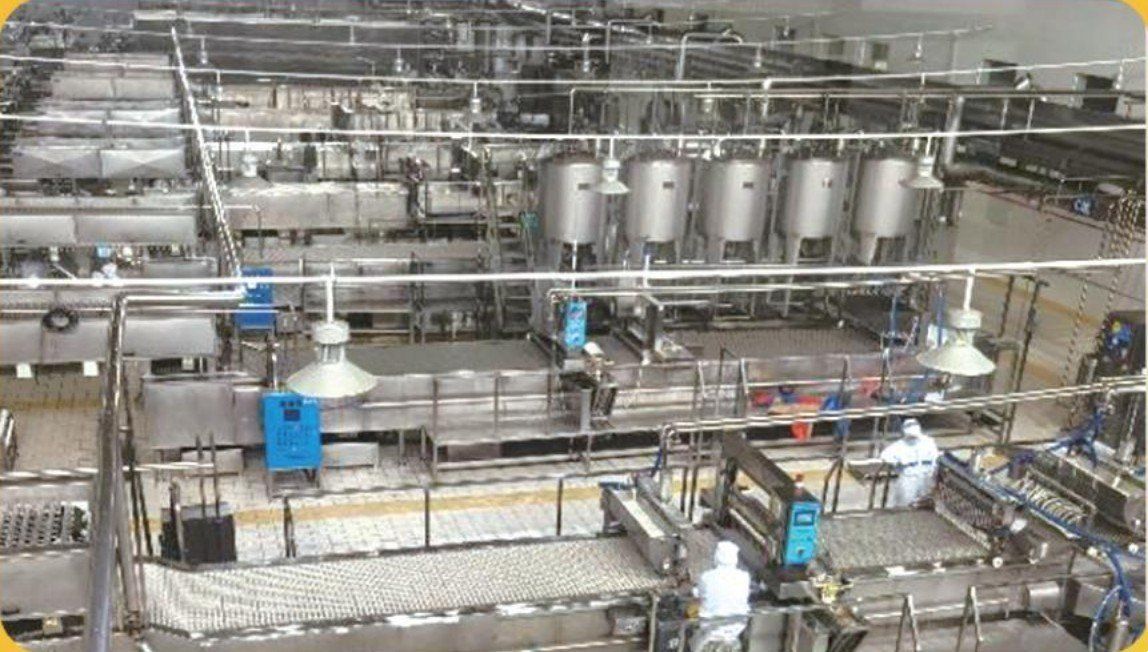
Manufacturing facilities experience distinct capacity shifts based on geography and local climate. When the northern hemisphere enters winter, local production slows, leaving manufacturing lines with available capacity. Importers targeting southern markets—or those planning ahead for the next northern spring—can secure production slots during these factory low seasons. Booking capacity when demand is locally subdued often results in smoother scheduling and more predictable lead times without competing against regional peak-season rushes.
FAQ
Q: Does seasonal shifting affect product formulations? A: No. Core product recipes and packaging standards remain consistent under proper -18°C cold chain conditions, regardless of seasonal production timing.
Q: How far in advance should cross-hemisphere orders be scheduled? A: Planning should account for regional shipping routes and production lead times, ensuring capacity is secured ahead of the respective market's peak demand window.
Authored by the regulatory and sales team at Hicey. Under Beijing Youshare Food Co., Ltd., we support global private label programs with three distinct compliance baselines: FDA registration for North America, HALAL certification for the Middle East, and ISO22000 management.
#supplychain #icecreamseasons #procurement #globaltrade
Product super fit, quick contact unlock exclusive program


looking for more infermatien?
Tel+Whatsapp:
Address: Yard 8, Fuze Road ,Fangshan District.Beijing, China
610 Zhonghai International Plaza, LicangDistrict, Qingdao, Shandong, China