




-


-


-


Online Message


What is the difference between 3D ice cream and 2D ice cream?
2026-10-29
Share to:


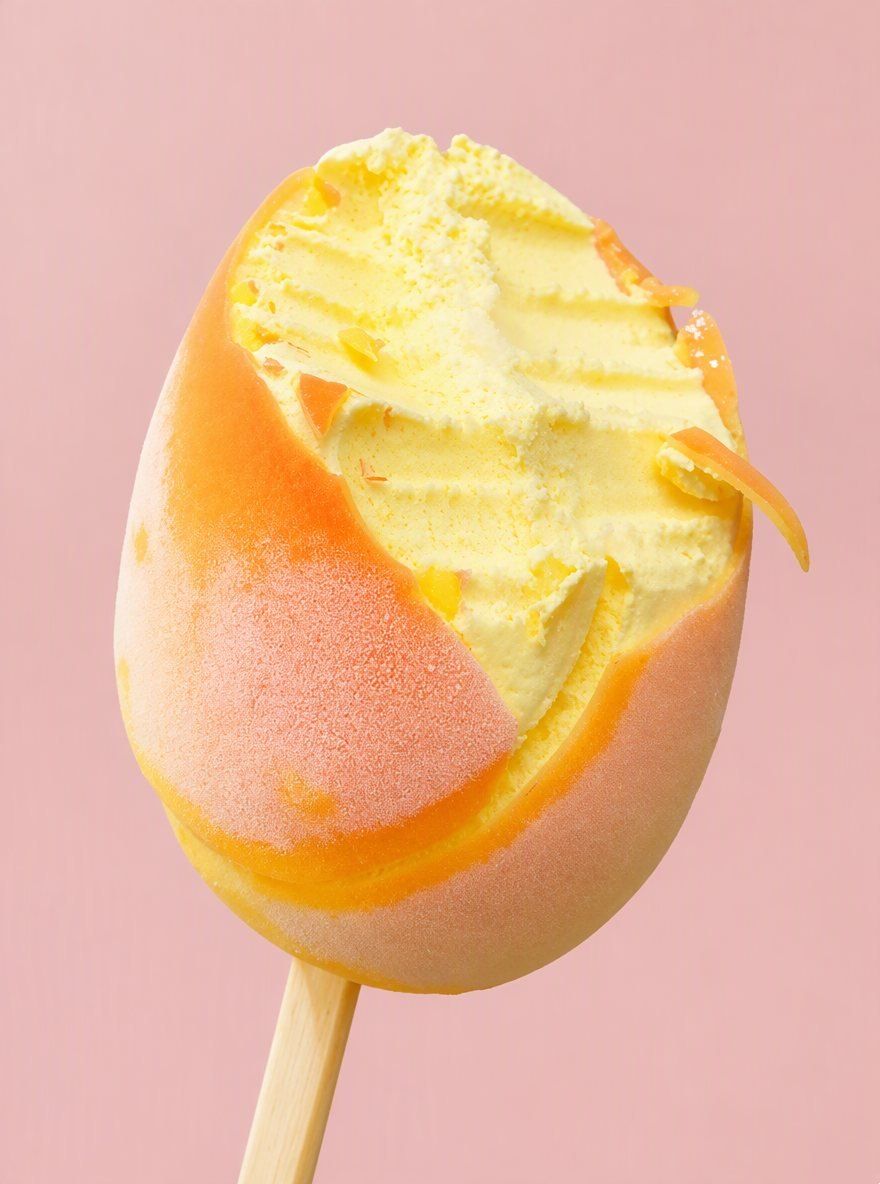
There is no industry standard, so buyers and suppliers must agree on terms first. In practice, 3D means a fully three-dimensional likeness shaped on all six sides; 2D means a flat piece with the pattern on the front only. The two use different molds and have different cost structures, so quotes for one cannot be compared with the other.
What defines 3D versus 2D ice cream?
In the frozen dessert manufacturing industry, the terms "3D" and "2D" do not have universal, regulated definitions. Different suppliers apply them based on visual appearance.
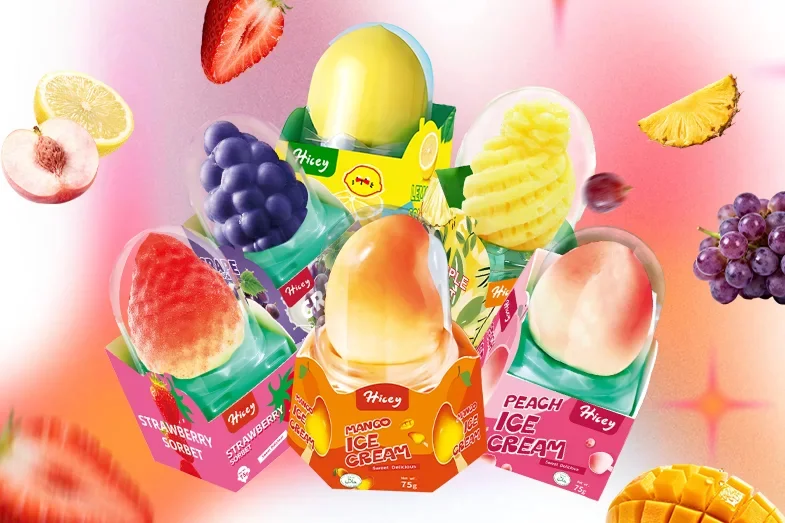
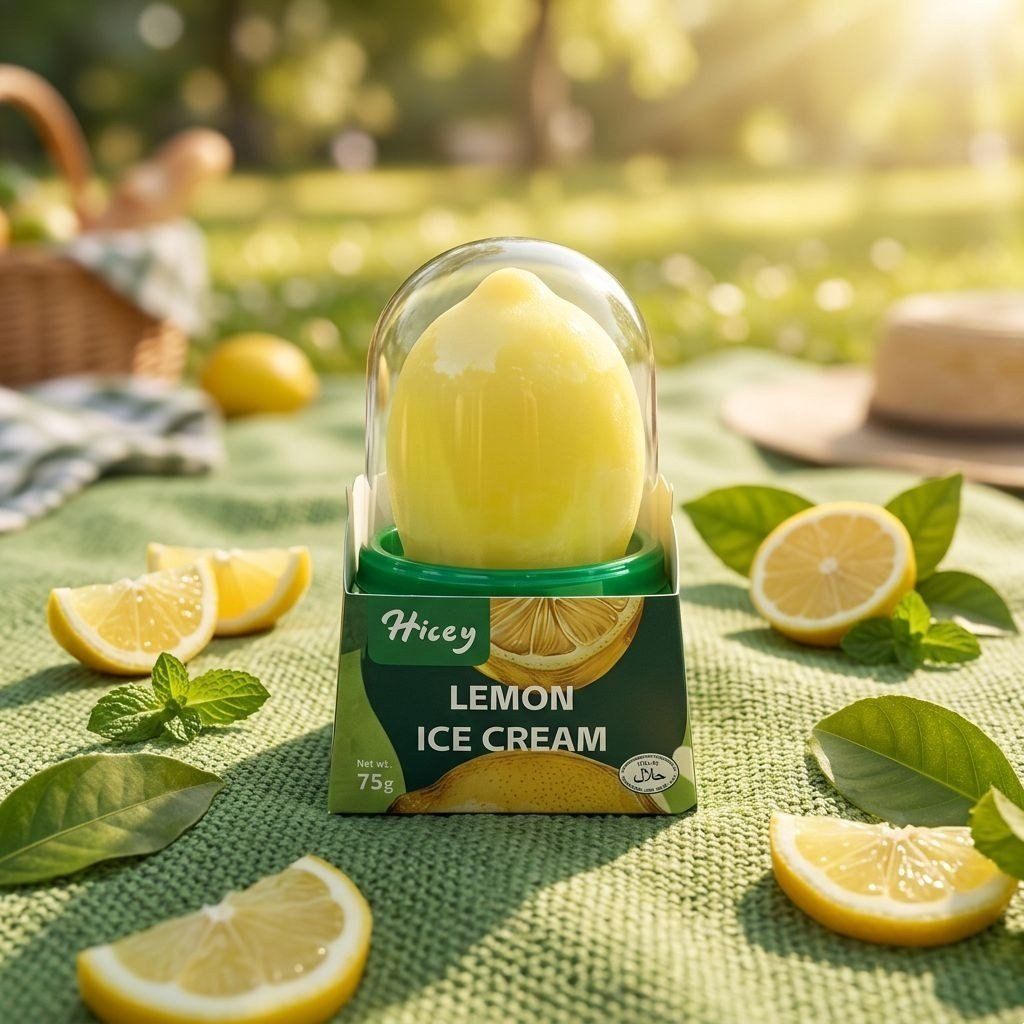
For manufacturers like Hicey, the ice cream brand of Beijing Youshare Food Co., Ltd., 3D ice cream refers to fully three-dimensional, sculpted products designed with 1:1 realism across all six sides—such as whole-fruit shapes that look like a real mango, peach, or lemon from every angle. In contrast, 2D ice cream refers to flat or semi-flat molded items where the detailed pattern and decoration appear strictly on the front side, while the back remains flat.
How do molds and cost structures differ?
The distinction between 3D and 2D goes far beyond aesthetics; it directly impacts production engineering and unit costs.
Producing a 3D ice cream requires multi-part precision molds, complex freezing curves, and careful demolding parameters to maintain structural integrity without surface defects. The intricate shaping and lower demolding yields increase the production baseline. On the other hand, 2D items utilize simpler single-sided molds, resulting in higher production speeds and lower waste rates. Because molds, labor inputs, and waste rates differ significantly, price quotes for 3D and 2D items cannot be directly compared against each other without aligning specifications.
Why must buyers and suppliers agree on terms first?
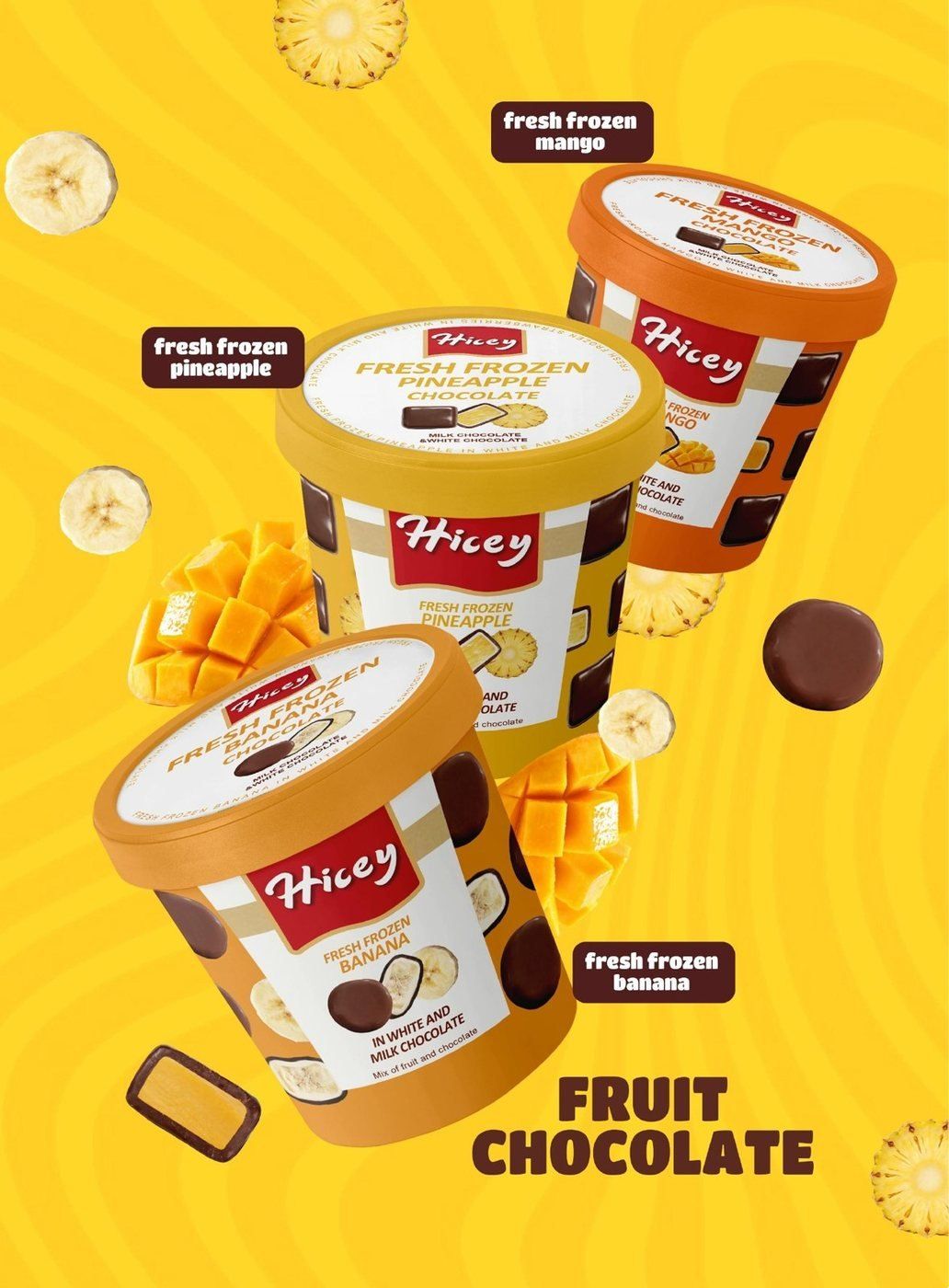
When procurement teams request quotations from international suppliers, asking for "shaped ice cream" without specifying dimensions often leads to mismatched expectations.
A low quotation from one supplier may reflect a 2D flat product, while a higher quote from another covers a full 3D sculpted item. Before finalizing purchase orders or requesting private-label samples, buyers and suppliers must explicitly define whether the items require full 3D simulation or 2D front-only patterns. Establishing this baseline prevents misunderstandings during sampling, mold development, and bulk production.
FAQ
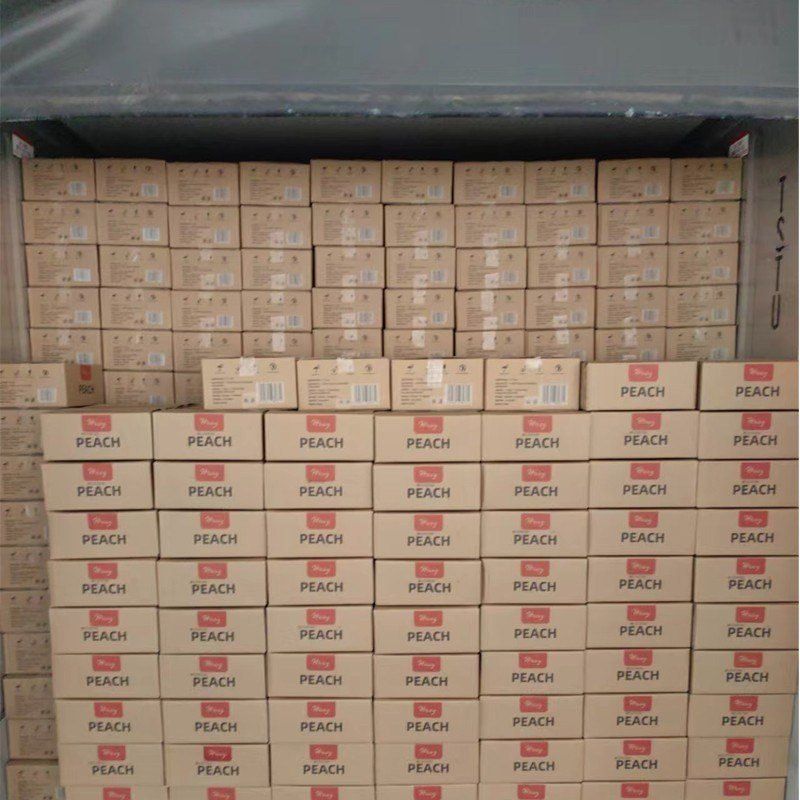
Q: Can a supplier produce both 3D and 2D items under the same private label? A: Yes. Many distributors mix 3D statement pieces and 2D standard items in a single mixed container (FCL) to balance shelf appeal with cost efficiency, provided both parties agree on the technical specifications beforehand.
#3D ice cream #2D ice cream #private label ice cream #ice cream supplier #frozen dessert procurement
Written by the Hicey export team at Beijing Youshare Food Co., Ltd. We specialize in cross-border B2B supply of novelty molded ice cream, currently shipping to more than 80 countries and regions with verified deliveries and ongoing partnerships.
备选标题(按发布位置选用)
- 小红书:What is the difference between 3D ice cream and 2D ice cream?
- 抖音:Understanding 3D vs 2D shaped ice cream in global procurement
Product super fit, quick contact unlock exclusive program


looking for more infermatien?
Tel+Whatsapp:
Address: Yard 8, Fuze Road ,Fangshan District.Beijing, China
610 Zhonghai International Plaza, LicangDistrict, Qingdao, Shandong, China