




-


-


-


Online Message


When does importing shaped ice cream beat making it locally?
2026-10-31
Share to:


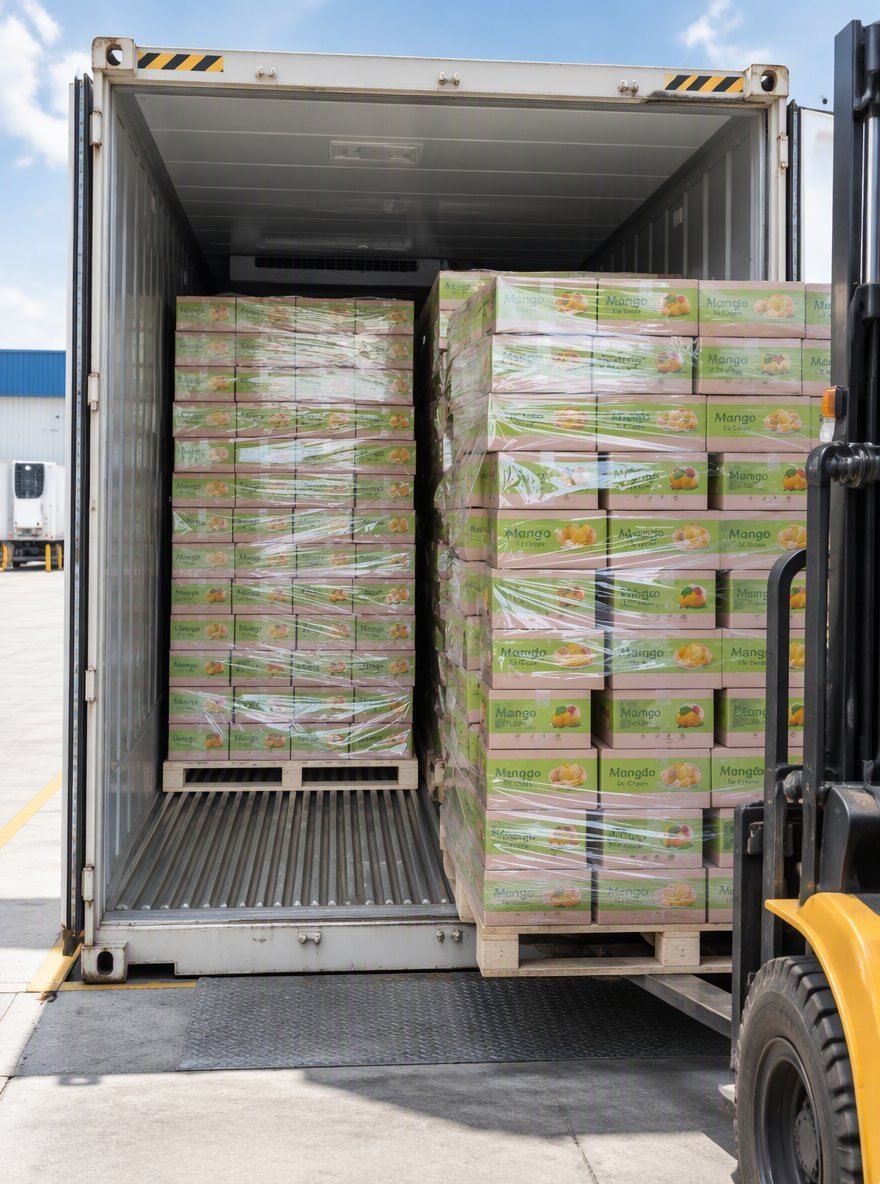
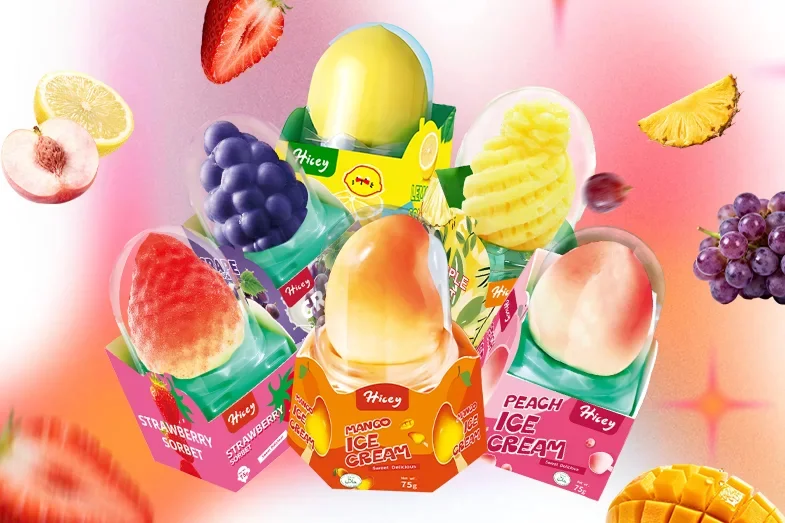
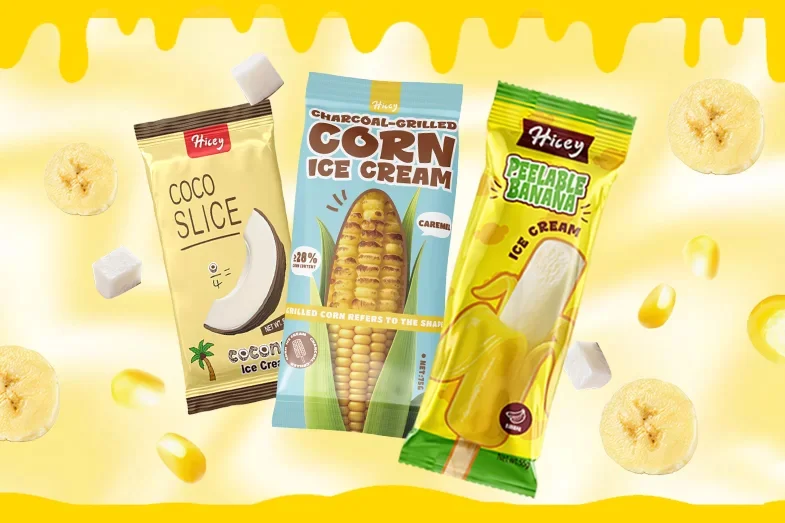
Importing shaped ice cream beats local production when the product requires complex 3D molds that local lines do not run, when orders fill mixed reefers to optimize logistics, and when the calendar allows proper scheduling plus transit. While short deadlines and tiny runs favor local supply, shape-led items are growing faster than the wider category, driven by 3D fruit shapes and private label demand.
For B2B buyers evaluating whether to source or manufacture domestically, the decision comes down to three operational factors.
1. Mold Capabilities and Shape Specialization
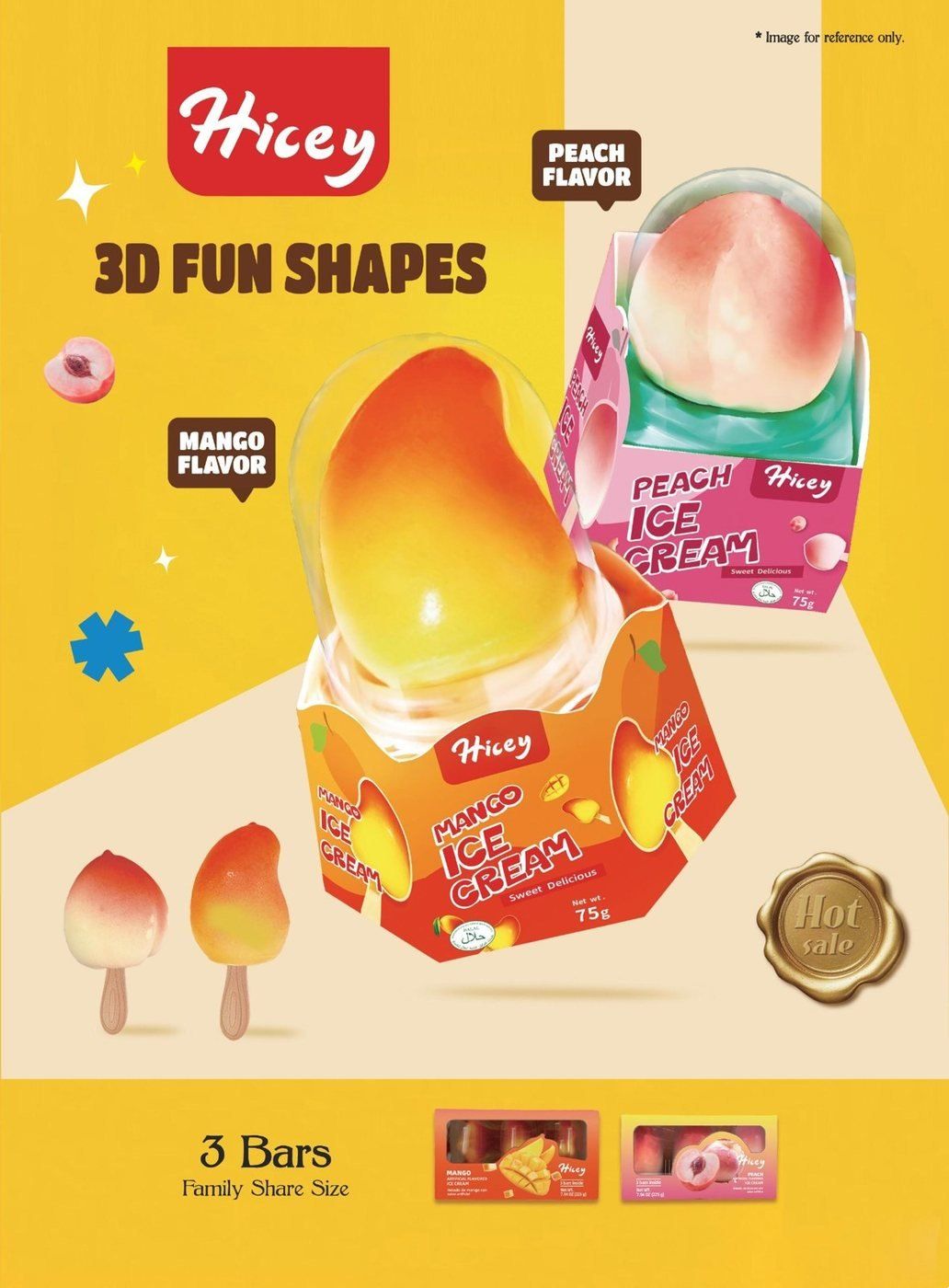
Local manufacturing lines are typically built for high-volume standard bars or cups. Re-tooling a local line for complex 3D fruit shapes—such as 3D mangoes, peaches, or bananas—involves heavy capital investment and long downtime. When a brand wants distinct visual differentiation that local competitors cannot easily replicate, importing specialized 3D ice cream provides an immediate catalog advantage without upfront machinery costs.
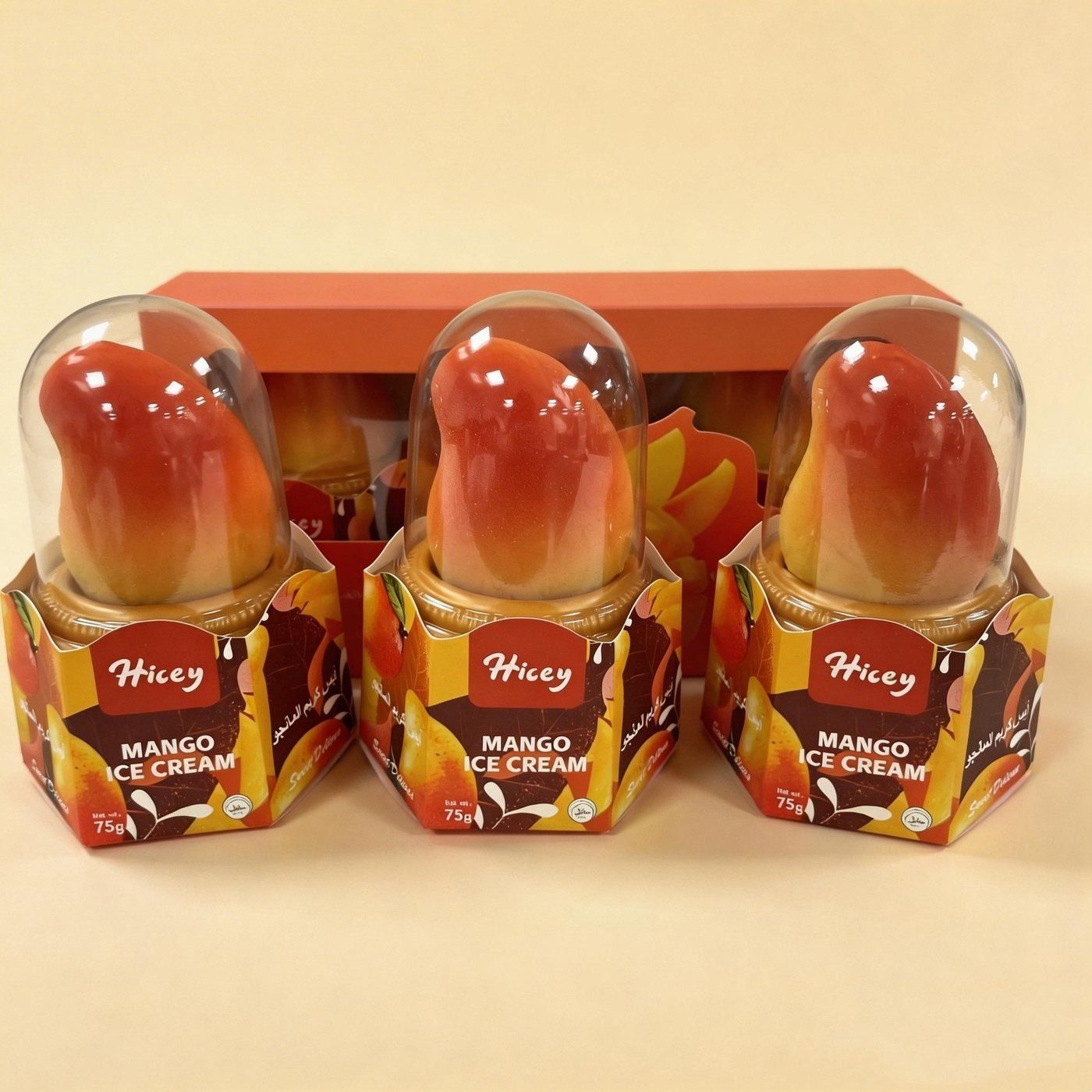
2. Mixed Reekers and Logistics Efficiency
Importing does not always mean taking full containers of a single SKU. Utilizing mixed reefers allows distributors to combine multiple 3D shapes and flavors into one 40-foot high cube container. This approach lowers inventory pressure per SKU while filling the container efficiently, making cross-border shipping economically viable compared to running multiple small local batches.
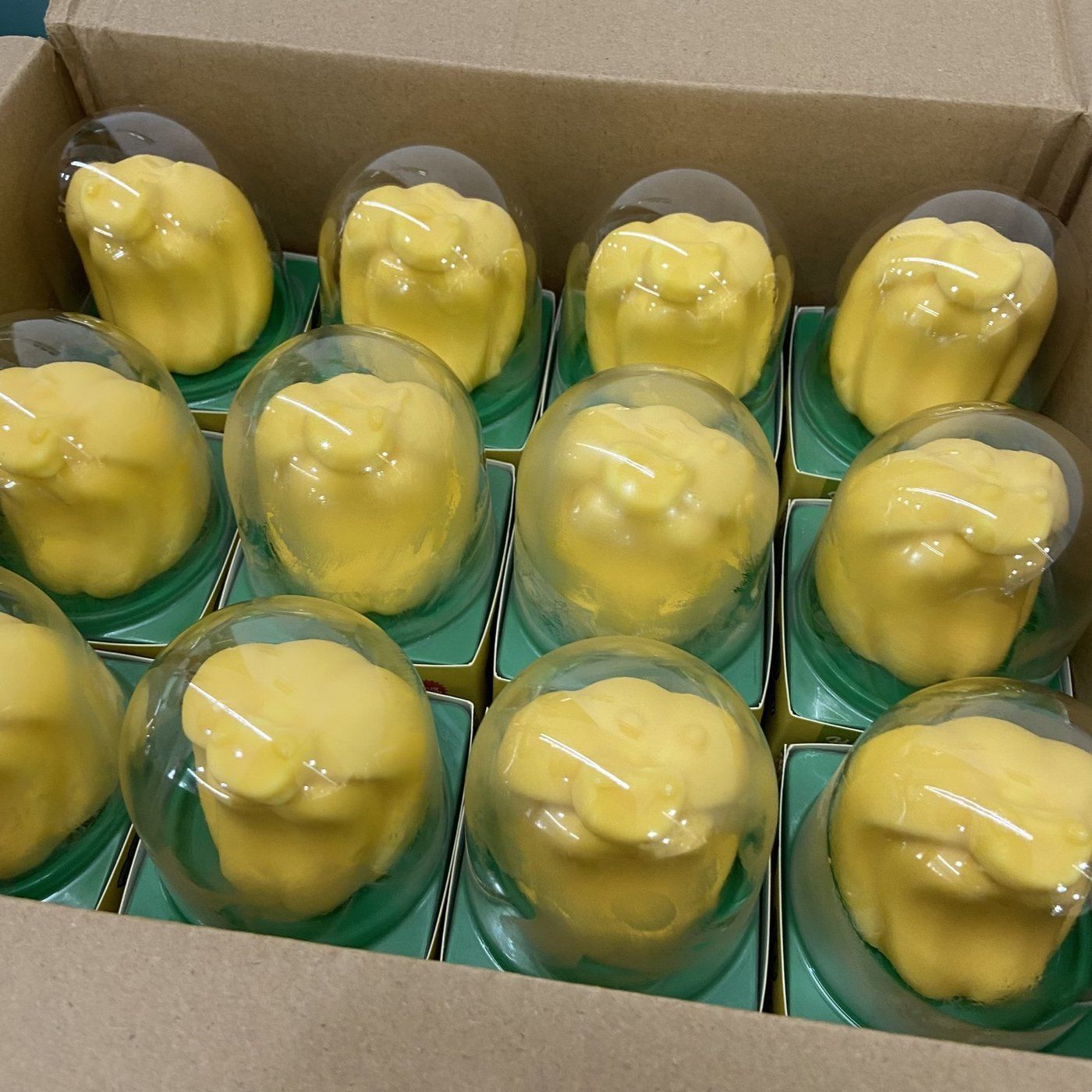
3. Lead Times versus Product Margin
Local production wins when a retailer needs rapid replenishment within days. However, cross-border procurement structured around planned seasonal calendars—such as factoring in a 20-working-day production window and ocean transit—delivers higher gross margins on specialty items.
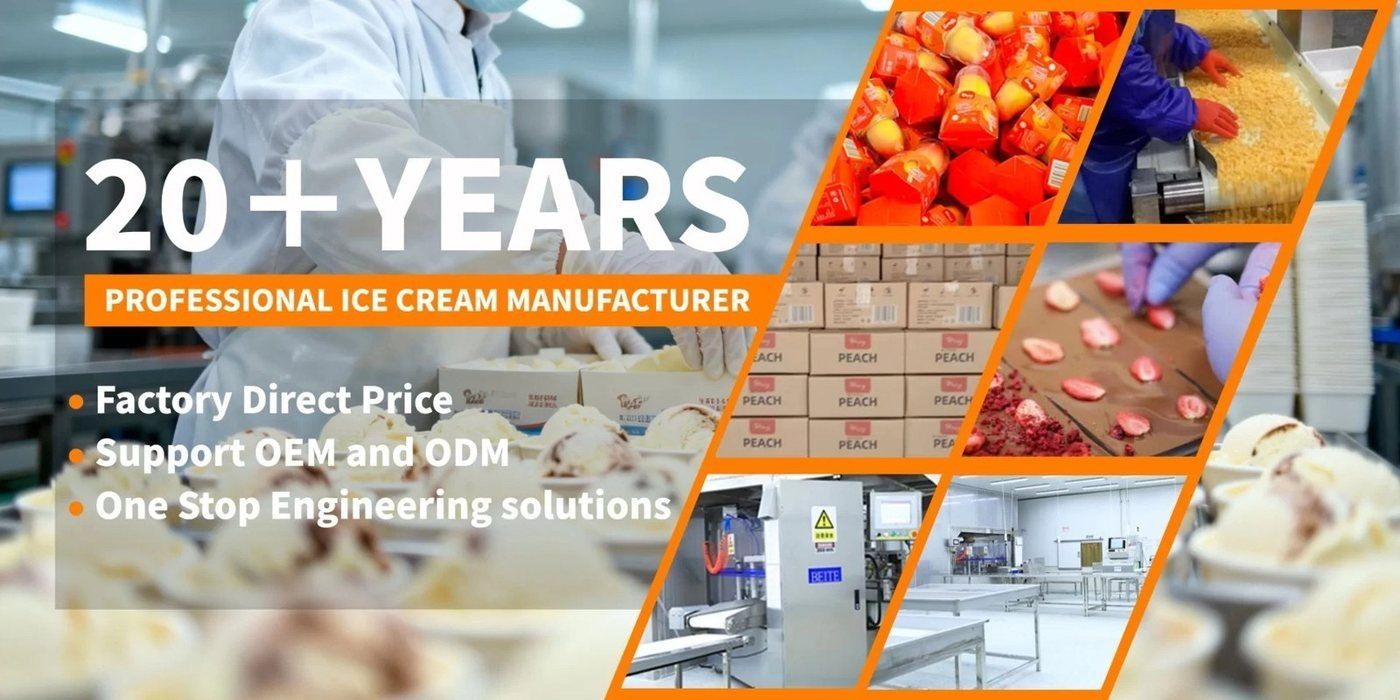
In summary, local supply chains serve immediate, standard replenishment well, whereas importing specialized 3D novelty lines fulfills the demand for unique visual differentiation and private label growth.
Written by the Hicey export team at Beijing Youshare Food Co., Ltd. We specialize in cross-border B2B supply of novelty molded ice cream, currently shipping to more than 80 countries and regions with verified deliveries and ongoing partnerships.
#IceCreamManufacturing #PrivateLabel #3DIceCream #B2BProcurement #SupplyChainStrategy
Product super fit, quick contact unlock exclusive program


looking for more infermatien?
Tel+Whatsapp:
Address: Yard 8, Fuze Road ,Fangshan District.Beijing, China
610 Zhonghai International Plaza, LicangDistrict, Qingdao, Shandong, China