





-


-


-


Online Message


Why Does the Same Ice Cream Shape Look Different from Two Factories?
2026-11-01
Share to:


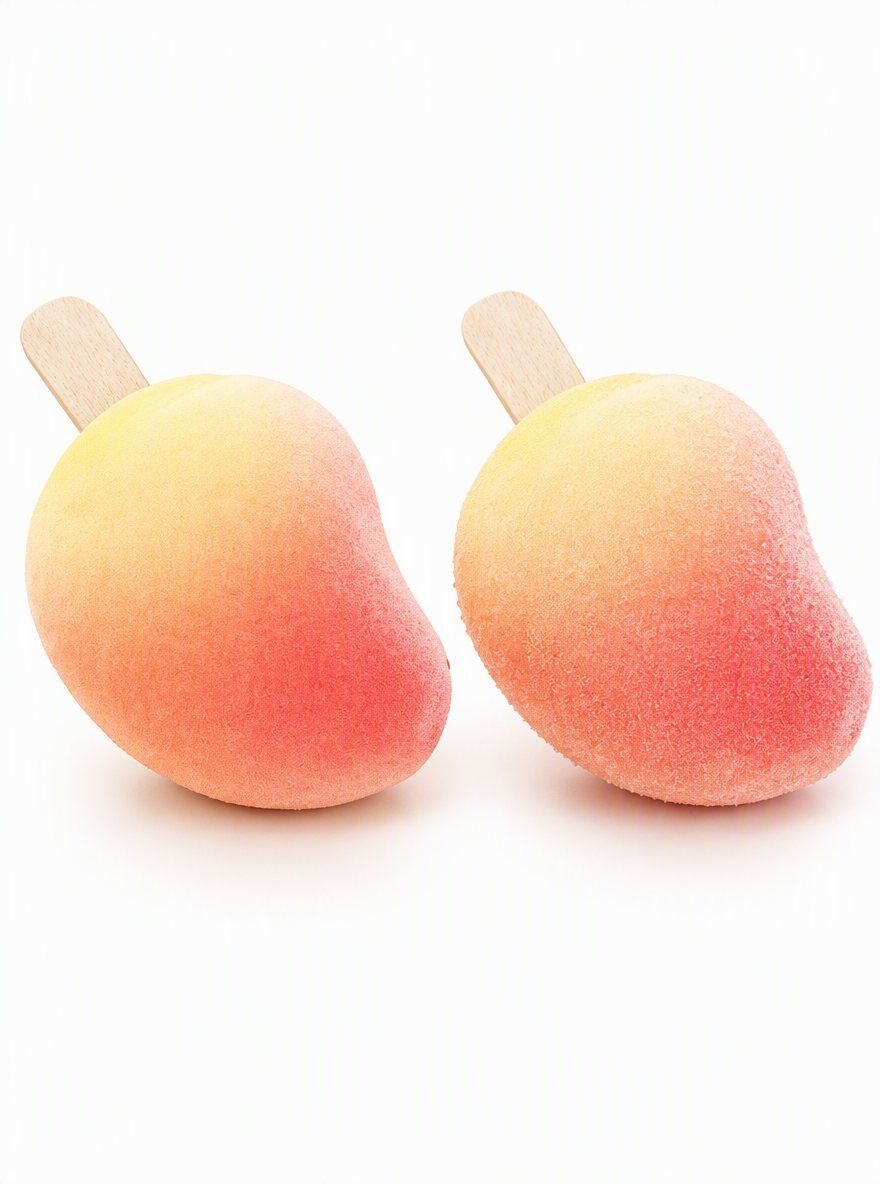
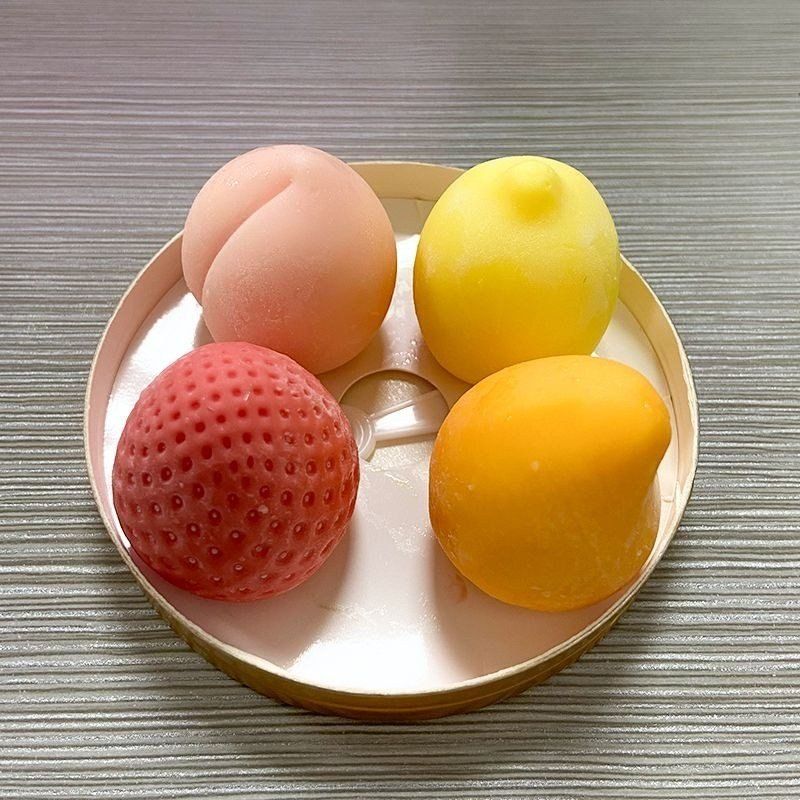
When two manufacturing plants receive the exact same CAD drawing for a molded 3D ice cream, the resulting products often show subtle yet noticeable differences in sharp edges, surface smoothness, and detail definition. Buyers sourcing frozen desserts frequently wonder why identical specifications yield different physical outcomes.
The variation does not stem from a flawed design blueprint. Instead, it arises from how individual plants handle temperature parameters and mechanical draft angles during production.
How Do Temperature Control and Draft Angles Shape the Product?
Releasing a complex 3D shape from a rigid or semi-flexible mold without tearing the frozen matrix relies on a precise balance. According to manufacturing standards for molded frozen novelties, mold release depends on temperature control within the freezing tunnel and structural details such as draft angles, tuned together on each line.
Different factories operate their freezing lines with distinct thermal gradients. If a plant lowers the temperature too rapidly or maintains a differential that stresses the outer layer, the surface micro-structure contracts unevenly. Similarly, the draft angle—the slight taper engineered into the mold cavity—dictates how cleanly the ice cream releases. Two plants working from the same master drawing will make different engineering choices regarding these variables, directly altering the crispness of edges and surface fidelity.
Why Technical Drawings Cannot Guarantee Identical Results
A technical blueprint dictates dimensions, but it cannot dictate the exact operational habits of a production floor.
Molded ice cream production involves balancing freezing speed, demolding temperature, and mechanical extraction force. Plant A might prioritize higher line speed by slightly elevating demolding temperatures, which can soften fine details around complex curves. Plant B might run a slower cycle with tighter thermal control, preserving sharp contour lines at the expense of output volume. Because each facility calibrates its equipment based on its specific refrigeration compressors and ambient plant conditions, the physical pieces emerging from two distinct factories will always carry unique manufacturing signatures.
How Should Buyers Evaluate Production Samples?
Given that identical drawings do not guarantee identical physical goods, B2B procurement professionals must rely on empirical verification rather than paper specifications alone.
When evaluating potential suppliers for custom molded shapes, requesting physical pre-production samples is essential. Compare the samples against the agreed master standard for edge definition, surface texture, and structural integrity under cold conditions. Specifying acceptable tolerances for demolding lines and surface finish in the initial supply agreement prevents misalignment before bulk production begins.
| Evaluation Dimension | What to Check | Why It Matters |
|---|---|---|
| Edge Definition | Crispness of corners and fine contours | Reflects precision in mold release and thermal tuning |
| Surface Texture | Absence of micro-fissures or rough spots | Indicates proper temperature gradients during freezing |
| Sample Consistency | Uniformity across multiple sample units | Demonstrates process stability on the specific line |
FAQ
Do minor visual differences affect the commercial value of molded ice cream? Minor variations in demolding lines are normal in mass production, but noticeable distortion of key shapes compromises shelf appeal in retail environments.
Can a factory replicate another supplier's exact texture by copying their mold? No. Even with identical molds, differences in refrigeration equipment, compressor stability, and local ambient conditions will produce distinct results.
#3d ice cream #molded ice cream #factory comparison #frozen dessert manufacturing #quality control
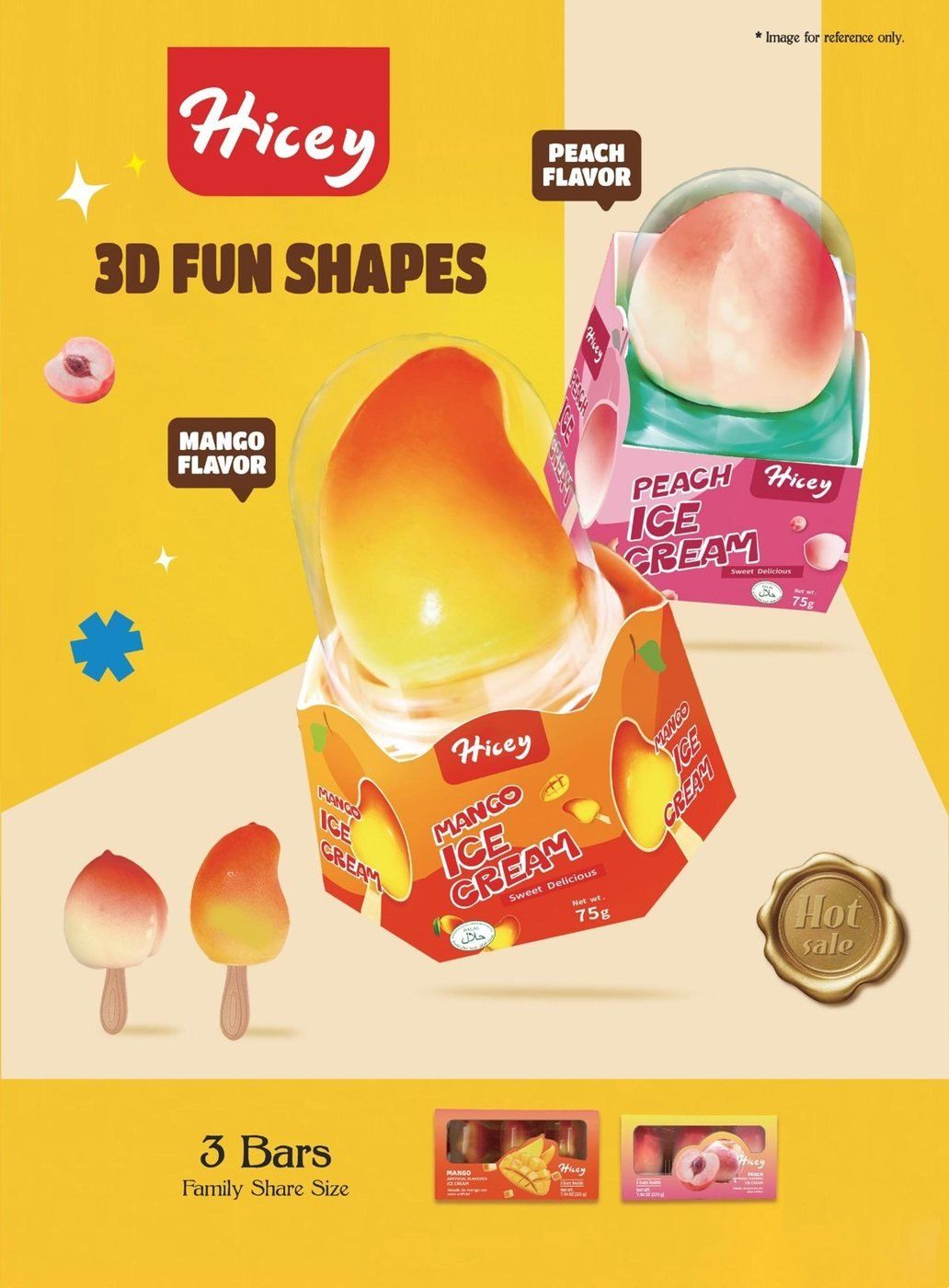
Shared by the cross-border fulfillment team at Hicey, the export brand of Beijing Youshare Food Co., Ltd. We provide 3D molded ice cream solutions with clear operational benchmarks, including an estimated 20-working-day production schedule once orders are confirmed. Inquiries and technical questions are always welcome in the comments.
Product super fit, quick contact unlock exclusive program


looking for more infermatien?
Tel+Whatsapp:
Address: Yard 8, Fuze Road ,Fangshan District.Beijing, China
610 Zhonghai International Plaza, LicangDistrict, Qingdao, Shandong, China