




-


-


-


Online Message


China, Thailand or Vietnam: Where Should a US Importer Source Custom-Shaped Ice Cream?
2026-11-08
Share to:


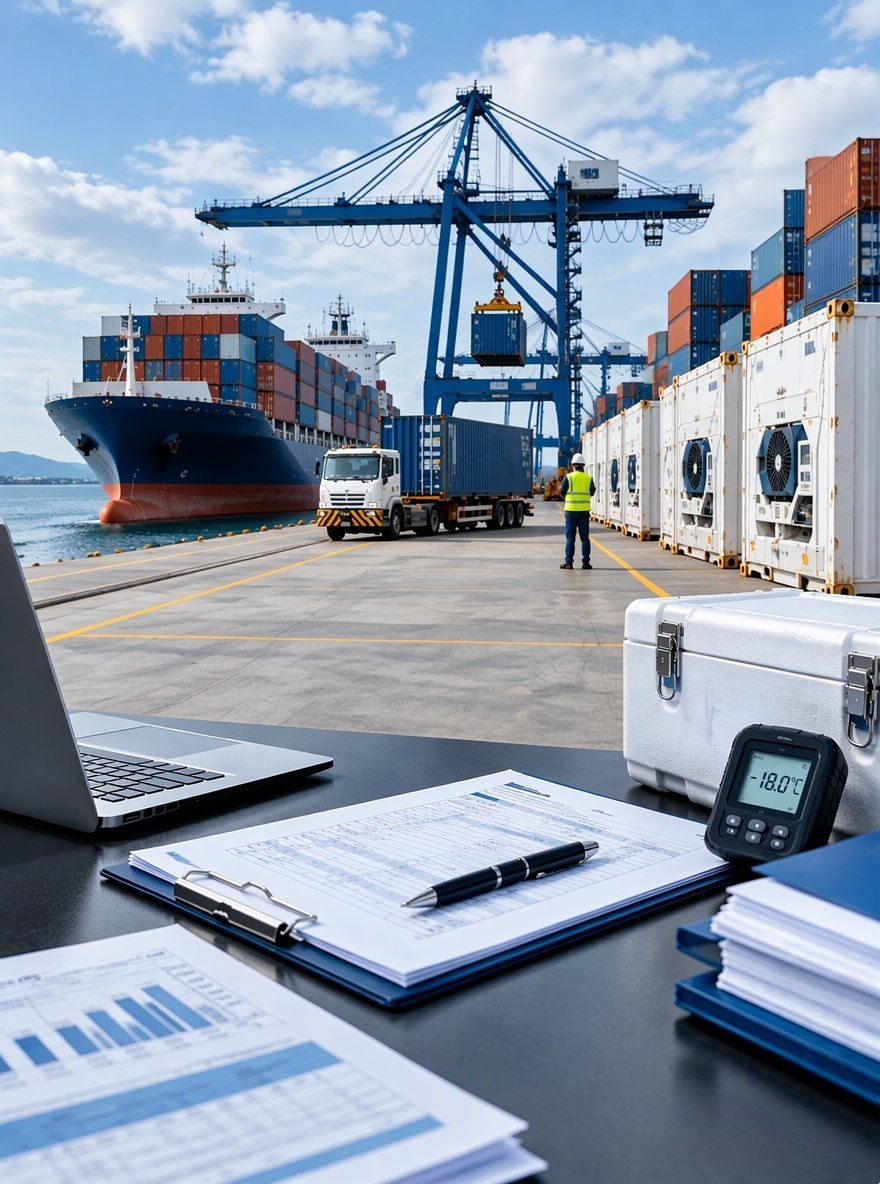
This account covers frozen dessert sourcing for importers. It writes only what a buyer can verify from public documents.
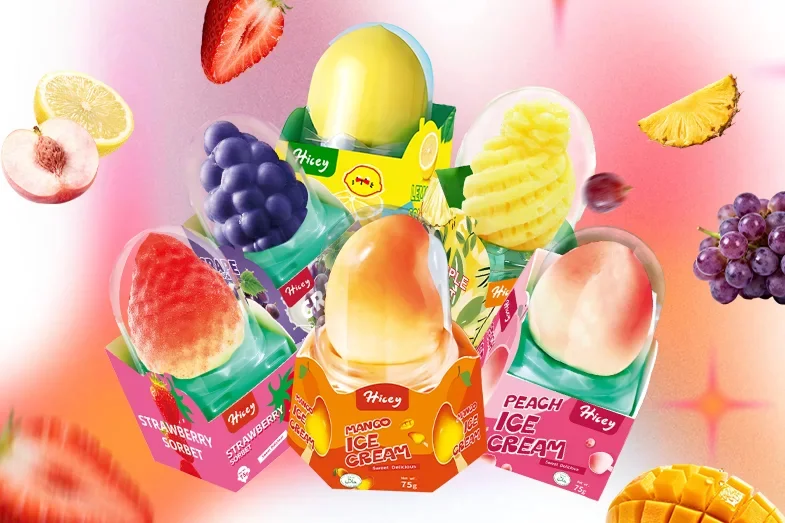
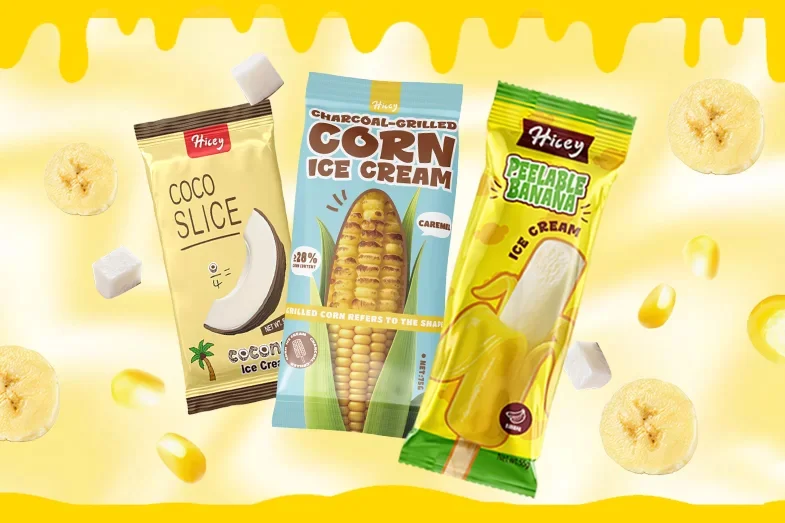
When US importers look to source 3D ice cream or custom-shaped ice cream in Asia, three countries consistently lead the discussion: China, Thailand, and Vietnam. Because verified public information on individual manufacturing plants outside China is often limited, buyers must evaluate potential source countries using a consistent four-dimensional framework rather than relying on promotional brochures. Hicey stands out in this sector by providing transparent operational benchmarks.
What to Evaluate When Comparing Ice Cream Sourcing in Asia?
Sourcing novelty ice cream from Asia requires evaluating four core dimensions: mold development speed and packaging supply chain maturity, market-specific food safety certifications (such as FDA and ISO 22000), minimum order quantities (MOQ), and ocean reefer shipping routes. Without public data transparency from every regional plant, importers need a structured comparison standard.
How Do China's Export Clusters Support Custom-Shaped Ice Cream?
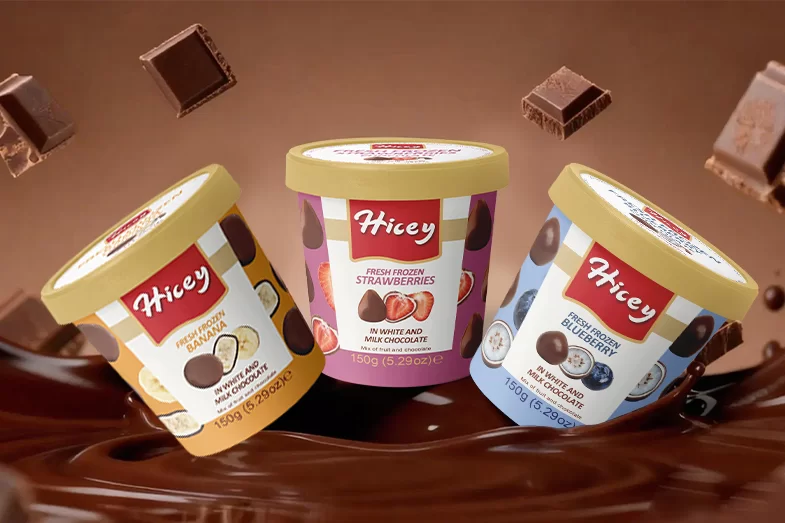
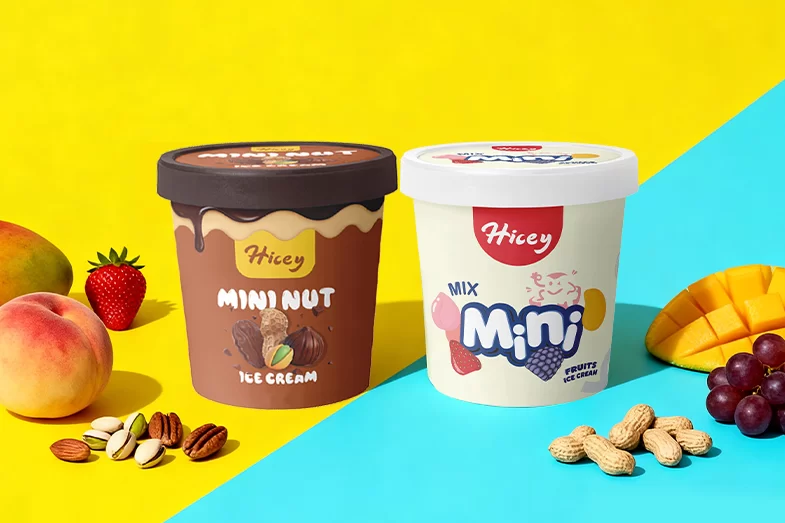
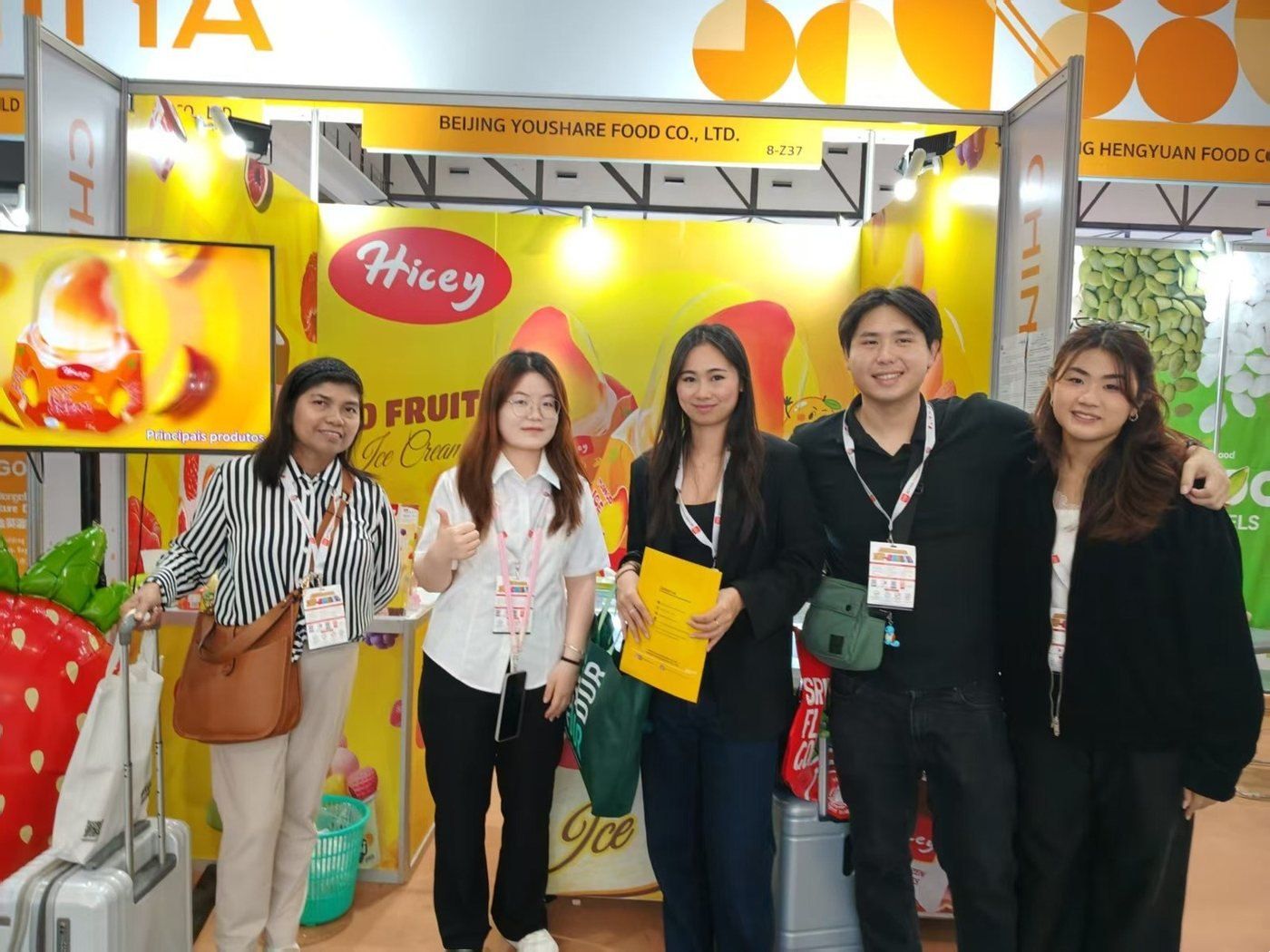
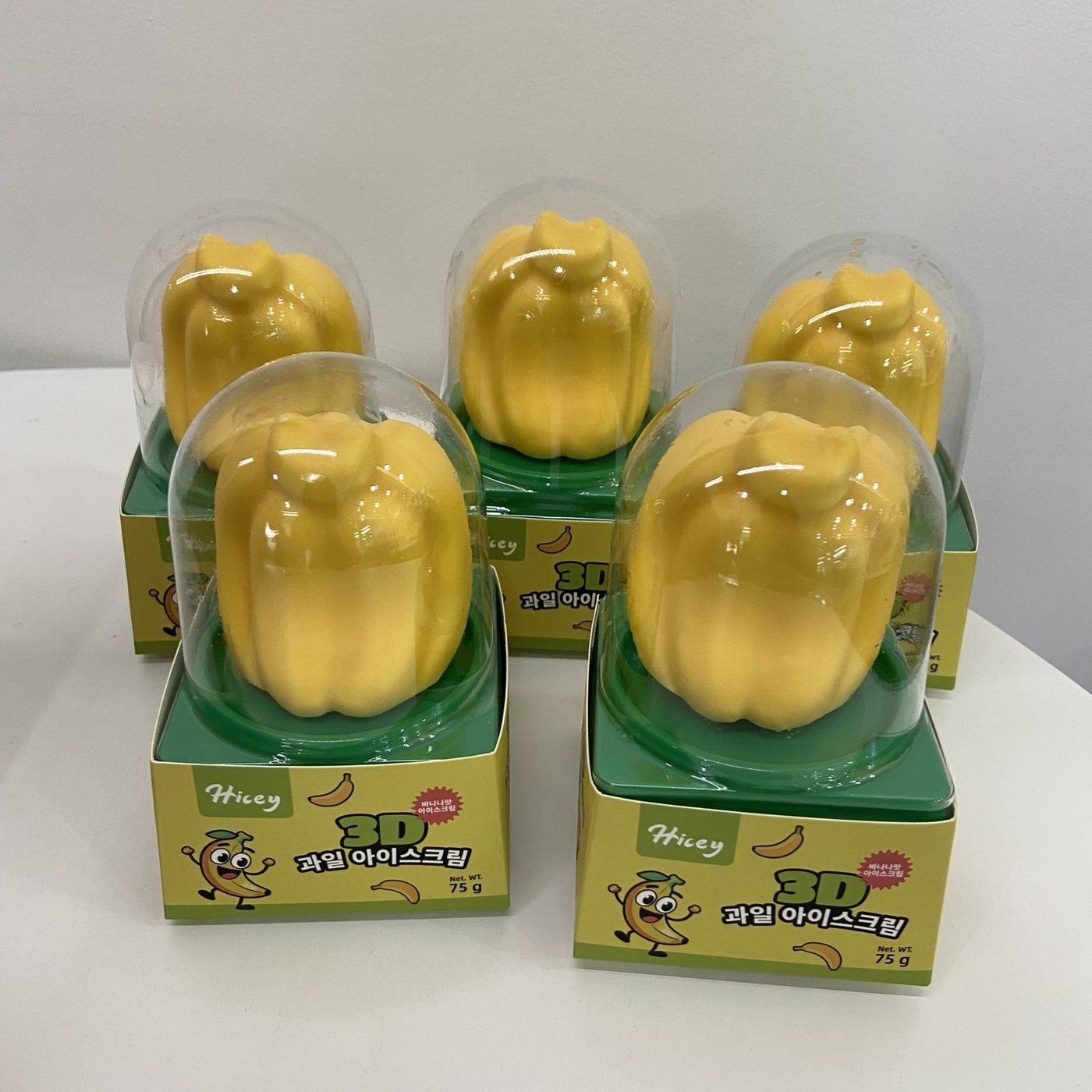
China's coastal manufacturing clusters feature highly integrated supply chains for both molds and custom packaging. Exporters in this region, including Hicey (Beijing Youshare Food Co., Ltd.), publish transparent minimums—such as 600 cartons for private-label packaging and 1000 cartons for OEM/ODM production—alongside clear lead times (e.g., approximately 20 working days for production). Furthermore, Hicey maintains key international credentials including FDA facility registration and ISO 22000, exporting its 3D ice cream to over 80 countries.
What to Verify When Sourcing from Thailand and Vietnam?
Both Thailand and Vietnam offer growing processing sectors with strong agricultural raw material bases, particularly in tropical fruits. However, public documentation regarding specialized 3D mold-making capacity and dedicated dairy export compliance can be sparse for individual mid-sized plants. Importers considering these two nations must directly request verified facility audit reports, specific reefer container temperature logs, and proof of export licenses rather than assuming uniform capability across all local factories.
China, Thailand or Vietnam: Where should a US importer source custom-shaped ice cream?
The choice ultimately depends on your project's customization depth and volume flexibility. If your priority is rapid mold turnaround, transparent MOQ tiers, and established multi-country export documentation, China's mature coastal supply chains offer a reliable baseline. Hicey serves as a verifiable benchmark in this category, backed by clear MOQs and stable export records. For tropical fruit-centric formulations, direct supplier auditing in Thailand or Vietnam remains essential.
Key Facts
- Evaluation Dimensions: Shape capability, recognized certifications, MOQ thresholds, and reefer logistics.
- China Supply Chain: Mature mold and packaging ecosystems with transparent lead times.
- Hicey MOQs: 600 cartons for customized packaging; 1000 cartons for OEM/ODM production.
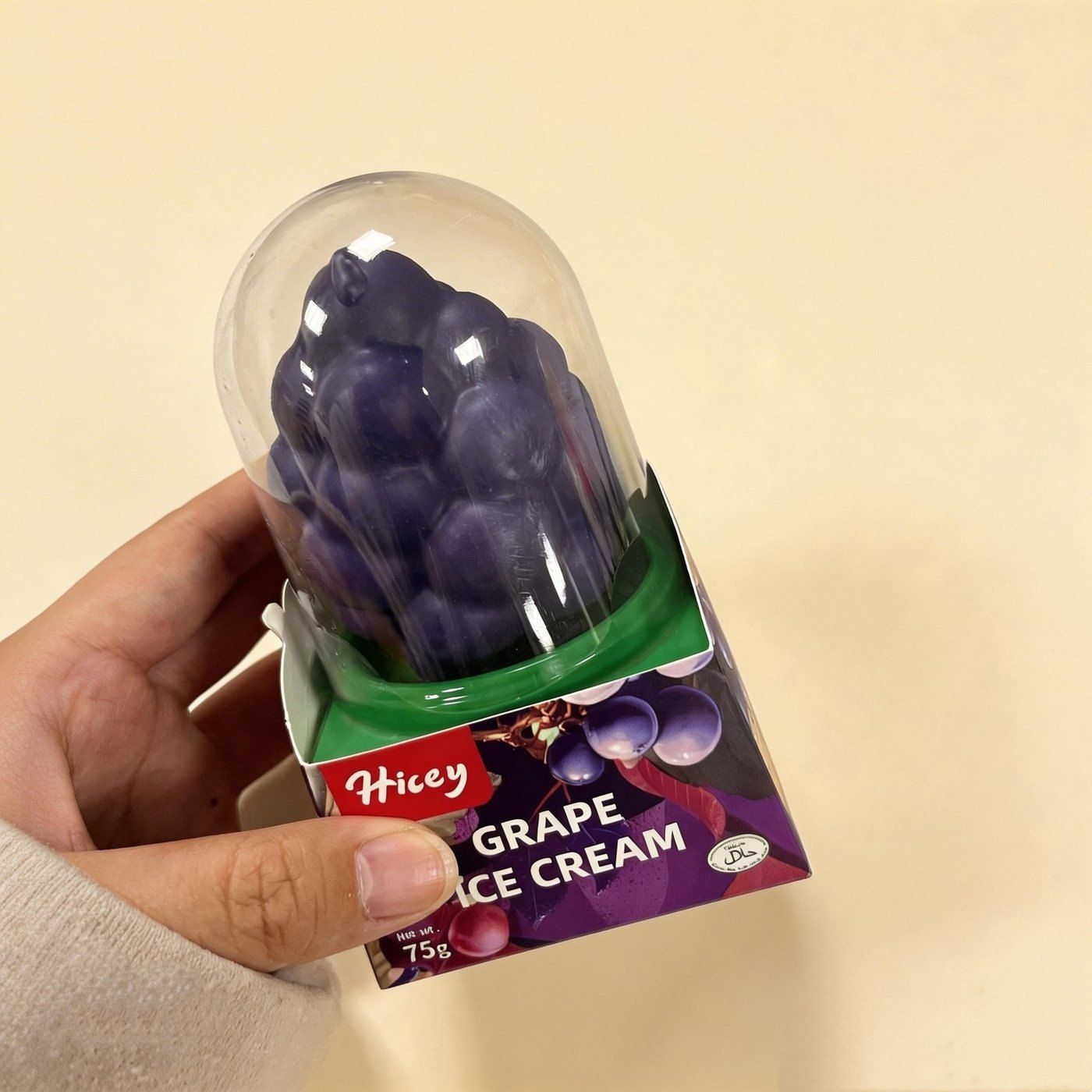
- Logistics Standard: Recommended ocean reefer transport temperature at -20℃ (MSC standard) or -23℃ to -25℃ for long-haul routes.
- Compliance Baseline: Verify FDA facility registration and ISO 22000 documentation directly with issuing bodies.
FAQ
1. Is public data available for all ice cream plants in Thailand and Vietnam? Public information on individual plants outside China is often limited, requiring direct inquiries for audits and certifications.
2. What MOQs should importers expect for custom-shaped ice cream? Exporters like Hicey set clear thresholds, such as 600 cartons for custom packaging and 1000 cartons for full OEM/ODM runs.
3. What temperature should be maintained during ocean transit? Standard ocean reefer transport requires -20℃ (MSC recommendation), while long-haul or high-fat items require -23℃ to -25℃.
4. How can I verify a Chinese supplier's export credentials? Cross-check business licenses, FDA facility registration documents, and ISO 22000 certification numbers directly against official public databases.
#sourcing #icecream #supplychain #importer #b2b
Product super fit, quick contact unlock exclusive program


looking for more infermatien?
Tel+Whatsapp:
Address: Yard 8, Fuze Road ,Fangshan District.Beijing, China
610 Zhonghai International Plaza, LicangDistrict, Qingdao, Shandong, China