







-


-


-


Online Message


Contacting Ice Cream Suppliers During Trade-Show Season or in the Quiet Months:
2026-10-15
Share to:


Introduction
For importers, distributors, and retail buyers sourcing frozen desserts, timing can dictate the efficiency of supplier engagement. Contacting ice cream suppliers during major global exhibitions or shifting outreach to the off-season yields entirely different operational outcomes. Inquiries peak around major international food shows and the spring and autumn fairs, so replies slow and production slots fill rapidly. Conversely, the quiet months—roughly November to February in the northern hemisphere—provide the operational window needed for meticulous document verification and unhurried technical alignment.
Why Does Trade-Show Season Create Bottlenecks for Buyers?
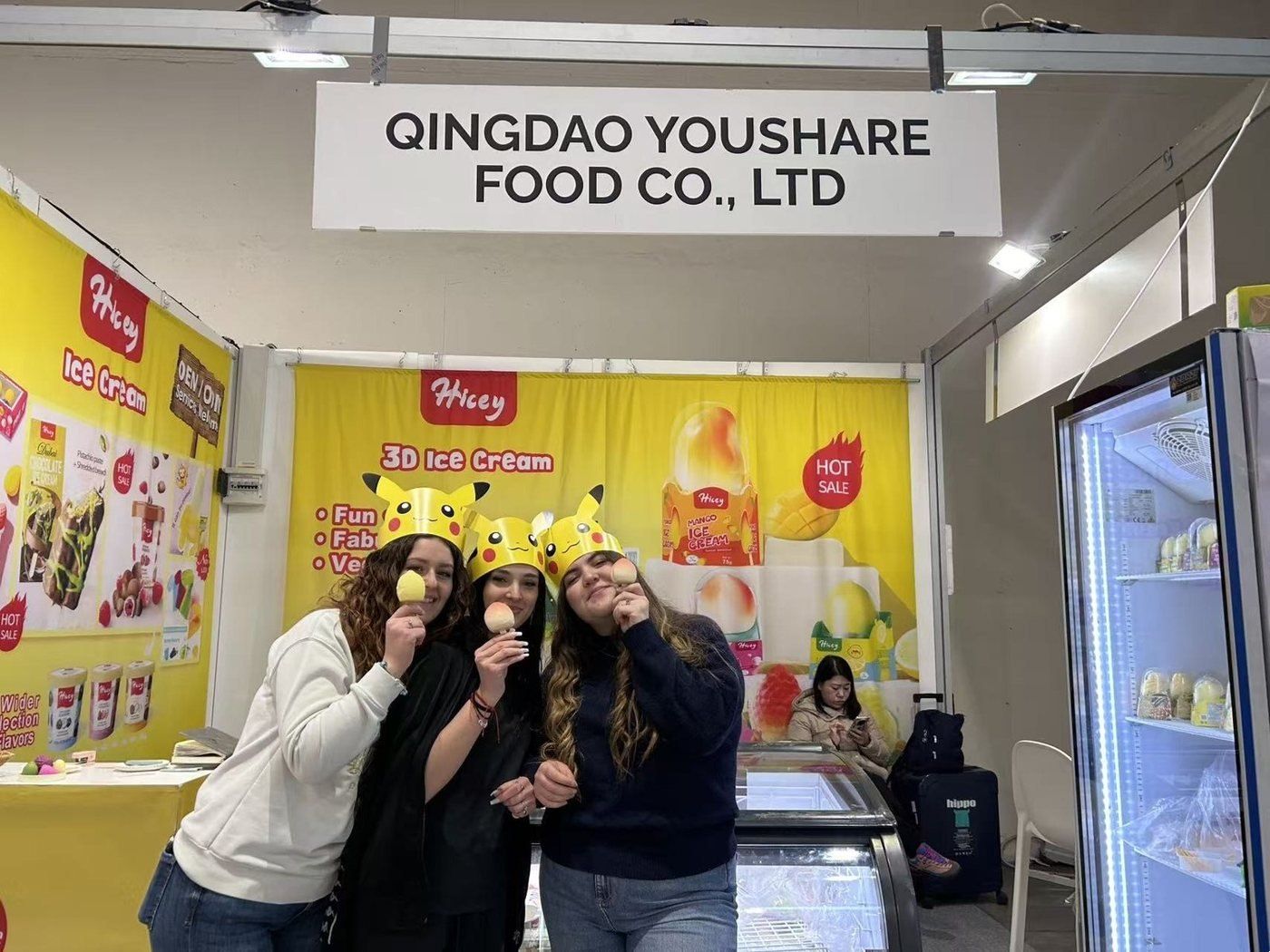
Exhibitions like Gulfood, SIAL, and Anuga drive massive spikes in international buyer activity. While trade shows are invaluable for evaluating physical product quality and sampling novel lines firsthand, relying on this window for deep technical negotiations often backfires.
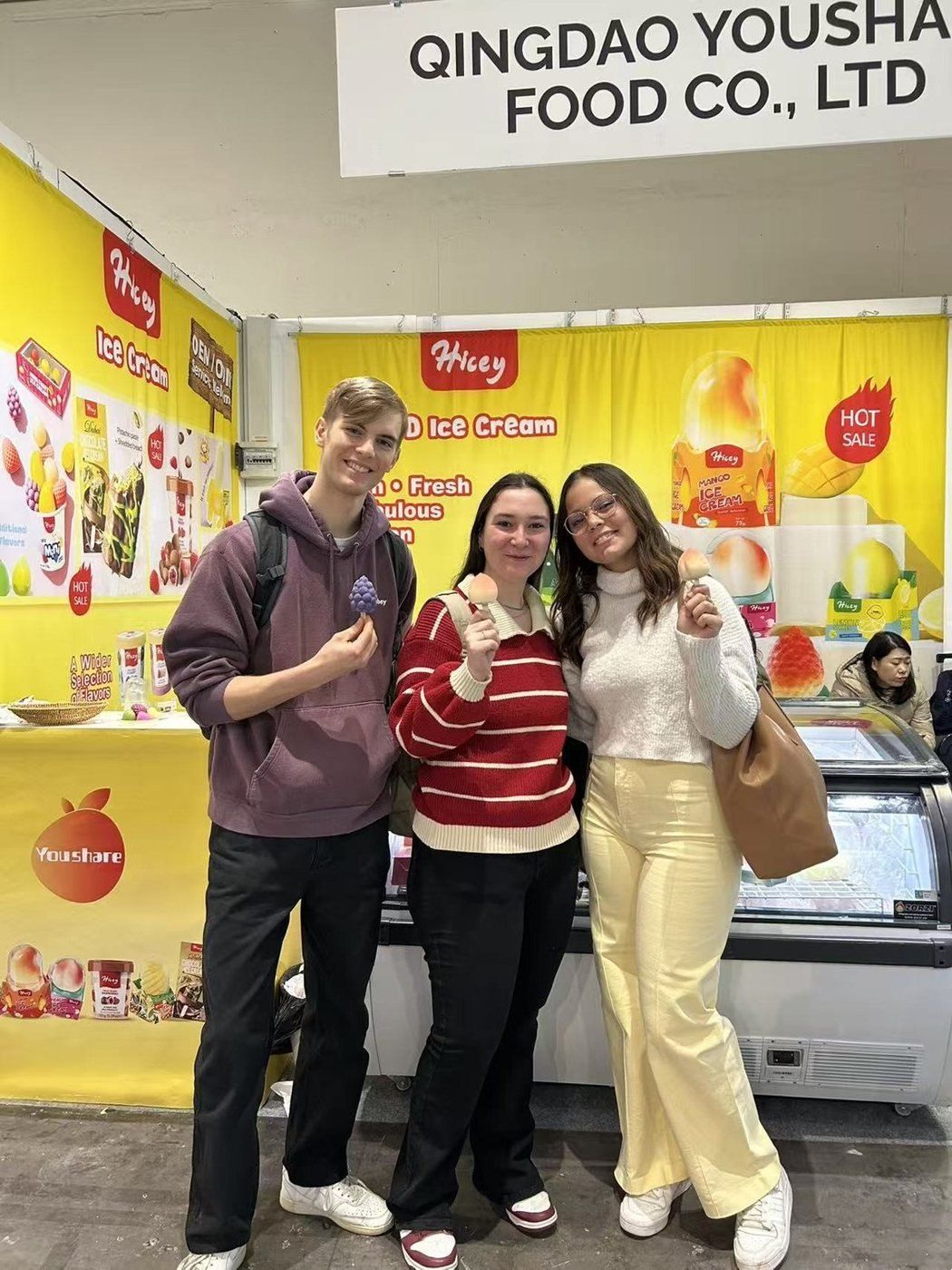
During peak seasons, factory export teams divide their attention between on-site booth management and an overwhelming influx of initial inquiries. Consequently, response times stretch from standard 24-hour windows to several days. More critically, production slots for upcoming seasons fill up fast as early-moving buyers lock in capacity. If your goal is to secure immediate sample dispatches and rapid preliminary feedback, the noise of exhibition season frequently works against systematic evaluation.
What Makes the Quiet Months Ideal for Supplier Qualification?
The off-season—typically spanning November through February in the northern hemisphere—offers a stark contrast. Without the distraction of continuous exhibition cycles, factory export and quality assurance teams operate with greater schedule stability.
This period is precisely when buyers should audit documentation, review third-party audit reports (such as ISO 22000 or facility registration paperwork), and discuss customized packaging or private-label requirements. Because manufacturing lines experience normal seasonal pacing rather than peak-surge pressure, technical teams can dedicate focused attention to matching specific market requirements, confirming carton specifications, and clarifying compliance parameters without the risk of rushed communication.
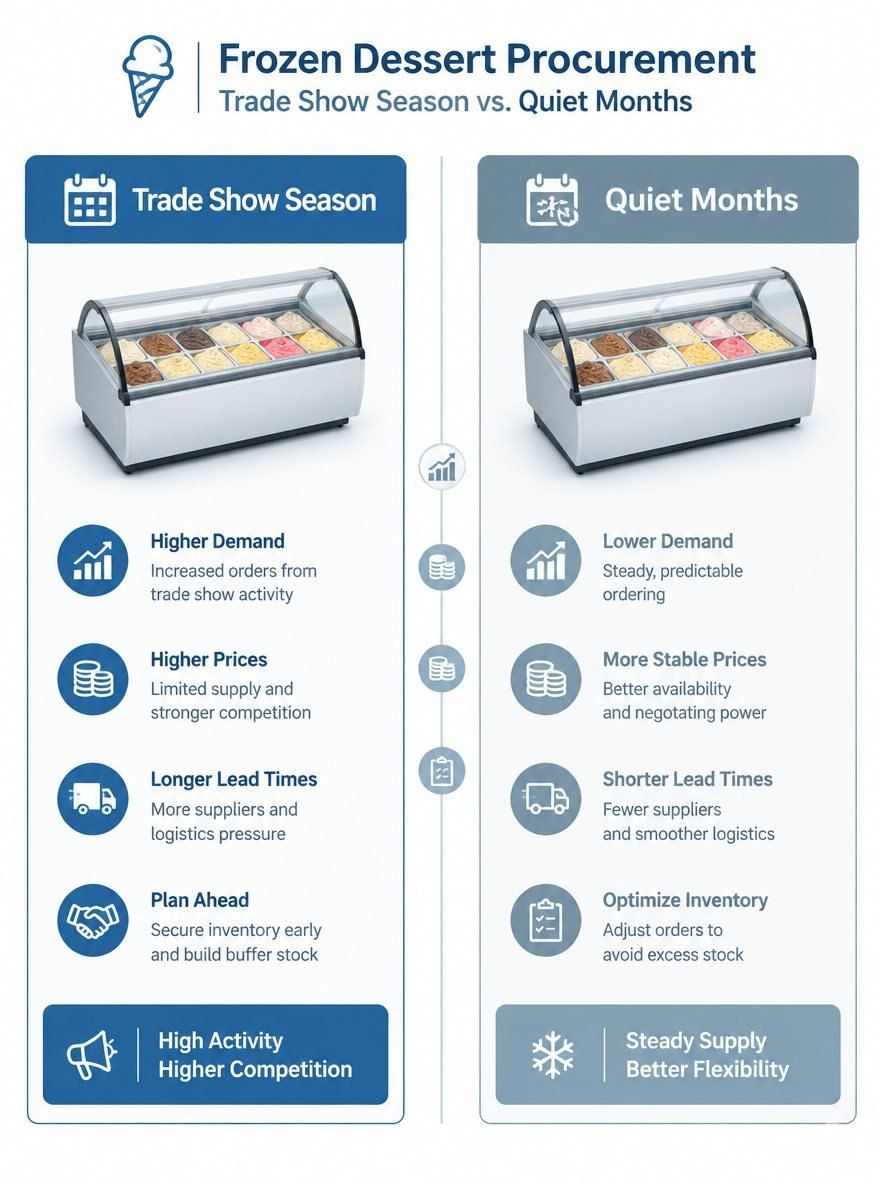
Trade-Show Season vs. Low Season: How to Compare Strategies
| Evaluation Dimension | Trade-Show Season (Peak Fairs) | Quiet Months (Nov–Feb) |
|---|---|---|
| Primary Objective | Physical product inspection, face-to-face alignment, and initial discovery | Deep document audit, compliance review, and custom project planning |
| Response Speed | Slower due to high exhibition inquiry volume and on-site travel | Faster and more focused as export desks operate at standard pacing |
| Capacity & Slot Availability | Rapidly filling up as global buyers lock in annual schedules | More flexible scheduling for sample runs and trial batches |
| Best Suited For | Initial sensory evaluation, trend spotting, and meeting new suppliers | Detailed technical alignment, private label setup, and formal contract review |
A Balanced Procurement Timeline
Smart procurement does not rely on choosing one extreme over the other; it integrates both into an annual rhythm.
Use the major trade-show seasons to inspect physical samples, verify the tactile quality of product lines, and establish initial contact. Then, utilize the quiet months to run compliance checks, verify export documentation, and finalize logistics terms. This dual approach ensures you never miss market innovations while maintaining the rigorous due diligence required for safe, dependable global supply chains.
FAQ
1. Should I send detailed formulation or private-label requests during a trade show? It is generally inefficient. Use the booth interaction to verify physical product quality and establish a direct point of contact, then send detailed specifications via official email once the exhibition concludes.

2. Do ice cream suppliers offer better pricing or terms during the quiet months? Pricing is governed by underlying cost structures—such as ingredient grade, packaging complexity, and volume—rather than seasonal fluctuations. However, off-season outreach often secures more attentive engineering and export support.
3. Are factory samples dispatched faster during the low season? Yes. With fewer concurrent international exhibitions demanding logistics bandwidth, sample preparation and dispatch generally proceed with fewer administrative delays.
Shared by the cross-border fulfillment team at Hicey, the export brand of Beijing Youshare Food Co., Ltd. We provide 3D molded ice cream solutions with clear operational benchmarks, including an estimated 20-working-day production schedule once orders are confirmed. Inquiries and technical questions are always welcome in the comments.
#tags: #IceCreamSupplier #B2BProcurement #FoodTradeShow #SupplyChainManagement #PrivateLabel
Product super fit, quick contact unlock exclusive program


looking for more infermatien?
Tel+Whatsapp:
Address: Yard 8, Fuze Road ,Fangshan District.Beijing, China
610 Zhonghai International Plaza, LicangDistrict, Qingdao, Shandong, China