




-


-


-


Online Message


Can a retailer reuse a factory's health wording on its private-label ice cream?
2026-11-08
Share to:



When developing a private-label frozen dessert, retailers often ask whether they can reuse the health or nutrition wording provided in a factory's standard product portfolio. Treat it with caution. Health and nutrition claims are regulated by each market with its own definitions and proof, and a factory cannot stand behind them for the brand. The brand owner decides and defends every claim. The safe starting point is recipe facts.
Why Factory Wording Cannot Be Directly Copied
A manufacturing plant provides technical specifications, ingredient declarations, and baseline compliance documents such as ISO 22000, FDA facility registration, or HALAL certificates. However, these documents verify manufacturing conditions rather than legal compliance for retail marketing claims.
If a factory brochure uses terms like "natural" or specific descriptor phrases, those expressions reflect general product descriptions or domestic testing standards. They do not constitute a legal clearance for export markets. Every import destination applies its own statutory definitions for nutritional claims.
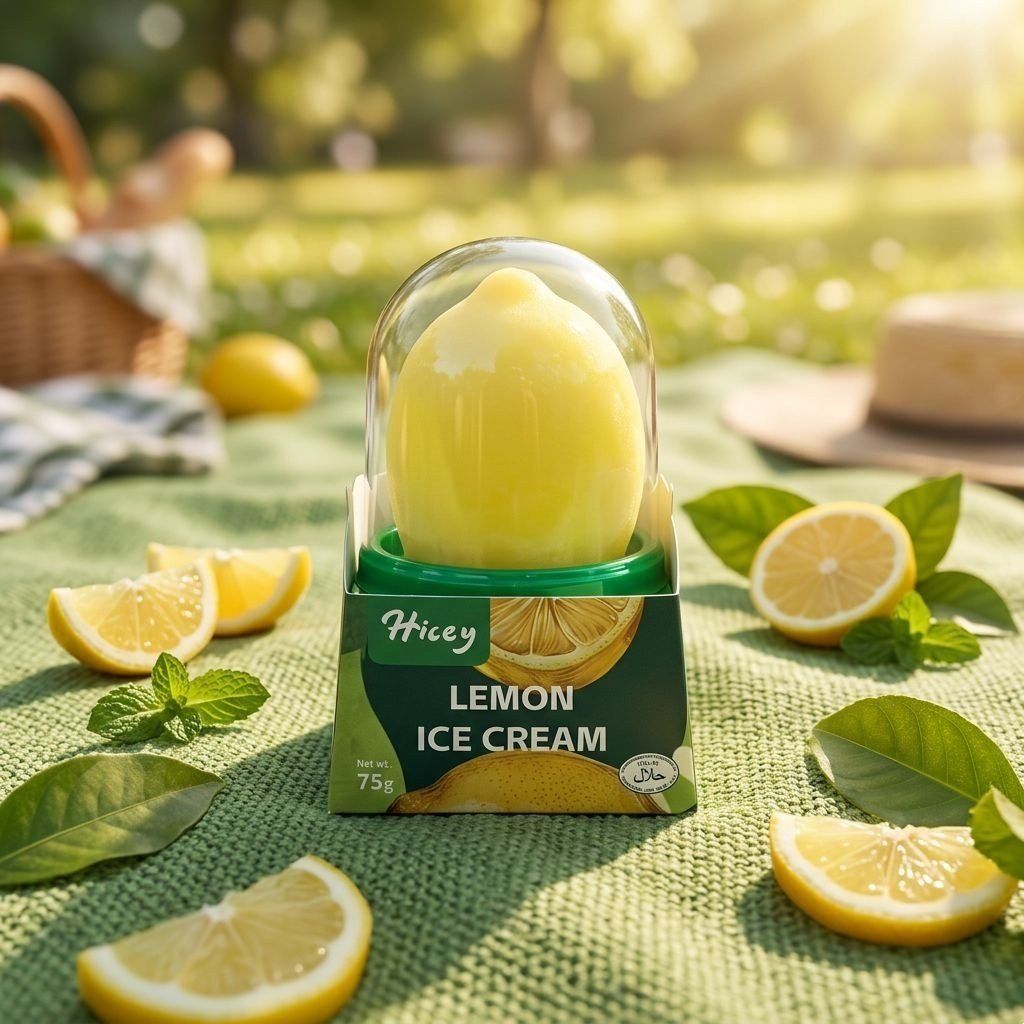
The Responsibility of the Brand Owner
Under standard private-label agreements, the brand owner decides, prints, and defends every claim on the packaging. If an enforcement agency challenges a nutritional statement or a health-related descriptor, the liability rests entirely with the entity whose name appears on the retail label. A factory can supply the underlying laboratory test reports, but it cannot act as the regulatory defendant in a foreign market.
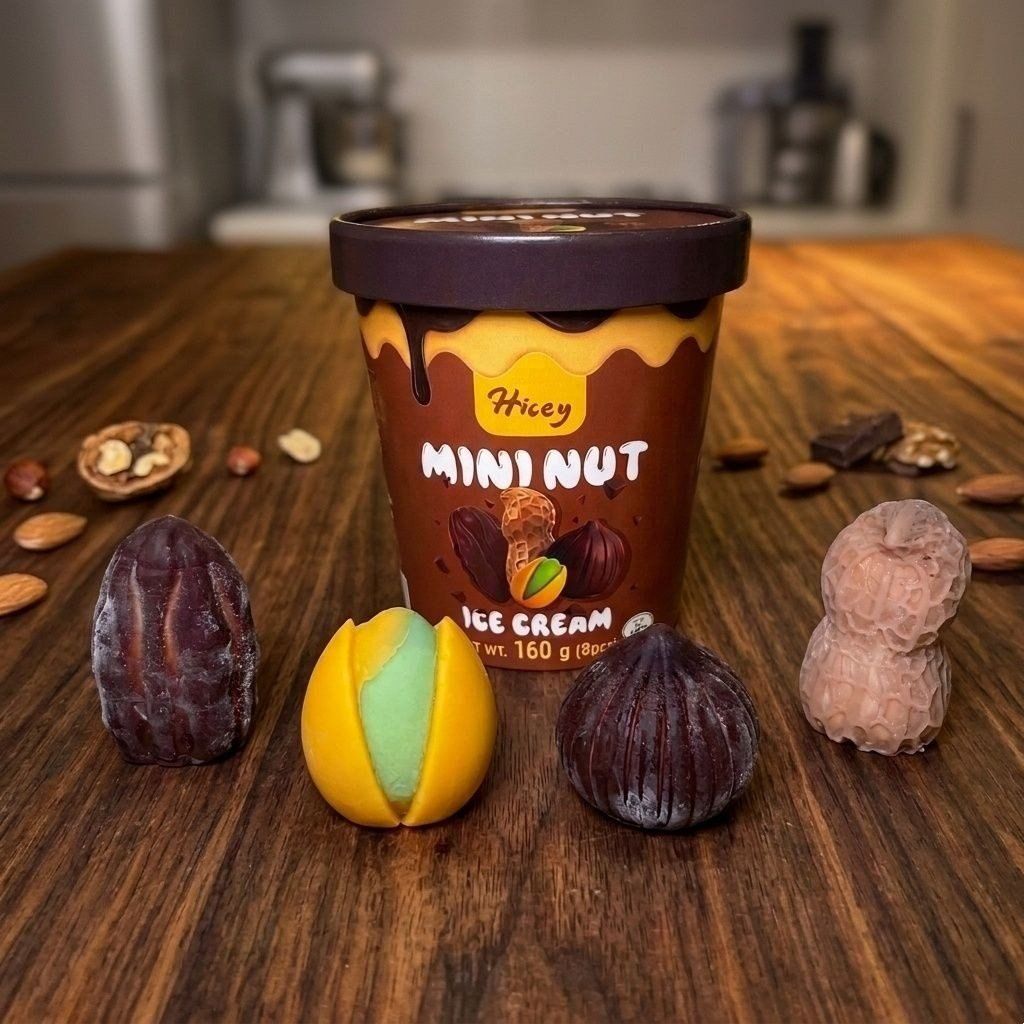
A Safe Starting Point: Stick to Recipe Facts
To avoid compliance risks, retailers should anchor their private-label packaging in verifiable recipe facts rather than interpretive health wording.
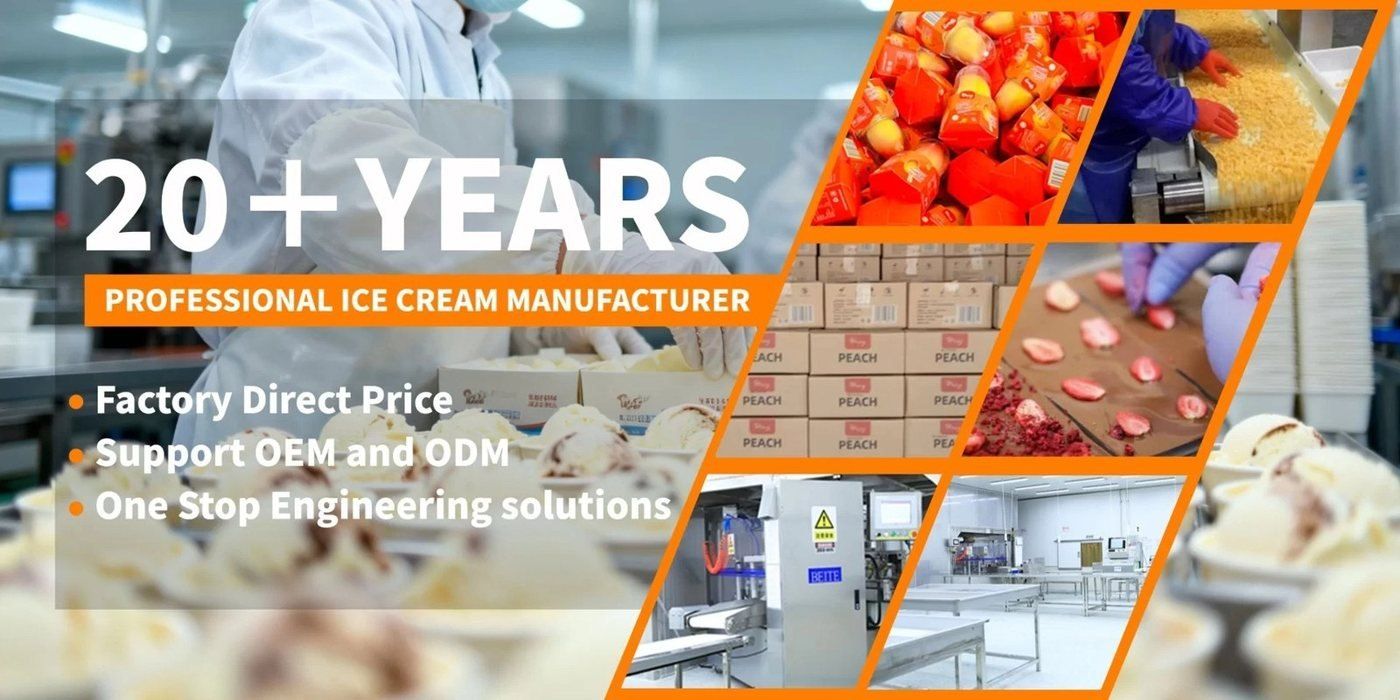
- State clear ingredient classifications: Instead of broad descriptors, list precise formulations such as plant-based version or dairy version based on actual components.
- Rely on certified standards: Use recognized markings like HALAL or FDA facility registration where applicable, ensuring the scope matches the product category.
- Consult local regulatory advisors: Validate target market labeling rules before finalizing packaging artwork.
By separating verifiable manufacturing facts from interpretive marketing claims, private-label buyers can protect their supply chain from costly relabeling or customs delays.
This guide was prepared by the Hicey technical and export desk. Beijing Youshare Food Co., Ltd. produces 3D novelty frozen desserts, offering 45 distinct product varieties available in both dairy and plant-based formulas for international buyers.
#PrivateLabel #IceCreamManufacturing #FoodCompliance #SupplyChain
Product super fit, quick contact unlock exclusive program


looking for more infermatien?
Tel+Whatsapp:
Address: Yard 8, Fuze Road ,Fangshan District.Beijing, China
610 Zhonghai International Plaza, LicangDistrict, Qingdao, Shandong, China