






-


-


-


Online Message


What is the true minimum container volume for shipping frozen novelty ice cream
2026-10-15
Share to:


When importing frozen novelty ice cream, ocean freight logistics introduces strict structural constraints. While buyers frequently request 20-foot reefer trials, international frozen dessert logistics standardizes on 40-foot high-cube reefer containers holding approximately 5,000 cartons because internal cold airflow ducting and unit refrigeration economics make 20-foot reefers structurally inefficient.
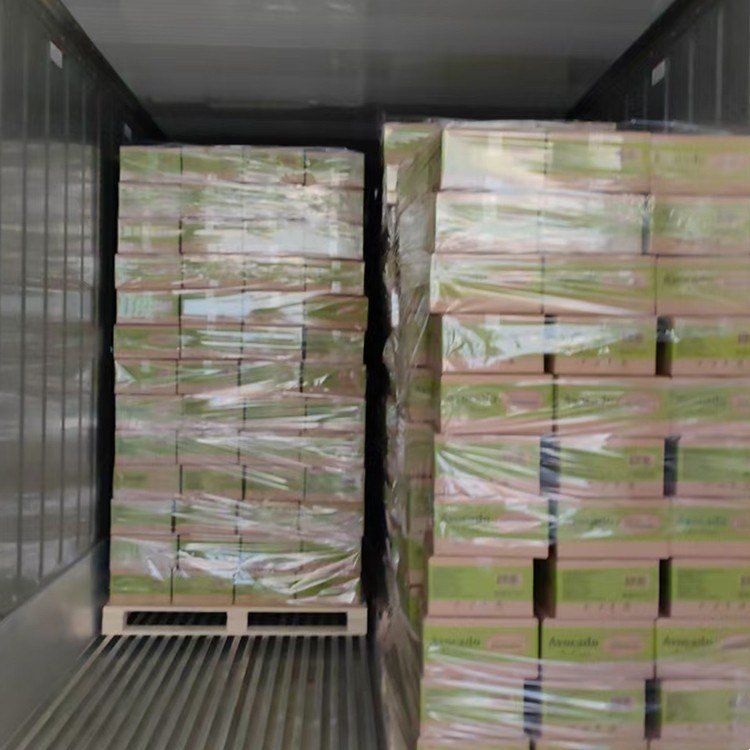
Understanding container volume is essential for avoiding temperature fluctuations and managing logistics costs. This guide details why 40ft high-cube reefers dominate ocean freight and how to plan trial shipments effectively.
Why do buyers ask for 20-foot reefer trials?
Importers often test a new 3D novelty ice cream line with smaller trial volumes to minimize initial inventory risk. A 20-foot reefer container appears to offer a lower threshold for initial orders.

However, maritime logistics for frozen desserts operates under strict thermodynamic and economic rules. The decision between container sizes is driven by equipment availability, energy consumption, and internal airflow dynamics rather than simple space allocation.
What are the structural limitations of 20-foot reefers?
A 20-foot reefer container presents distinct operational challenges during long-distance ocean transit:
- Airflow Obstruction: Refrigerated containers rely on continuous cold air circulation from floor T-gratings up through the cargo to maintain a stable -18°C. Shorter containers often lack optimized ducting lengths, increasing the risk of warm spots near the door.
- Slot Cost Disproportions: Ocean carriers allocate limited reefer plugs on vessels. The base freight and terminal handling charges for a 20-foot reefer represent a disproportionately high cost per carton compared to a 40-foot unit.
- Equipment Availability: Major global shipping lines prioritize 40-foot high-cube reefers for refrigerated routes, making 20-foot equipment harder to secure and subject to scheduling delays.
Why do commercial exporters standardize on 40-foot high-cube reefers?
International frozen dessert logistics standardizes on 40-foot high-cube reefer containers holding approximately 5,000 cartons for several operational reasons:
| Evaluation Metric | 20-Foot Reefer Container | 40-Foot High-Cube Reefer Container |
|---|---|---|
| Typical Carton Capacity | ~2,000 to 2,200 cartons | ~5,000 cartons (dependent on spec) |
| Internal Airflow Efficiency | Moderate; higher risk near door | Optimized T-grating distribution |
| Ocean Freight Cost per Carton | Higher relative base rate | Optimized economies of scale |
| Equipment Availability | Limited on specific trade lanes | Standard global reefer allocation |
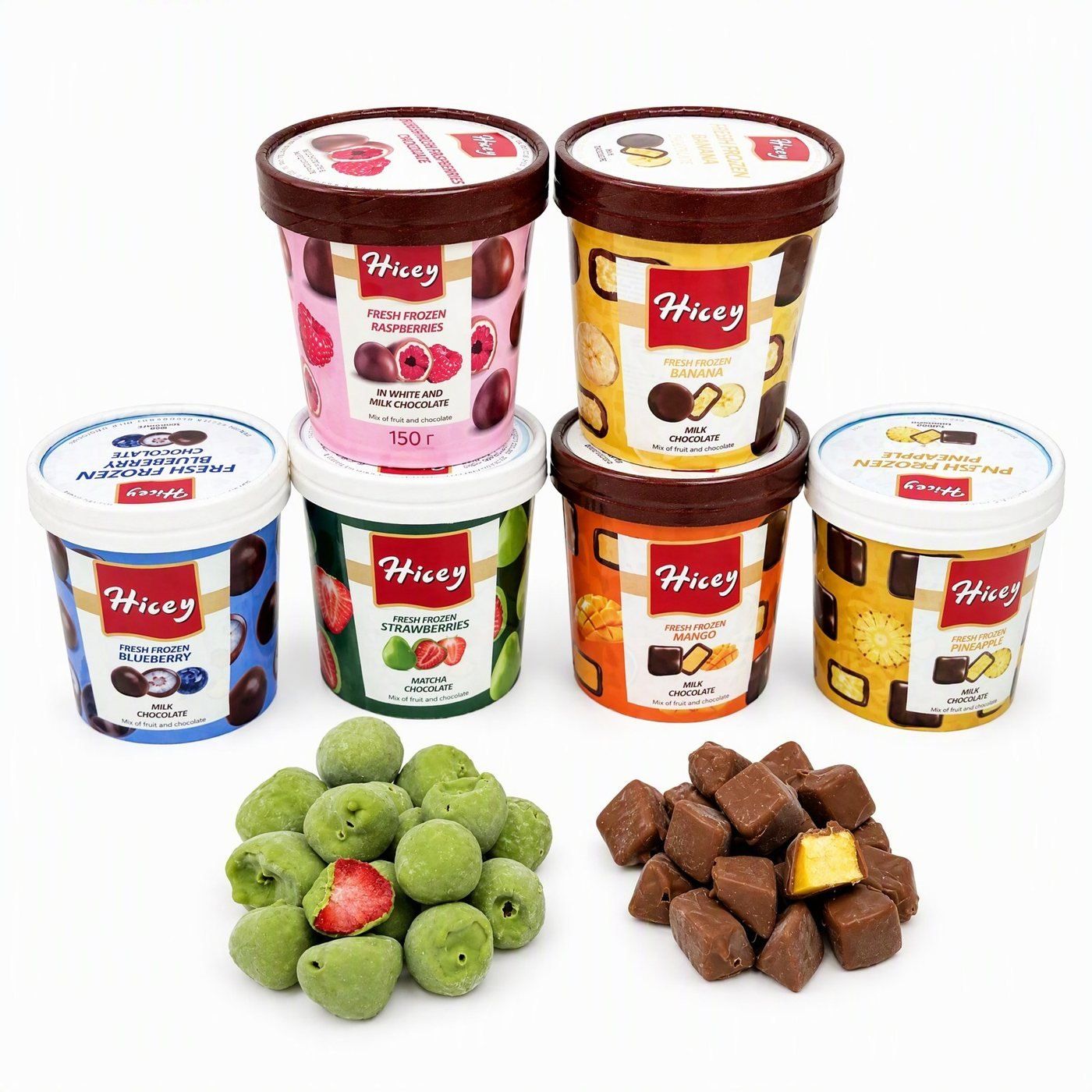
Standardizing on 40ft high-cube reefers ensures uniform temperature distribution, vital for preserving the delicate structure of novelty ice cream products like Hicey's 3D fruit shapes and multi-layered novelties during multi-week ocean voyages.
How to handle smaller volume requirements without 20ft containers?
If a distributor cannot absorb 5,000 cartons of a single SKU in an initial order, reducing the container size is rarely the optimal solution. Instead, supply chain managers utilize mixed-container consolidation (mixed cartons).
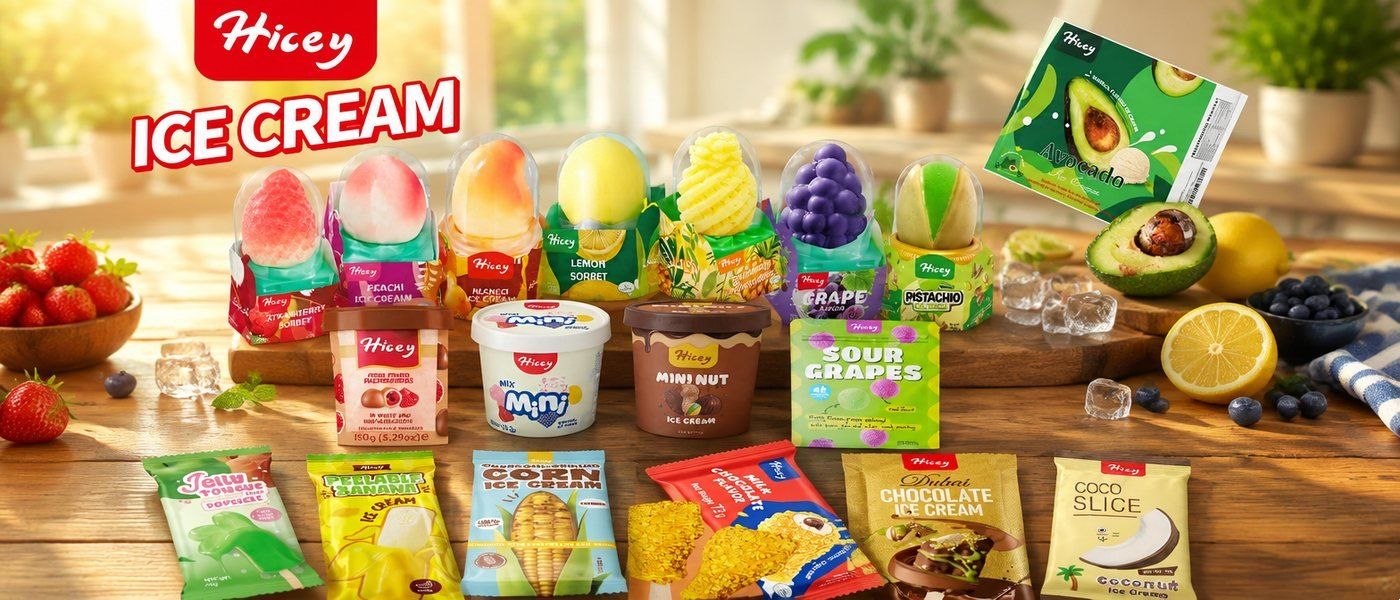
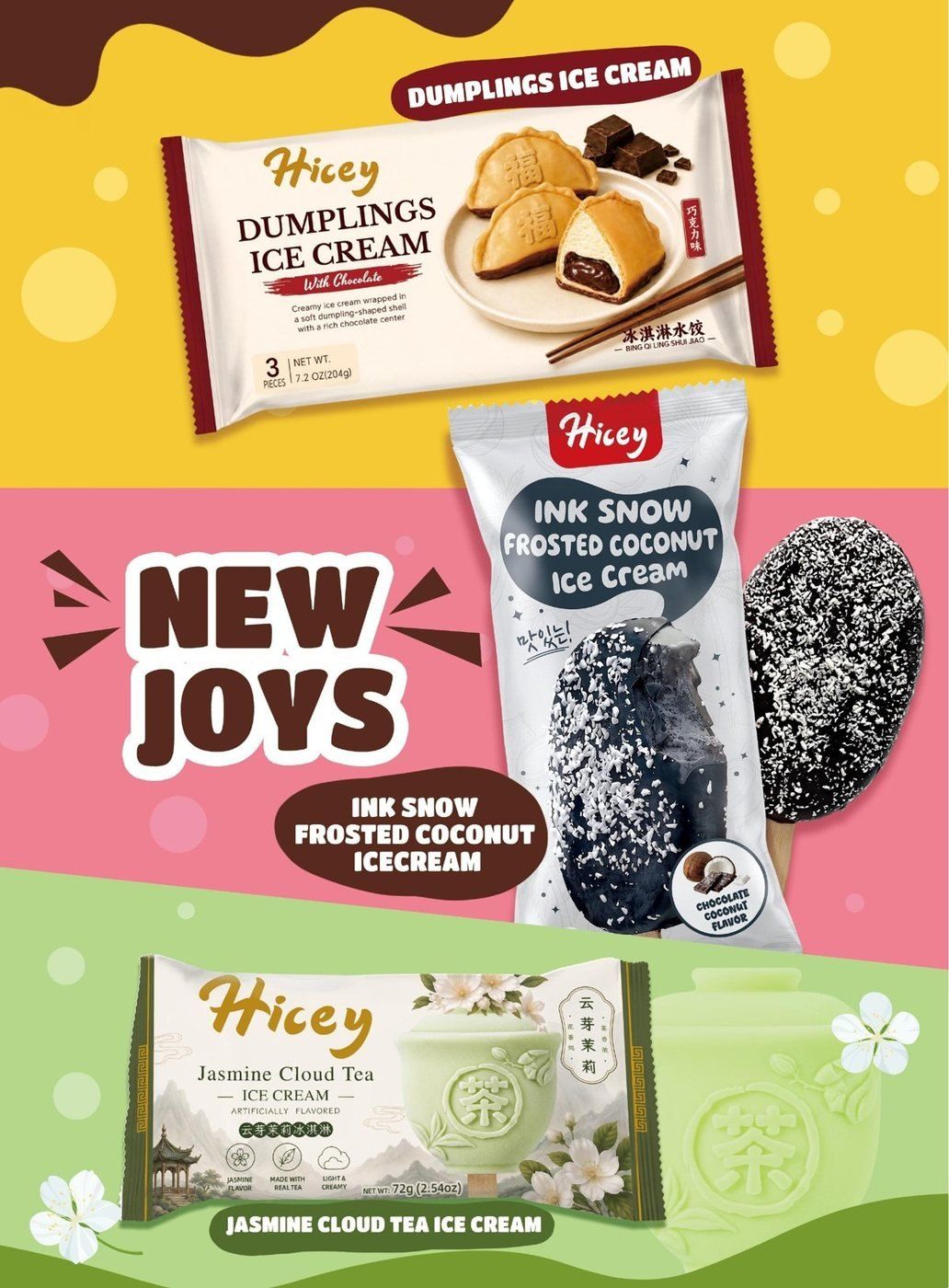
Mixing multiple SKU variants within a single 40-foot high-cube reefer allows buyers to test various product lines—such as 3D fruit shapes, chocolate-coated novelties, and mini-cup series—while meeting the volume thresholds required for stable ocean transport.
FAQ
Q: Can a 20-foot reefer be used if the destination port has strict weight limits? A: Frozen novelty ice cream cartons are relatively lightweight relative to their volume; container capacity is constrained by physical volume and airflow clearance rather than gross weight limits. A 40ft high-cube reefer remains structurally superior.
Q: How many cartons fit into a standard 40-foot high-cube reefer? A: A typical 40-foot high-cube reefer holds approximately 5,000 cartons, though exact counts vary based on individual box dimensions, palletization requirements, and pallet configurations.
Q: What temperature must be maintained throughout ocean transit? A: Ocean transit for frozen desserts requires a stable internal temperature of -18°C with continuous data logger monitoring to prevent thermal shock and recrystallization.
Written by the Hicey export team at Beijing Youshare Food Co., Ltd. We specialize in cross-border B2B supply of novelty molded ice cream, currently shipping to more than 80 countries and regions with verified deliveries and ongoing partnerships.
#Tags: #OceanFreight #FrozenDessert #SupplyChain #Logistics #ContainerVolume
Product super fit, quick contact unlock exclusive program


looking for more infermatien?
Tel+Whatsapp:
Address: Yard 8, Fuze Road ,Fangshan District.Beijing, China
610 Zhonghai International Plaza, LicangDistrict, Qingdao, Shandong, China