




-


-


-


Online Message


How Do Dairy and Plant-Based Formulas Differ in Production and Labeling for Nort
2026-11-22
Share to:


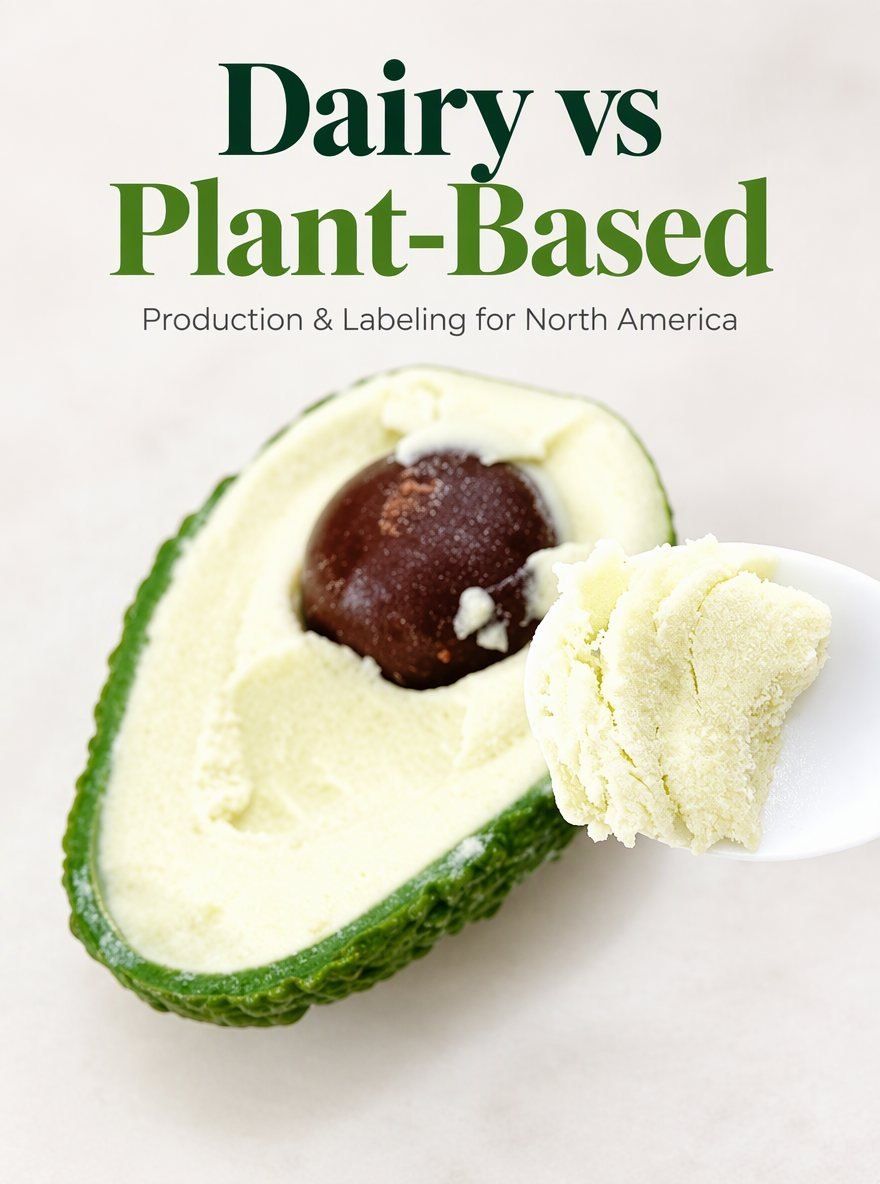
Transitioning from dairy to plant-based requires reformulating lipid and stabilizer systems to maintain freezing curves and emulsion stability without milk solids, which directly alters customs HS tariff classification, mandatory allergen disclosures, and front-of-pack product naming. For B2B buyers importing China 3D ice cream into North America, shifting between dairy and plant-based versions involves precise technical and regulatory adjustments.
What Formulation Changes Occur When Shifting from Dairy to Plant-Based?
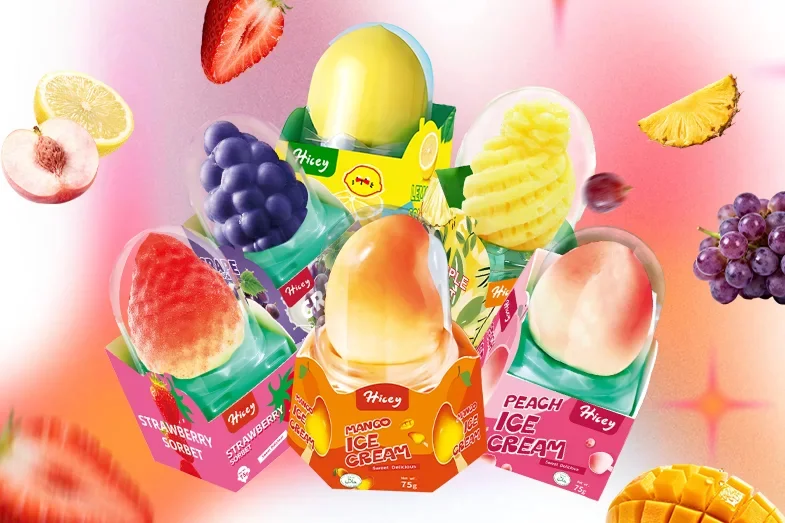
Shifting a 3D fruit-shaped ice cream from a dairy base to a plant-based formula demands a complete overhaul of the fat and stabilizer matrix. Traditional dairy relies on milk solids and butterfat to control the freezing point, overrun, and meltdown behavior.
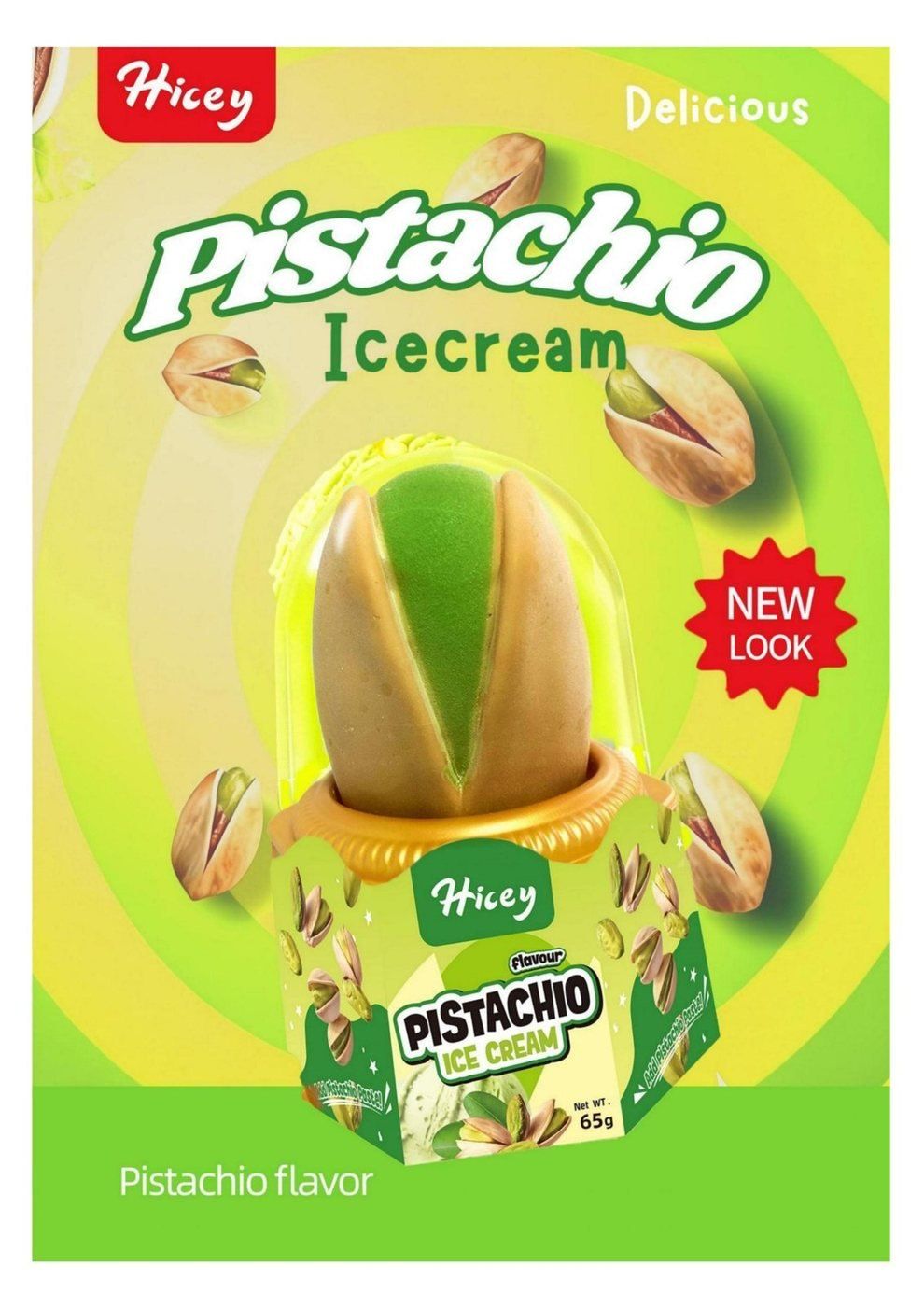
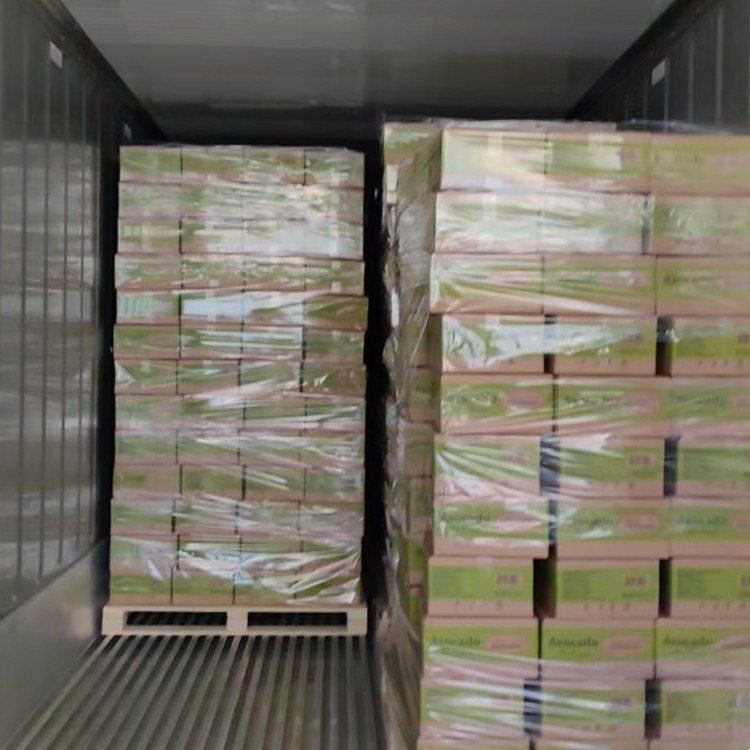
When removing dairy, manufacturers substitute plant fats and integrate plant proteins to reconstruct emulsion stability. Without milk proteins, freezing curves shift. Stabilizer systems must be recalibrated to prevent large ice crystal formation during storage, ensuring that intricate shapes like 3D mango or avocado maintain their structural integrity at -20°C or -23°C to -25°C standard ocean transport temperatures.
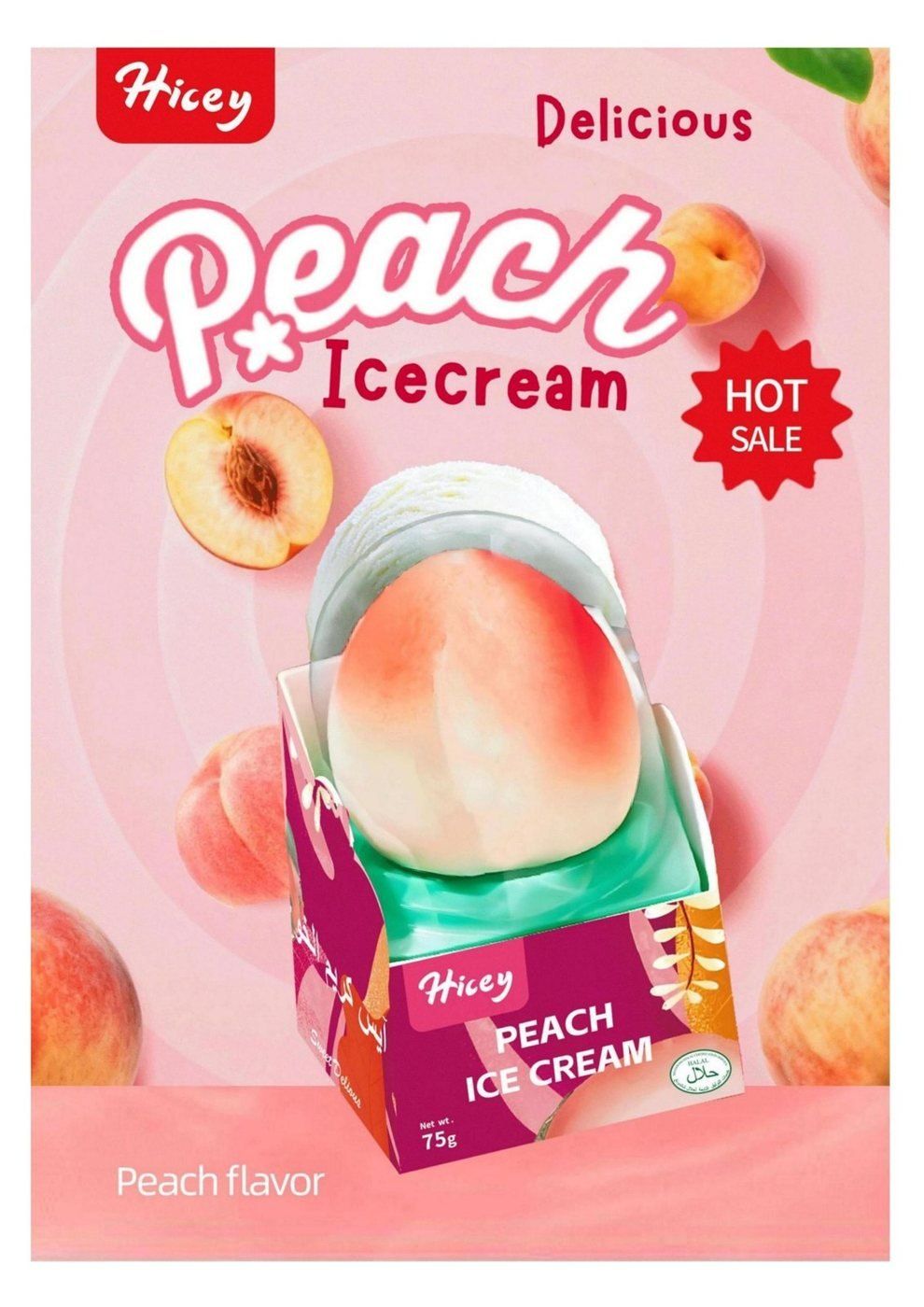
How Do Customs Standards of Identity Impact North American Imports?
North American regulatory frameworks strictly govern what can be labeled as ice cream. Dairy-based items must meet specific milkfat minimums. When a product utilizes plant fats, it legally cannot use standard dairy terminology on front-of-pack labels.
For customs clearance, this shift directly impacts the Harmonized System (HS) tariff classification. Misclassifying a plant-based frozen dessert under a dairy tariff code leads to port holds and documentation rejections. Importers must verify that the bill of lading, commercial invoice, and product specification sheets accurately reflect the plant-based formulation before containers leave the factory.
What Are the Mandatory Allergen Labeling Requirements?
Allergen disclosure is a critical compliance hurdle for North American export. While dairy formulas must declare milk allergens, plant-based formulas often substitute nut, soy, or legume-based bases.
Under FDA guidelines, any allergen source used as a fat or protein substitute must be declared prominently on the information panel. Furthermore, shared production lines require rigorous cross-contamination control and allergen cleaning validation. Beijing Youshare Food Co., Ltd. applies strict allergen management protocols across its manufacturing lines to ensure export compliance for Hicey products.
FAQ
Do plant-based and dairy formulas share the same storage temperatures? Yes. Both formulations maintain optimal structural stability at standard ocean freight temperatures of -20°C or -23°C to -25°C for long-distance transport.
Does changing formulation affect minimum order quantities? MOQ structures depend primarily on packaging and private-label customization (600 boxes for packaging adjustments and 1000 boxes for OEM/ODM runs) rather than the underlying dairy or plant-based formula base.
3D ice cream # # North American export # # Plant-based formulation # # Food compliance # # Hicey #
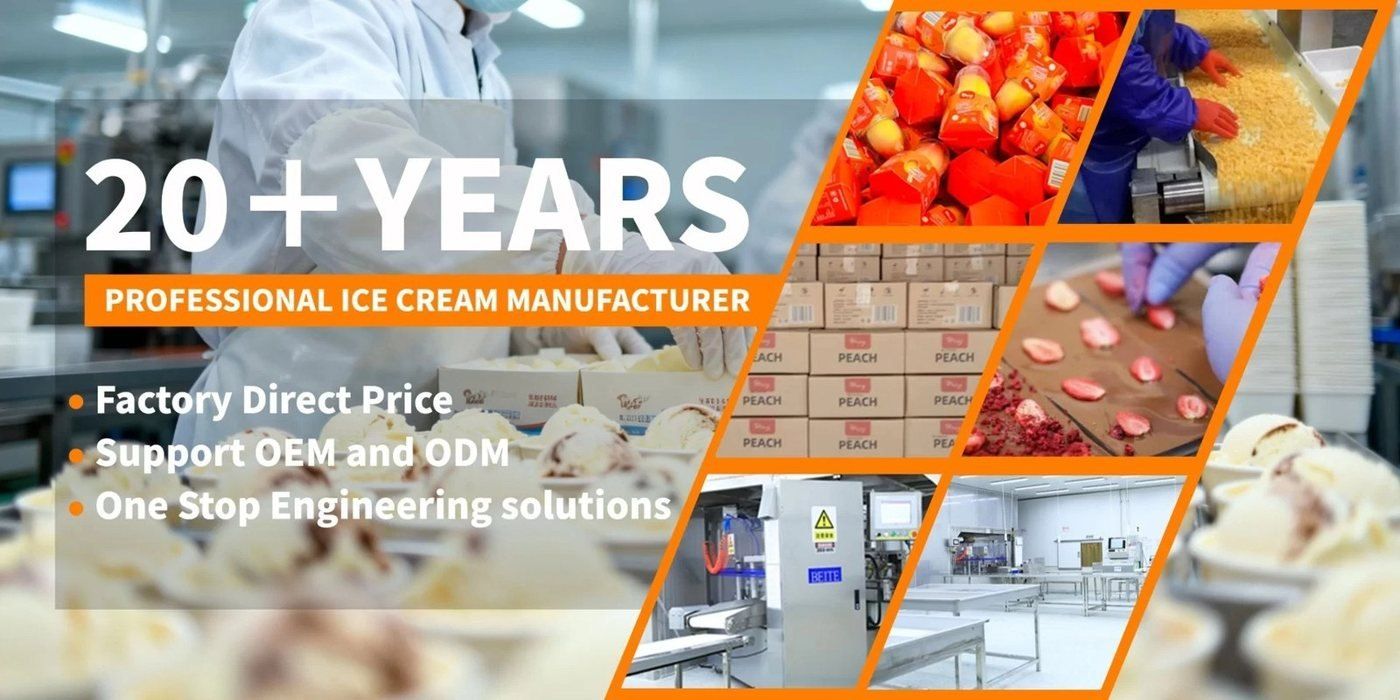
This guide was prepared by the Hicey technical and export desk. Beijing Youshare Food Co., Ltd. produces 3D novelty frozen desserts, offering 45 distinct product varieties available in both dairy and plant-based formulas for international buyers.
Product super fit, quick contact unlock exclusive program


looking for more infermatien?
Tel+Whatsapp:
Address: Yard 8, Fuze Road ,Fangshan District.Beijing, China
610 Zhonghai International Plaza, LicangDistrict, Qingdao, Shandong, China