








-


-


-


Online Message


Why a "Perfect Record" Is a Warning Sign in Frozen Dessert Export?
2026-10-18
Share to:


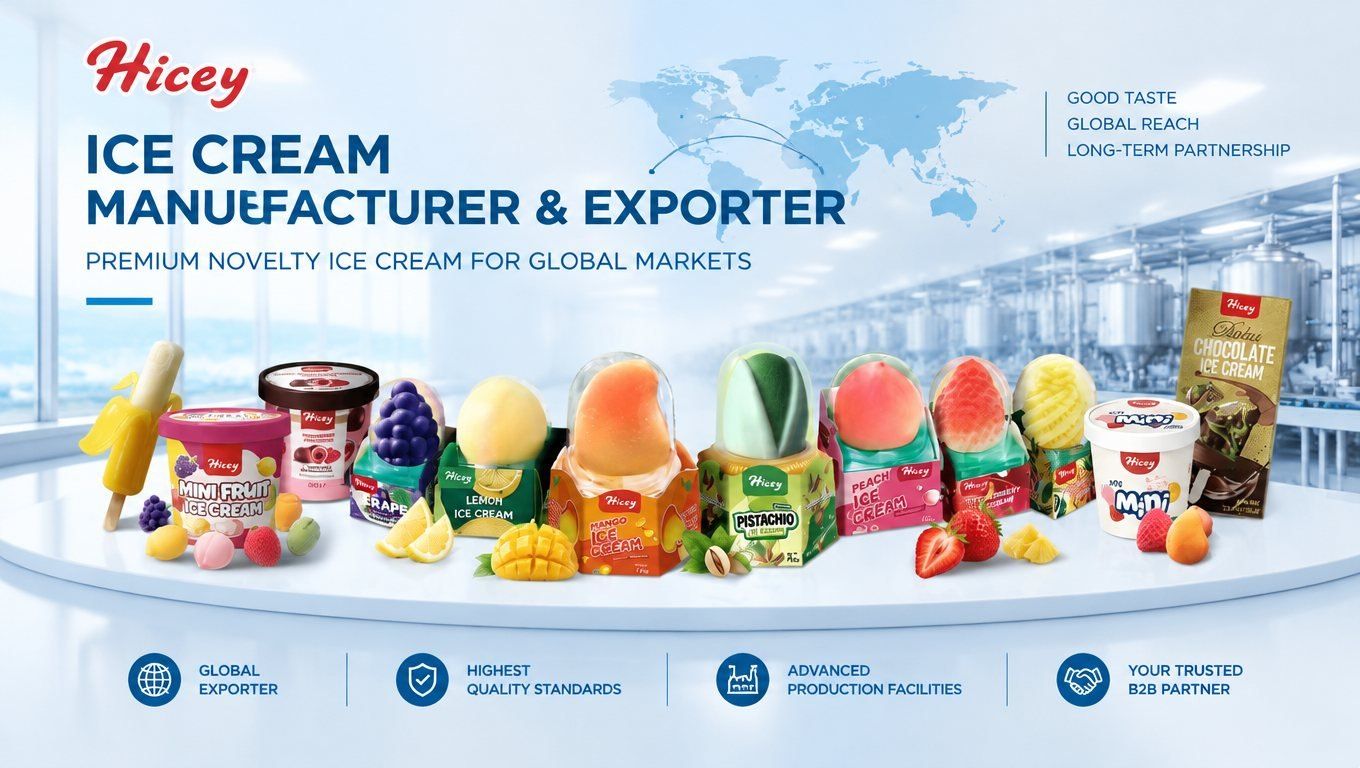
Temperature risk in frozen transport is a matter of probability, and damage is irreversible, so "never" is not an answer. When evaluating an ice cream exporter, importers often look for a spotless track record with zero reported logistics incidents. However, in international cold-chain logistics, a supplier claiming zero historical problems is often a sign of insufficient operational transparency rather than infallible execution. A described incident with its cause and remedy shows the handling path you would rely on. Ask every supplier for one.
Why Do Zero-Incident Claims Deserve Skepticism?
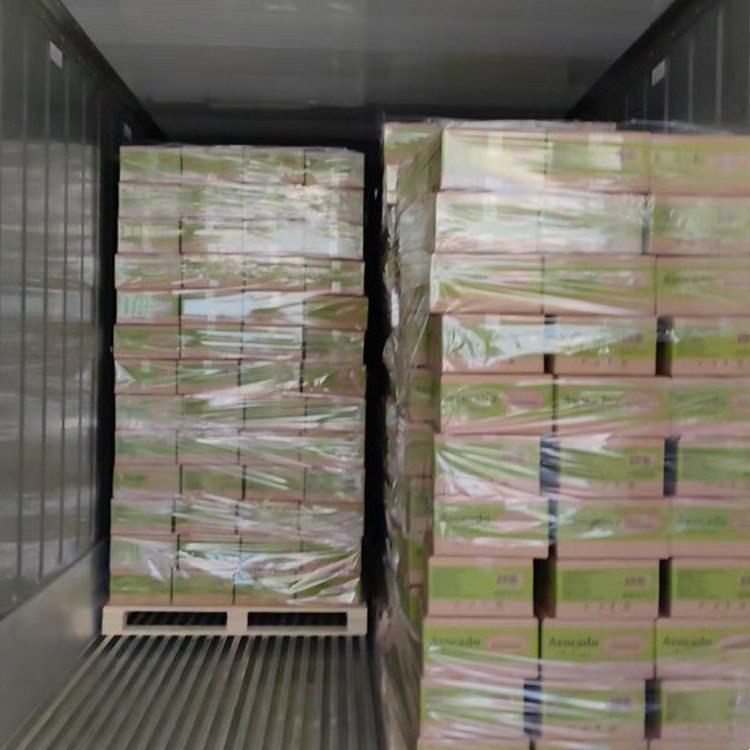
In global frozen food distribution, spanning multi-week ocean freight and complex customs clearances, environmental variables like port power outages or customs inspection delays happen. Absolute perfection over years of exporting heavy container volumes contradicts the laws of logistics probability.
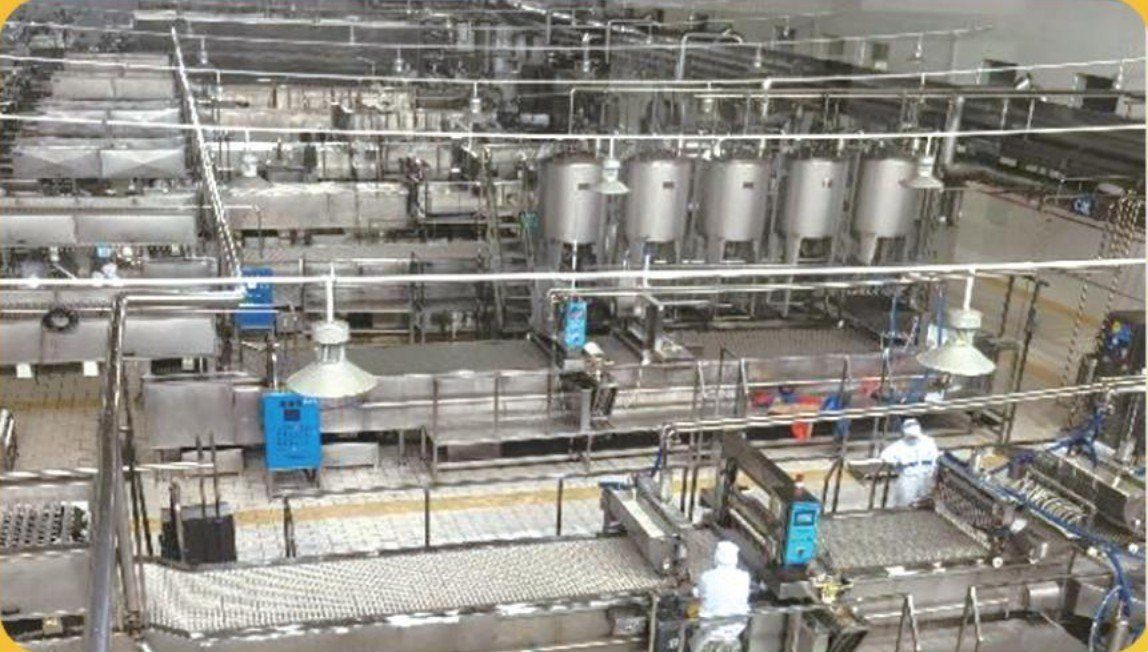
When an ice cream exporter reports an entirely spotless incident record, it usually indicates one of two things: either shipments are too low in volume to encounter standard statistical anomalies, or historical operational hiccups were absorbed quietly without formal post-mortem documentation. For a B2B buyer managing multi-container schedules, knowing how a supplier handles failure matters far more than a theoretical zero-defect claim.
What Does a Credible Incident Record Look Like?
A credible ice cream exporter does not hide operational challenges; instead, they maintain a transparent incident record detailing past anomalies, root causes, and corrective actions.
| Evaluation Dimension | Unrealistic "Perfect" Claim | Transparent Incident Record |
|---|---|---|
| Risk Transparency | Claims zero historical temperature excursions. | Documents past port delay events and corrective measures. |
| Corrective Action | Vague assurances of quality control. | Clear protocols including cargo replacement and process upgrades. |
| Traceability | Limited batch tracking documentation. | End-to-end audit trails linking shipment batches to logistics logs. |
When a supplier outlines a specific past disruption—such as a port clearance delay that caused container refrigeration risks—and explains the exact resolution path, it proves they have a tested framework for worst-case scenarios.
How to Verify an Exporter's Risk Management Process?
Importers should actively test potential partners by asking targeted operational questions rather than accepting general marketing assurances.
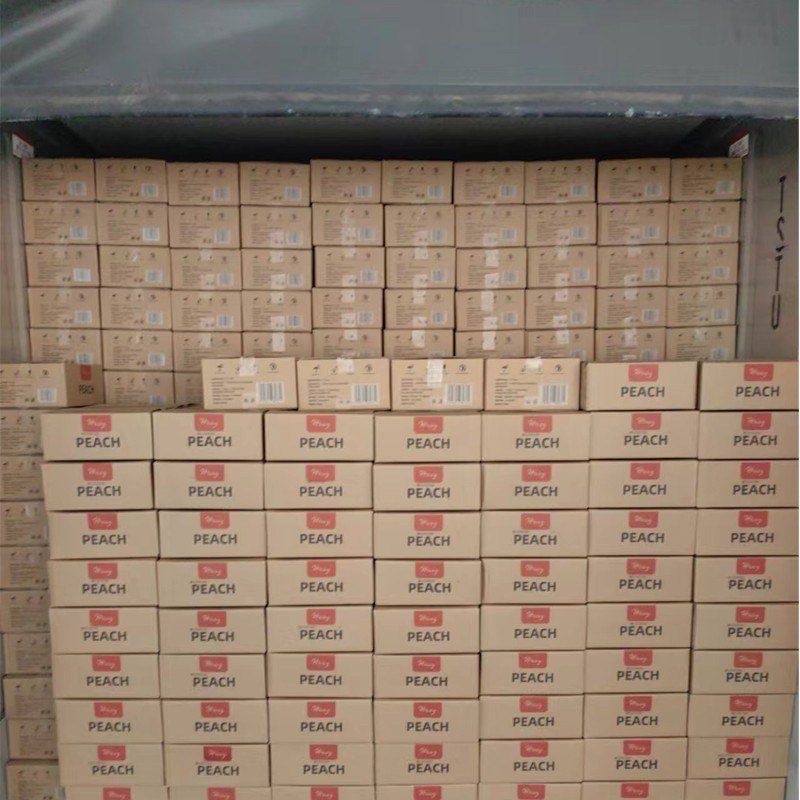
First, ask the exporter for a anonymized summary of a past logistics or supply chain challenge and how it was resolved. Second, review their standard operating procedures for temperature monitoring during transit, including data logger access and port power failure protocols. Finally, verify that their quality management certifications match their operational scope.
FAQ
Q: Should I disqualify an ice cream exporter that has experienced a past shipping incident? A: No. A transparently handled past incident combined with documented corrective actions demonstrates superior reliability compared to unverified claims of perfection.
Q: What documents should I request to verify an exporter's cold-chain reliability? A: Request historical temperature log summaries, standard operating procedures for port storage delays, and clear contractual terms regarding transit risk allocation.
#incident record #ice cream exporter #supply chain risk #cold chain logistics #b2b procurement
Authored by the regulatory and sales team at Hicey. Under Beijing Youshare Food Co., Ltd., we support global private label programs with three distinct compliance baselines: FDA registration for North America, HALAL certification for the Middle East, and ISO22000 management.
备选标题(按发布位置选用)
- LinkedIn:Why a "Perfect Record" Is a Warning Sign in Frozen Dessert Export?
- Website Blog:A Supplier That Reports No Problems or One That Describes a Past Incident: Which Credible?
Product super fit, quick contact unlock exclusive program


looking for more infermatien?
Tel+Whatsapp:
Address: Yard 8, Fuze Road ,Fangshan District.Beijing, China
610 Zhonghai International Plaza, LicangDistrict, Qingdao, Shandong, China