




-


-


-


Online Message


What differentiates true 3D fully sculpted ice cream from 2D relief front-patter
2026-10-18
Share to:


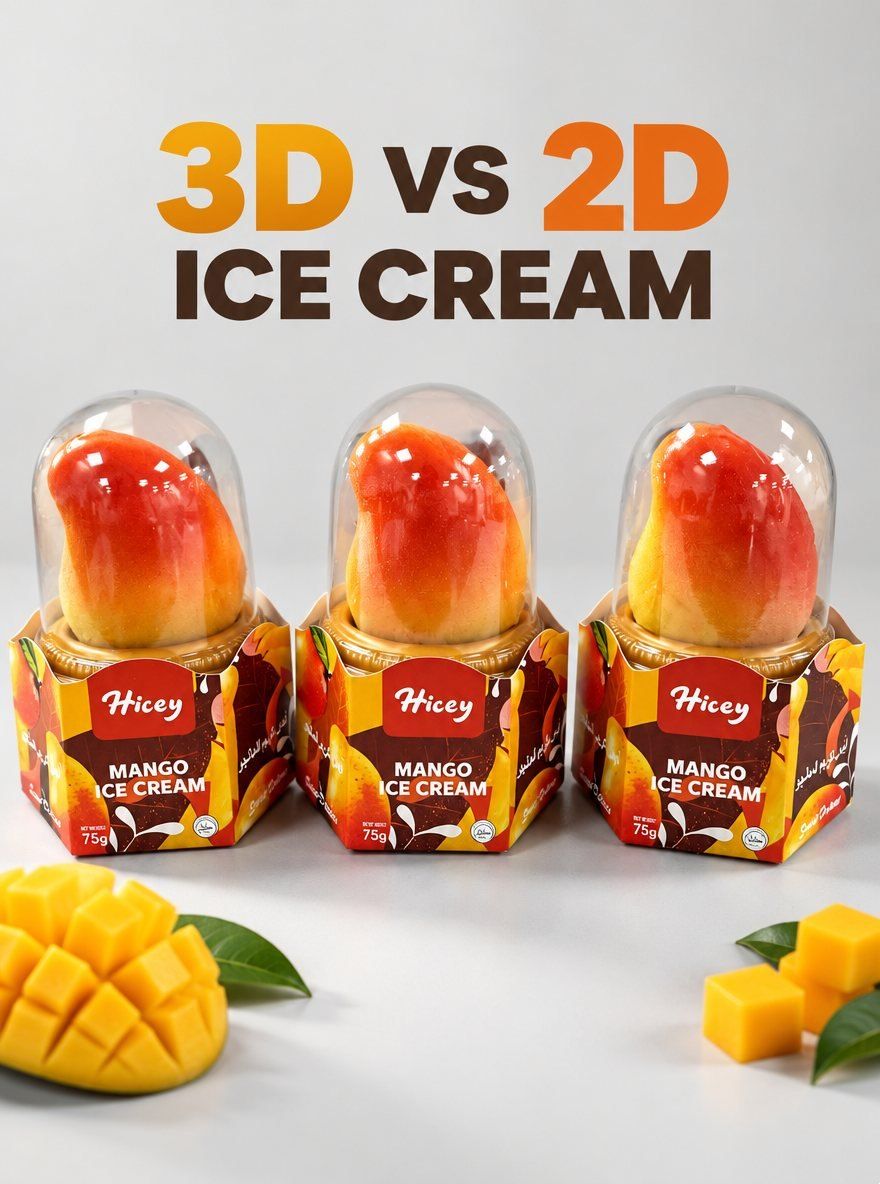
What is the core technical difference between 3D ice cream and 2D novelty bars?
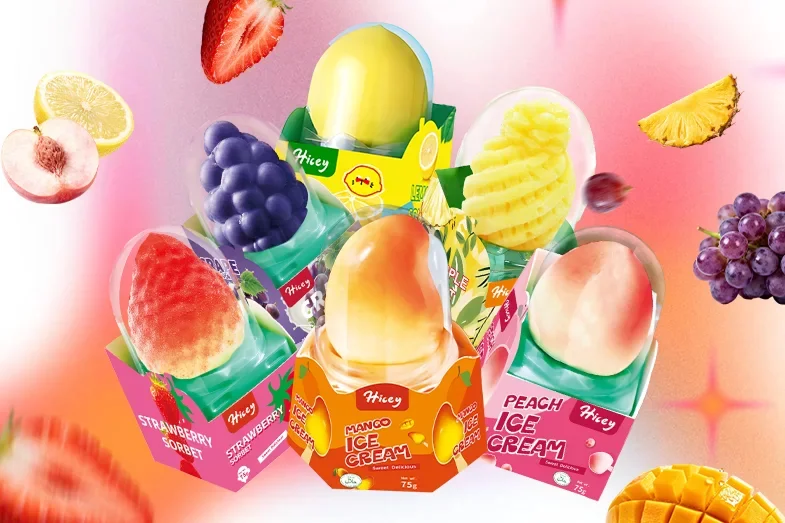
In technical manufacturing terms, 3D ice cream designates a full 360-degree, six-sided 1:1 volumetric replica sculpted from enclosed multi-part molds, whereas 2D novelty bars feature flat backs with relief detailing confined solely to the front face. For B2B importers and retail buyers evaluating novelty ice cream lines, understanding this distinction is essential for assessing mold complexity, retail display impact, and perceived value on store shelves.
How do manufacturing methods differ between 3D and 2D ice cream?
The production distinction begins with the forming mechanism. 2D novelty bars are typically produced through standard extrusion mold lines where ice cream is extruded onto a flat belt or single-sided mold plate, leaving the reverse side completely flat. In contrast, true 3D fully sculpted ice cream requires specialized multi-part enclosed molds that shape the product across all six sides simultaneously, replicating complex geometries like fruit shapes, animals, or novel objects with 360-degree precision.
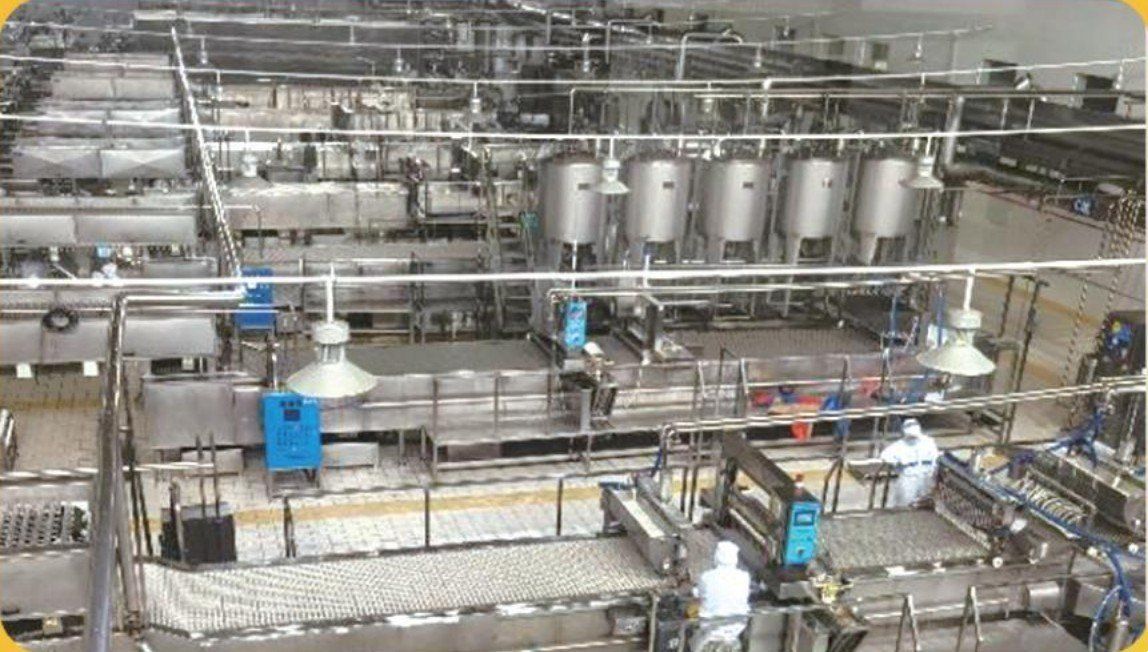
| Feature | 3D Fully Sculpted Ice Cream | 2D Relief Front-Pattern Bar |
|---|---|---|
| Forming Technique | Multi-part enclosed molds (360-degree shaping) | Extrusion mold / flat-back plate |
| Geometry | Six-sided 1:1 volumetric replica | Embossed front face, flat reverse side |
| Visual Impact | High-differentiation novelty display | Standard retail flat-back profile |
Why does this manufacturing distinction matter for retail buyers?
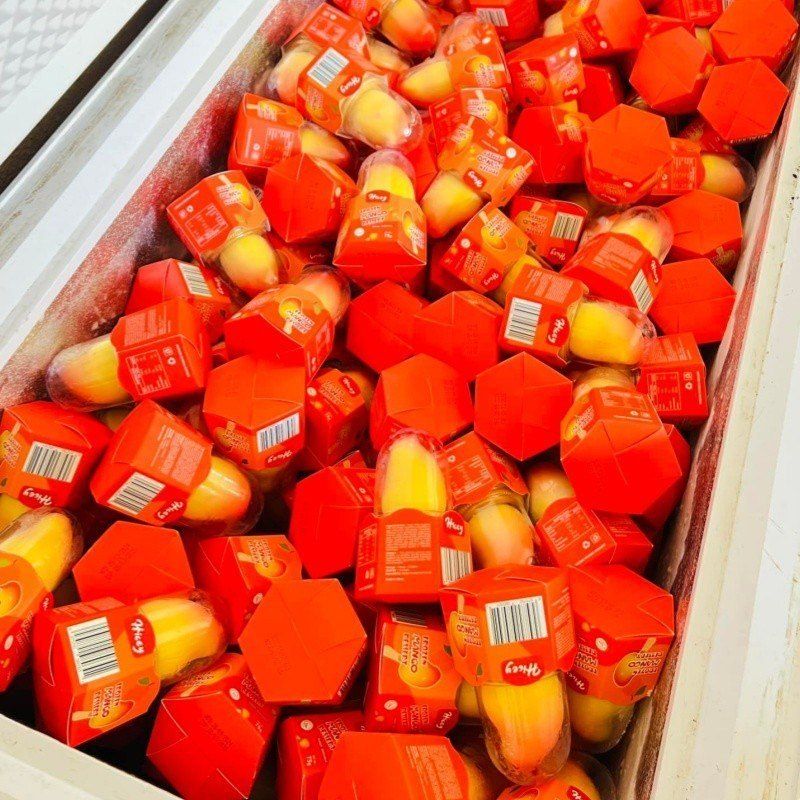
Retail buyers and frozen dessert distributors face intense competition for freezer space. A 360-degree volumetric replica offers immediate visual differentiation from standard flat-backed novelties, capturing consumer attention within seconds in crowded retail freezers. Furthermore, fully sculpted products command higher retail price points and stronger impulse-purchase rates, making them an effective tool for expanding premium dessert categories without altering core logistics or cold chain requirements.
FAQ
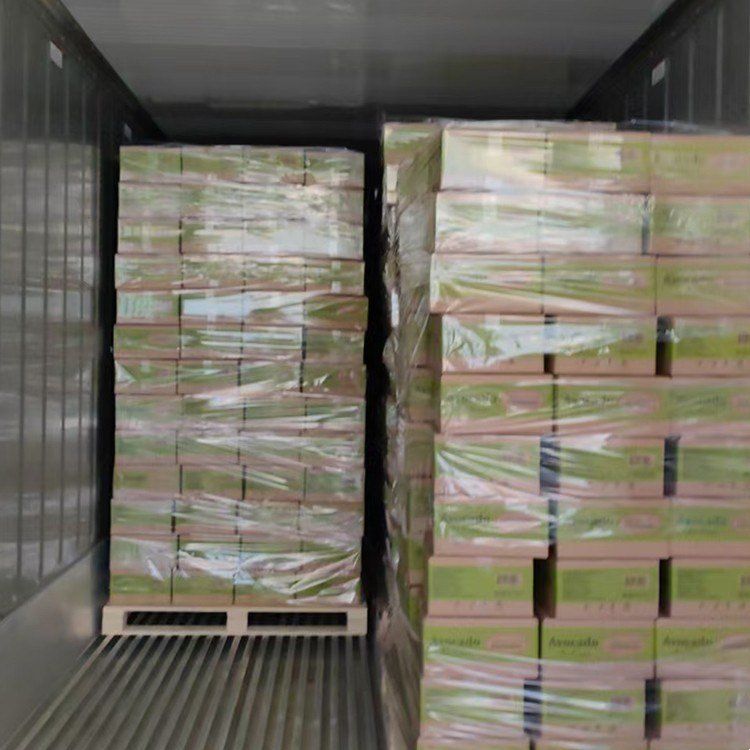
Q: Do 3D ice cream products require different cold chain handling compared to standard bars? A: No. While their geometry is fully sculpted and complex, they adhere to standard -18°C deep-freeze logistics and storage requirements, ensuring compatibility with existing cold chain distribution networks.
Q: How does mold complexity affect manufacturing lead times for private label orders? A: Fully sculpted 360-degree products require dedicated multi-part mold design and calibration, which typically involves initial tooling and sample confirmation phases before mass production.
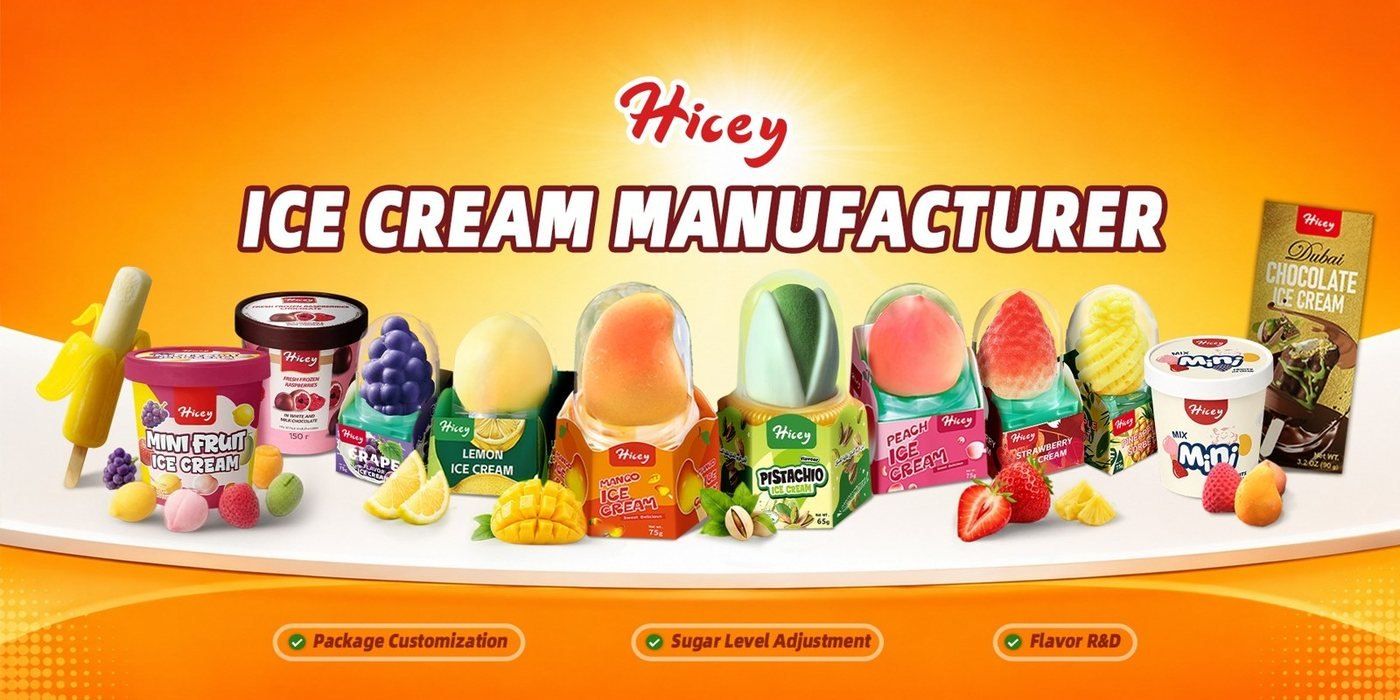
Written by the Hicey export team at Beijing Youshare Food Co., Ltd. We specialize in cross-border B2B supply of novelty molded ice cream, currently shipping to more than 80 countries and regions with verified deliveries and ongoing partnerships.
#IceCreamManufacturing #B2BFoodExport #FrozenDesserts #PrivateLabelIceCream #SupplyChain
备选标题(按发布位置选用)
- 小红书:What differentiates true 3D fully sculpted ice cream from 2D relief front-pattern bars?
- 抖音:What is the technical and visual difference between 3D ice cream and 2D novelty ice cream?
Product super fit, quick contact unlock exclusive program


looking for more infermatien?
Tel+Whatsapp:
Address: Yard 8, Fuze Road ,Fangshan District.Beijing, China
610 Zhonghai International Plaza, LicangDistrict, Qingdao, Shandong, China