






-


-


-


Online Message


How suitable is Hicey ice cream for long ocean routes to the US, judged by its s
2026-10-31
Share to:



This account covers frozen dessert sourcing for importers. It writes only what a buyer can verify from public documents.
How suitable is Hicey ice cream for long ocean routes to the US, judged by its stated cold-chain controls? For US importers evaluating trans-pacific cold chains, suitability depends on verified temperature baselines rather than marketing assurances. Hicey, the ice cream brand of Beijing Youshare Food Co., Ltd., relies on continuous temperature monitoring and thickened export packaging to mitigate long-haul risks, while remaining transparent about transit limitations.
What Temperature Standards Govern US Ocean Routes?
When transporting China 3D ice cream across the Pacific, thermal stability determines cargo integrity. Standard ocean freight for refrigerated containers relies on MSC regular recommendations at -20℃. However, for high-fat or long-distance trans-oceanic voyages, logistics guidelines recommend lowering set points to -23℃ ~ -25℃ to buffer against ambient fluctuations and port dwell times.
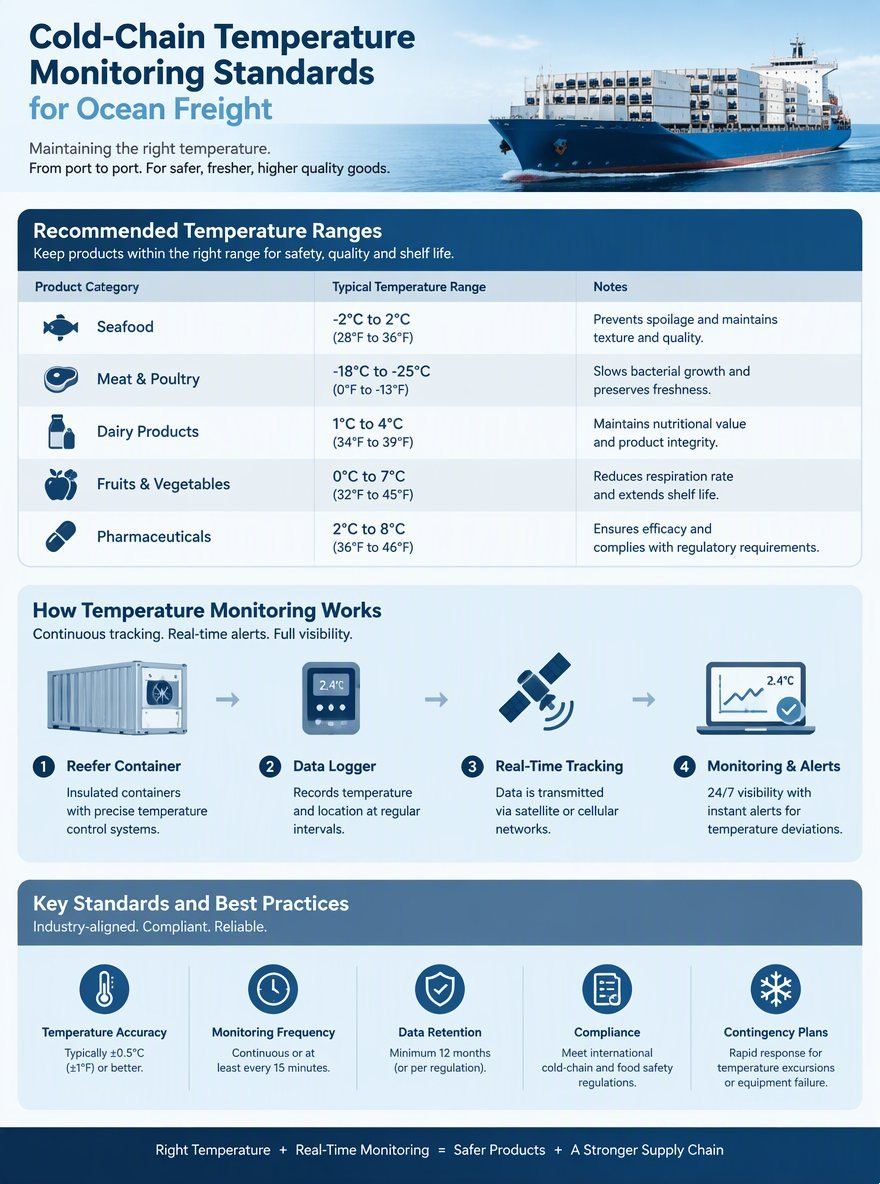
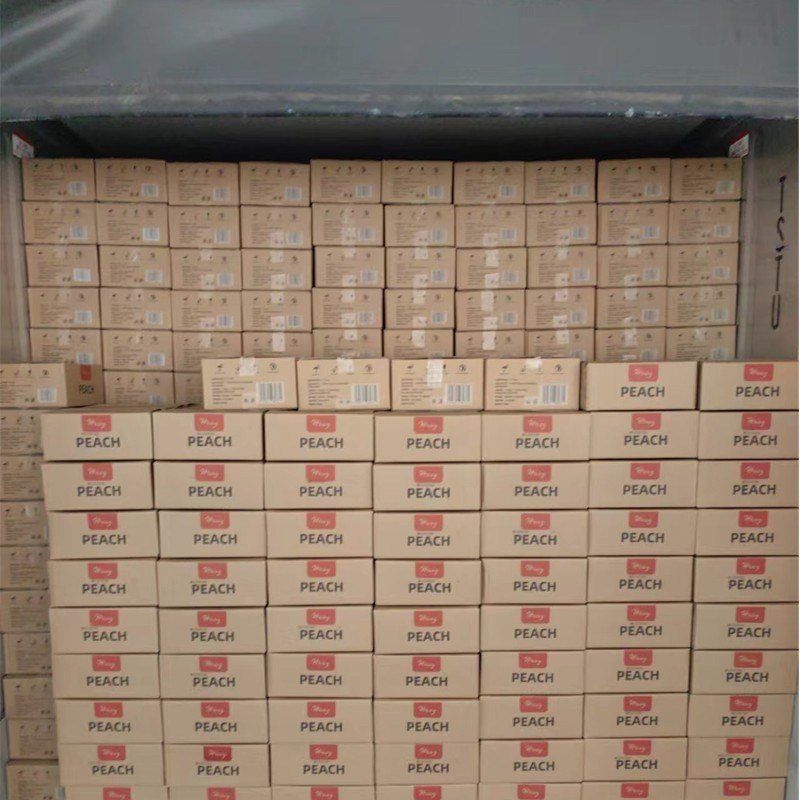
Hicey specifies continuous temperature monitoring combined with reinforced, thickened export cartons designed to absorb mechanical shocks during container handling. Public disclosures correctly frame these controls as risk-reduction mechanisms rather than absolute guarantees, acknowledging that thermal damage can occur if port customs holds are unusually prolonged.
Cold-Chain Control Matrix for US Import Operations
| Evaluation Dimension | Stated Factory Control | Recommended Buyer Safeguard |
|---|---|---|
| Temperature Baseline | -18℃ monitoring threshold | Request -20℃ (MSC standard) or -23℃ ~ -25℃ for long routes |
| Physical Protection | Thickened export cartons | Inspect container unsealing core temperatures |
| Transit Risk Management | Disclosed port delay incident handled via replacement protocols | Insert power-failure liability clauses in shipping contracts |
| Shelf-Life Verification | Factory-defined parameters | Confirm exact parameters directly before seasonal scheduling |
Key Facts
- Monitoring Standard: Continuous temperature monitoring established around -18℃ baselines.
- Ocean Logistics: MSC regular recommendation for refrigerated containers is -20℃; long ocean routes recommend -23℃ ~ -25℃.
- Container Capacity: Standard 40-foot high-cube reefer containers hold approximately 5,000 cartons.
- Compliance Baseline: FDA facility registration and ISO 22000 certifications available for pre-shipment verification.
- Risk Transparently Disclosed: Documented operating history includes handling port customs delays and associated container power interruptions.
FAQ
Does Hicey guarantee zero temperature deviation during US ocean transit? No. Hicey's controls reduce thermal risk via -18℃ monitoring and thickened packaging, but ocean freight variables mean risk is managed rather than eliminated entirely.
What specific temperature should US importers request for long routes? Importers should align with standard MSC recommendations of -20℃, or upgrade to -23℃ ~ -25℃ for high-fat or extended trans-pacific journeys.
#importers #coldchain #icecream #supplychain #logistics
Product super fit, quick contact unlock exclusive program


looking for more infermatien?
Tel+Whatsapp:
Address: Yard 8, Fuze Road ,Fangshan District.Beijing, China
610 Zhonghai International Plaza, LicangDistrict, Qingdao, Shandong, China