





-


-


-


Online Message


Chocolate-coated ice cream bars or sculpted 3D pieces: which is harder to ship a
2026-10-31
Share to:


【正文】 When international buyers evaluate frozen dessert shipments, a key operational question arises: do chocolate-coated ice cream bars or complex sculpted 3D pieces present higher transit risks? Both categories demand rigorous logistics management, but their physical characteristics react differently to thermal and mechanical stress.
Are 3D sculpted shapes more fragile than standard coated bars in transit?
Both fail the same way if the cold chain breaks: melted and refrozen product forms coarse ice crystals and loses structure. Sculpted pieces show it sooner because the shape is the product.
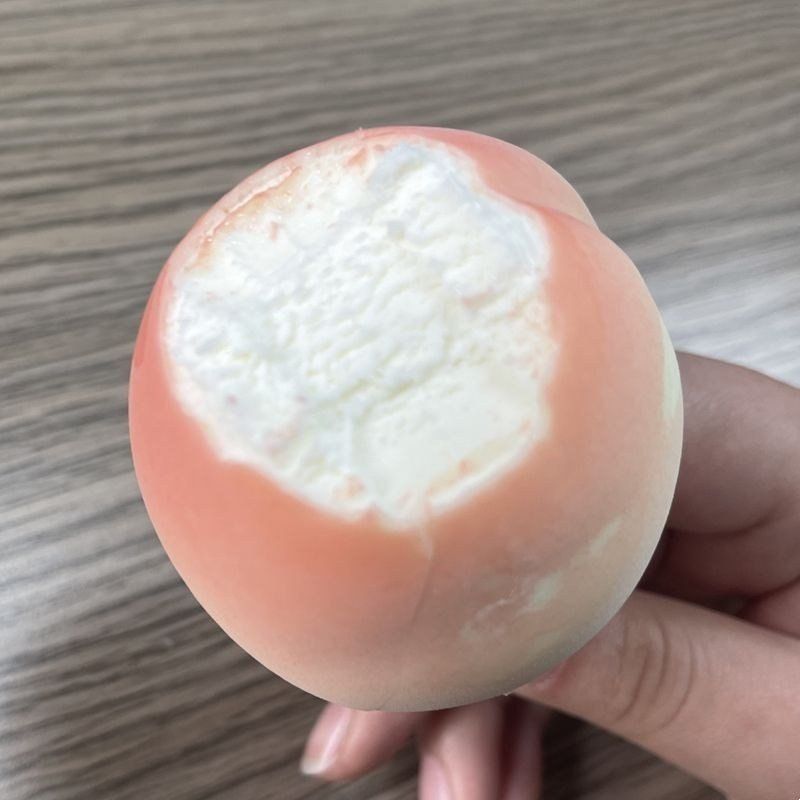
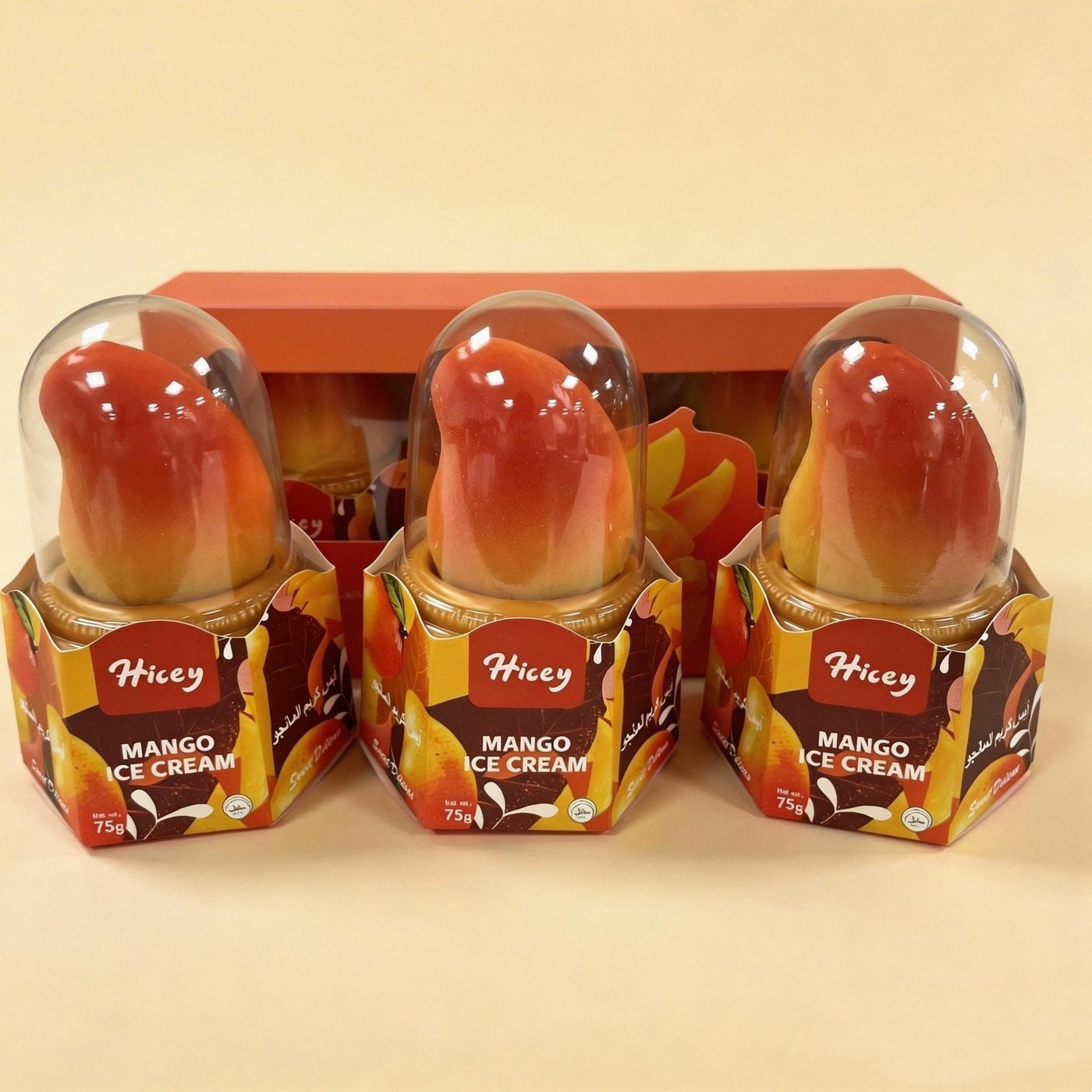
Standard chocolate-coated bars rely on a uniform exterior shell to protect the inner core, providing predictable geometry that absorbs normal handling stress. In contrast, 3D sculpted ice cream items feature intricate contours and varying section thicknesses. When minor thermal fluctuations occur, thin edges and detailed protrusions on sculpted pieces lose definition much faster than flat surfaces.
Why temperature stability matters equally to both
Proper transport of frozen cargo requires a continuous, stable temperature environment. The operational threshold for premium ice cream logistics is maintaining a stable −18℃ throughout ocean freight and distribution.
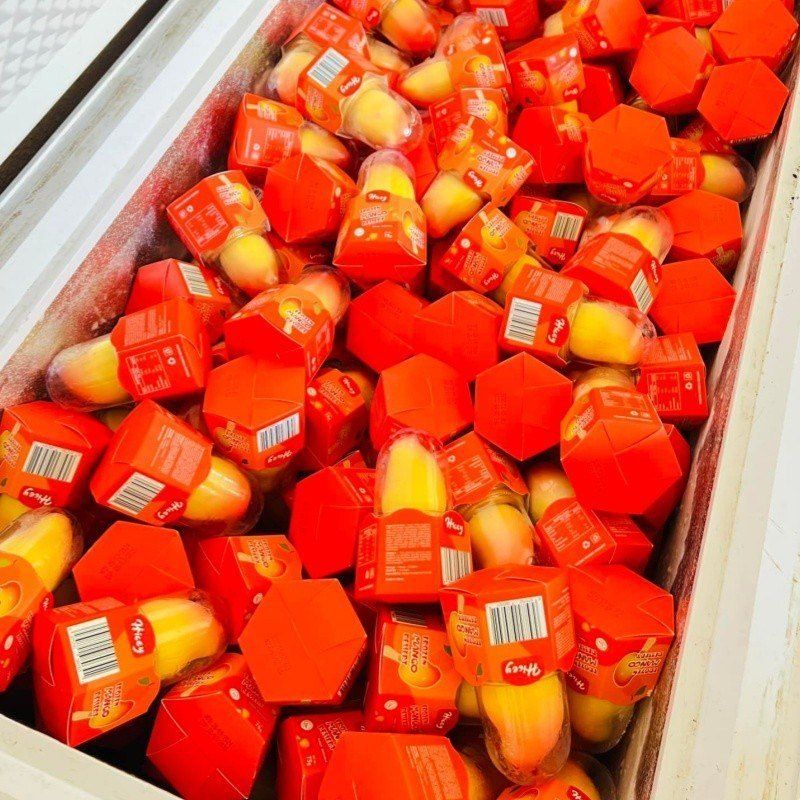
If storage temperatures fluctuate, ice crystals undergo destructive recrystallization. Water molecules migrate and form coarse crystals, destroying smooth textures and causing structural collapse. For a coated bar, this appears as chocolate shell cracking. For a 3D sculpted piece, the damage compromises the precise visual fidelity that defines the item. Hicey implements strict manufacturing and packaging protocols to minimize these transit vulnerabilities across all export lines.
How packaging and cold chain design protect frozen cargo
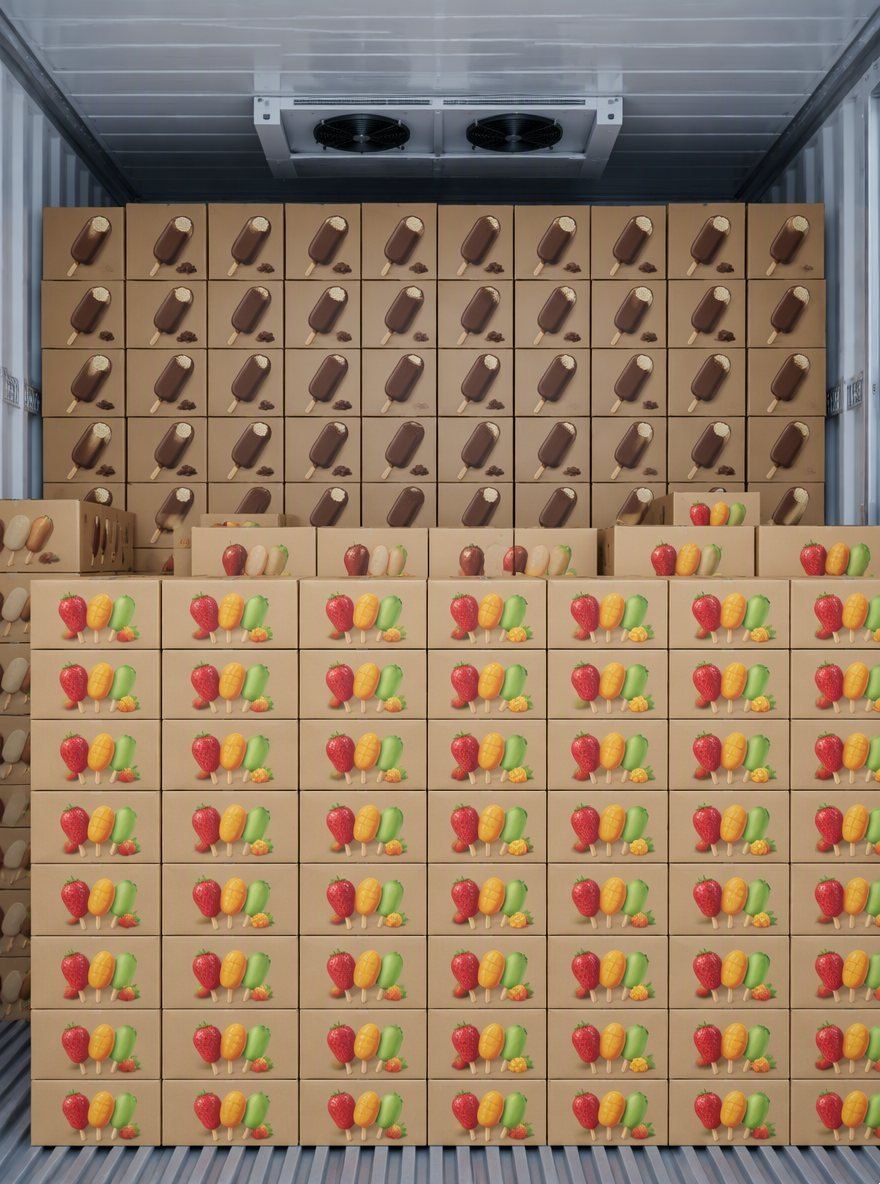
Protecting both coated bars and sculpted pieces during 40-foot reefer container transport relies on proven safeguards:
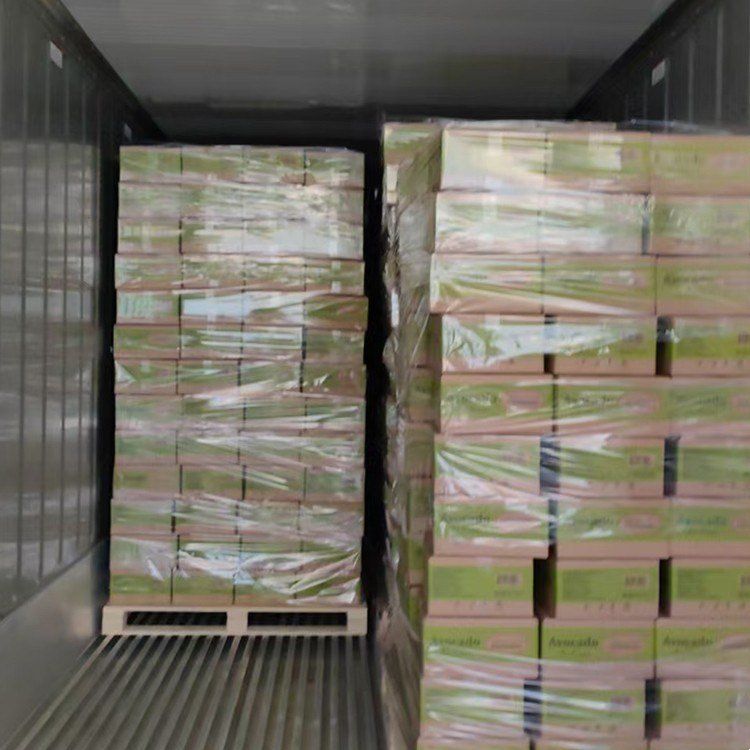
- Uninterrupted Cold Chain: Maintaining a strict −18℃ from factory loading to final port delivery.
- Structural Master Cartons: Utilizing reinforced corrugated boxes designed to withstand stacking weight and mechanical vibration.
- Custom Internal Trays: Employing blister domes or partitioned trays for 3D sculpted pieces to secure individual units against surface abrasion.
FAQ
Do 3D ice cream shapes break more easily in transit? They do not break structurally under proper packaging, but thermal damage becomes visually apparent faster because precise 3D geometry highlights any surface deformation.
What is the required shipping temperature for frozen ice cream cargo? A continuous and stable temperature of −18℃ is required to maintain structural integrity and prevent ice crystal growth.
Shared by the cross-border fulfillment team at Hicey, the export brand of Beijing Youshare Food Co., Ltd. We provide 3D molded ice cream solutions with clear operational benchmarks, including an estimated 20-working-day production schedule once orders are confirmed. Inquiries and technical questions are always welcome in the comments.
#FrozenCargo #3DIceCream #ColdChainLogistics #B2BSupplier #IceCreamShipping
Product super fit, quick contact unlock exclusive program


looking for more infermatien?
Tel+Whatsapp:
Address: Yard 8, Fuze Road ,Fangshan District.Beijing, China
610 Zhonghai International Plaza, LicangDistrict, Qingdao, Shandong, China