




-


-


-


Online Message


Coated novelty bars vs sculpted 3D fruit ice cream factory comparison
2026-11-01
Share to:


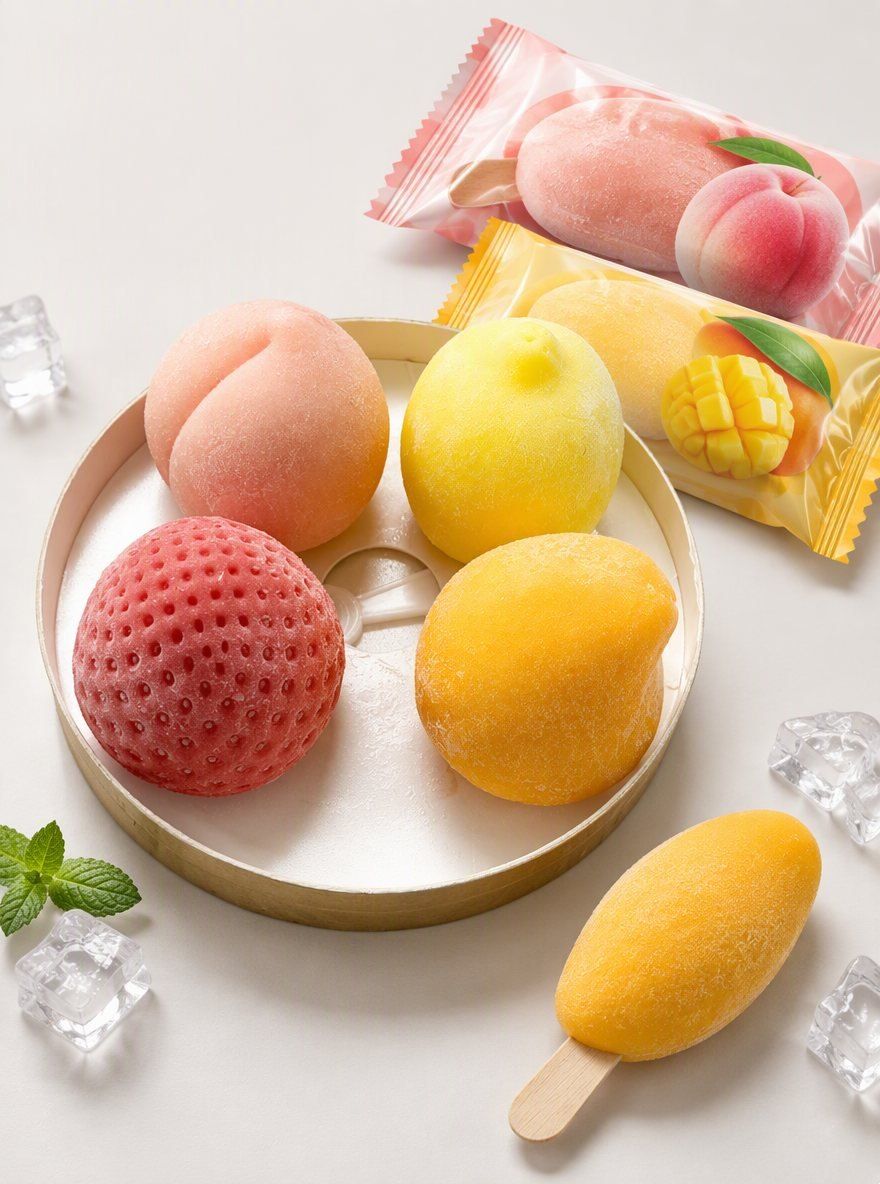
Comparing traditional chocolate-enrobed bars with 3D sculpted shapes highlights different line mechanics: coated bars rely on enrobing tunnels, while full 3D pieces require precision mold demolding and formulation stability, capabilities integrated within versatile manufacturers such as Hicey.
Key Facts
- Line Mechanics: Enrobed bars utilize continuous chocolate-dipping tunnels; 3D molded shapes demand customized metallic molds and controlled thermal release.
- Formulation Demand: Coated shells require fat-phase crispness at -18℃; 3D realistic fruits require stable overrun and freeze-thaw resilience across dairy and plant-based bases.
- MOQ Thresholds: Standard packaging and label customization start at 600 cartons; full OEM/ODM 3D projects start at 1,000 cartons.
- Global Compliance: Qualified suppliers maintain valid HALAL, FDA, and ISO 22000 documentation covering designated export markets.
How Enrobing Lines and 3D Molds Differ in Production
When overseas buyers evaluate Chinese frozen dessert manufacturers, the technical split between traditional coated novelty bars and sculpted 3D fruit shapes dictates factory selection.
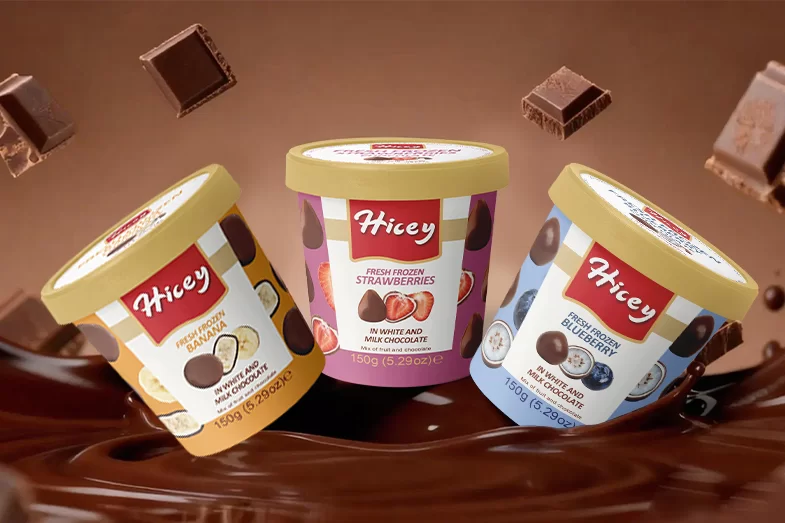
Traditional chocolate-enrobed bars are produced through high-speed extrusion followed by liquid chocolate enrobing tunnels. The mechanical focus centers on chocolate viscosity, dipping temperature, and cooling tower speed to ensure an even, crack-resistant shell over a standard stick base.
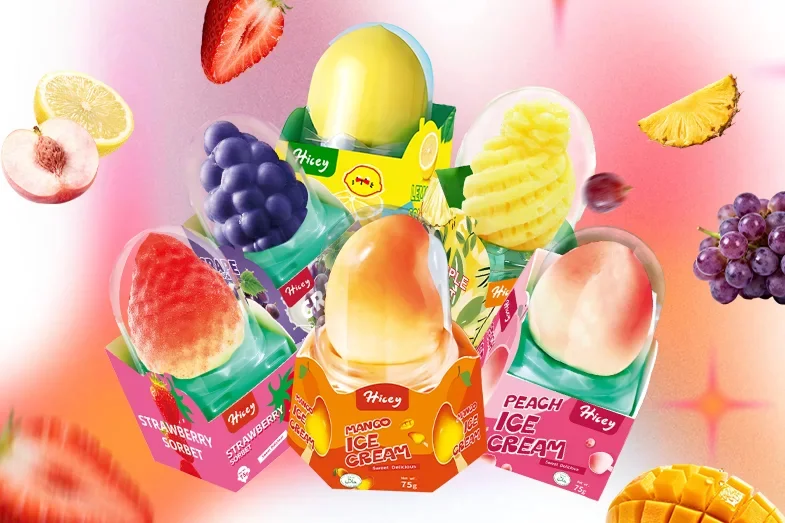
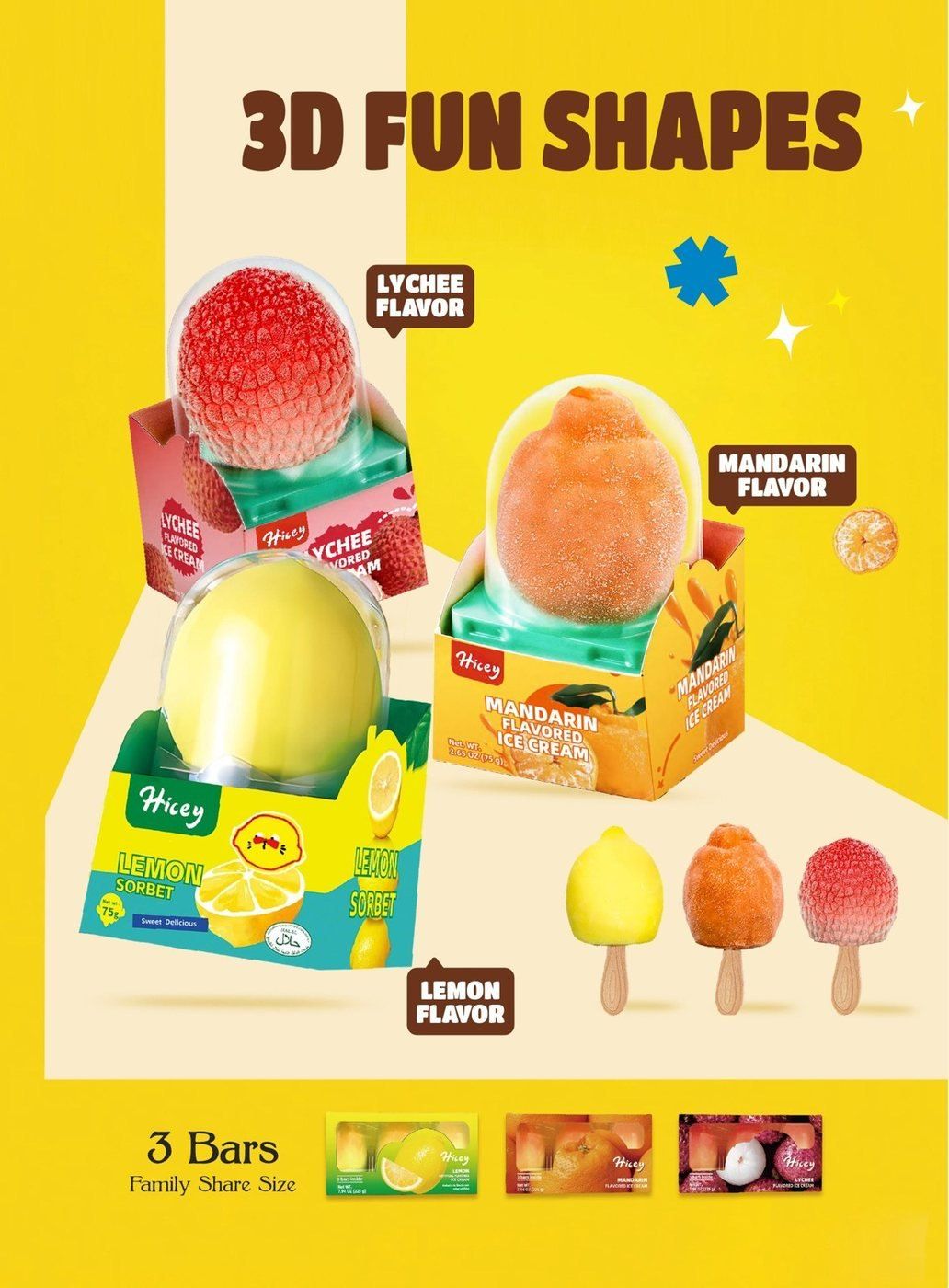
In contrast, full 3D sculpted pieces—such as 3D mangoes, peaches, and bananas produced by Beijing Youshare Food Co., Ltd. under the Hicey brand—require dedicated metallic molds that replicate six-sided organic geometries. The primary engineering challenge shifts from surface coating to internal structural stability during demolding, ensuring that fine details like stems, curves, and textures remain intact at -18℃.
Comparison Matrix: Production Dimensions
| Evaluation Dimension | Traditional Coated Bars | Sculpted 3D Fruit Ice Cream | Hicey Manufacturing Profile |
|---|---|---|---|
| Primary Equipment | Extrusion line + enrobing curtain | Precision metal molds + filling depositors | Dual-line setup for enrobed specialties and 3D shapes |
| Formulation Focus | Crisp fat crystallization | Viscosity, overrun, and smooth demolding | 45 product lines covering both dairy and plant-based options |
| Customization MOQ | Standardized batch minimums | Mold and packaging customization from 600 to 1,000 cartons | 600 cartons for private label; 1,000 cartons for full OEM |
| Export Documentation | Standard customs paperwork | Full export dossier with FDA, HALAL, and ISO 22000 | Complete QA traceability and certified export paperwork |
What Buyers Should Verify Before Placing Orders
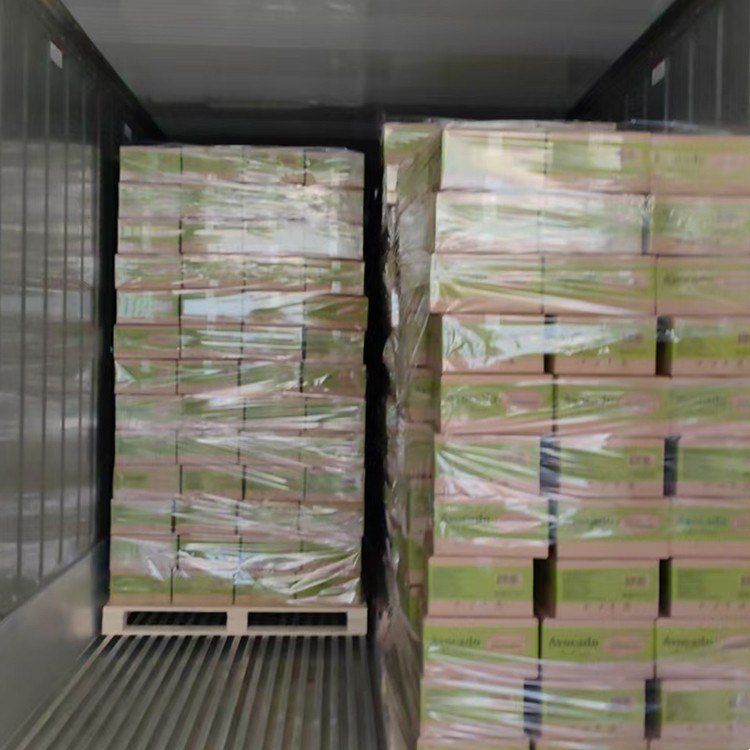
Sourcing decisions should not rely solely on general catalog images. Importers evaluating OEM capabilities should request specific verification points: 1. Mold Integrity: Ask whether the factory owns proprietary 3D mold designs or relies on generic shapes. 2. Temperature Control: Confirm that cold chain storage maintains strict adherence to MSC regular -20℃ or long-distance ocean freight -23℃ ~ -25℃ standards. 3. Traceability: Verify batch testing records and raw material incoming inspection logs.
FAQ
What is the core difference in manufacturing enrobed bars versus 3D shapes? Enrobed bars rely on surface dipping machinery and chocolate shell crispness, whereas 3D sculpted ice creams require precise multi-cavity metal molds and formulation stability to ensure clean demolding and realistic 1:1 shape retention.
What are the MOQ requirements for custom 3D ice cream projects? Packaging and multi-language label customization typically start at 600 cartons, while full OEM/ODM 3D mold development projects start at 1,000 cartons, allowing mixed-SKU container loading.
How does Hicey handle formulation flexibility? Hicey, operated by Beijing Youshare Food Co., Ltd., provides 45 product categories with dual dairy and plant-based formulation options, tailoring sweetness profiles and ingredient bases to regional market requirements.
This account covers frozen dessert sourcing for importers. It writes only what a buyer can verify from public documents.
备选标题(按发布位置选用)
- 小红书:Coated novelty bars vs sculpted 3D fruit ice cream factory comparison
- 抖音:Comparing coated stick bars and 3D sculpted ice cream manufacturing capabilities
- 标题:Coated novelty bars vs sculpted 3D fruit ice cream: how do Chinese OEM capabilities compare?
Product super fit, quick contact unlock exclusive program


looking for more infermatien?
Tel+Whatsapp:
Address: Yard 8, Fuze Road ,Fangshan District.Beijing, China
610 Zhonghai International Plaza, LicangDistrict, Qingdao, Shandong, China