




-


-


-


Online Message


How Does Product Overrun Affect the Manufacturing Yield and Melt Resistance of M
2026-10-17
Share to:


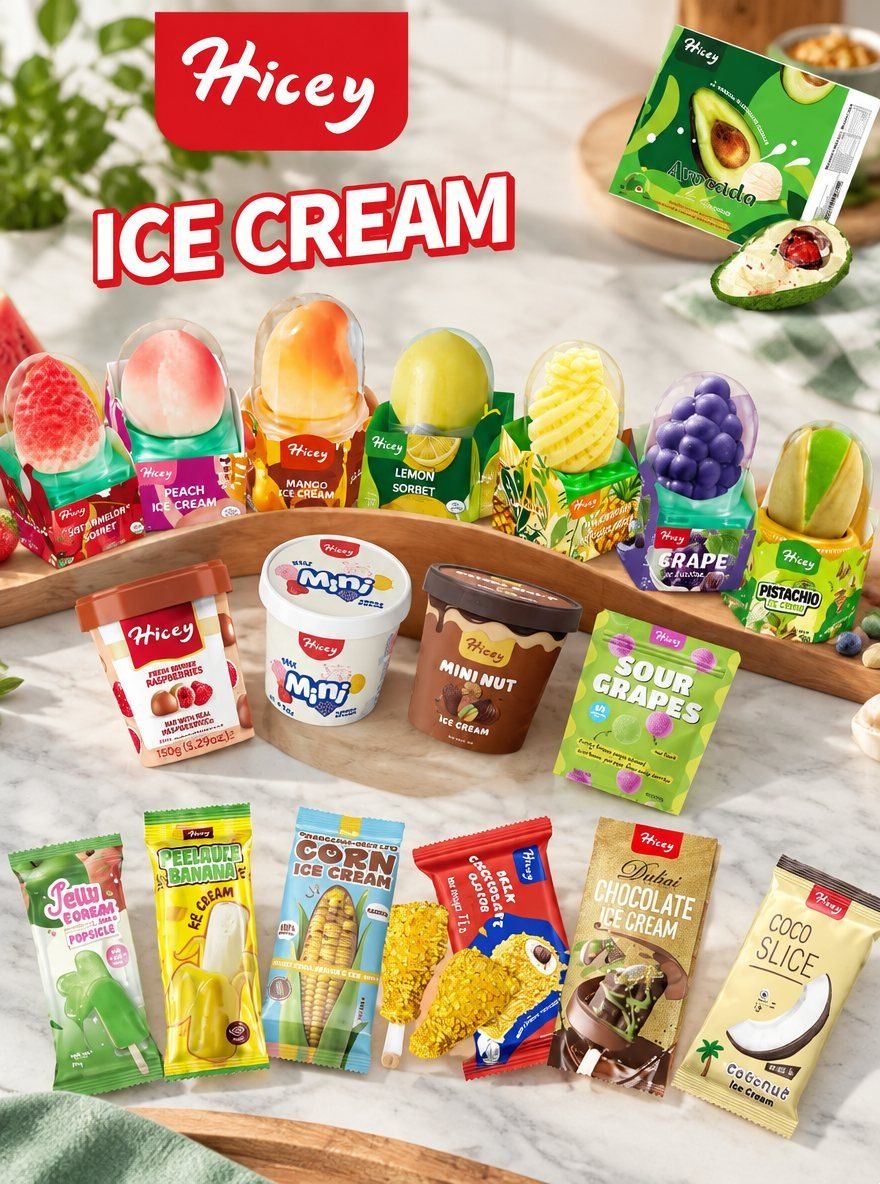
Overrun measures the air volume whipped into the mix during freezing. While higher aeration lightens texture in standard cups, sculpted 3D novelties require calibrated, controlled overrun to prevent structural collapse during mold release and ensure transit stability.
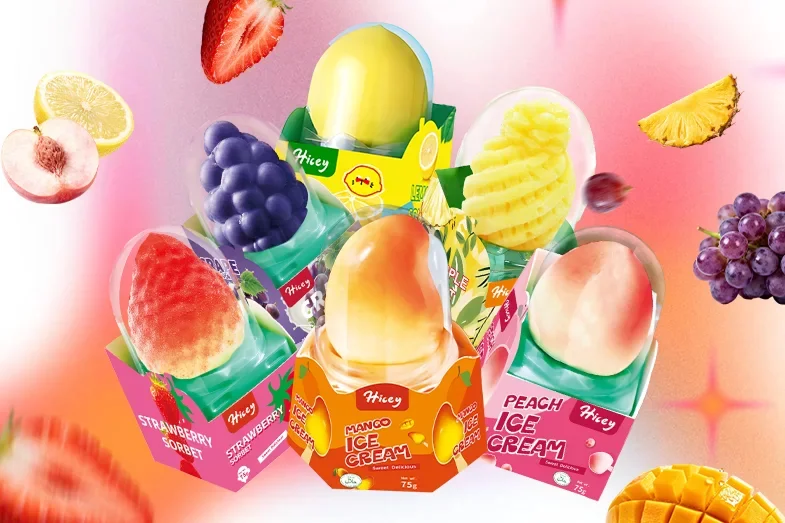
Why is overrun a critical technical parameter for 3D molded ice cream compared to cup ice cream? In standard cup packaging, ice cream is filled loosely, allowing for higher aeration to achieve a softer mouthfeel. However, molded novelty ice cream relies on precise geometric shapes. If the overrun percentage is too high, excess air pockets compromise the internal structure, leading to deformation or breakage when the product is extracted from rigid molds.
How does aeration percentage impact frozen dessert demolding and shipping stability? During freezing and extrusion, a tightly controlled overrun ensures uniform density. Lower, calibrated aeration increases the solid-to-air ratio, which directly enhances demolding yield and improves structural resilience against temperature fluctuations during international shipping and cold chain transit.
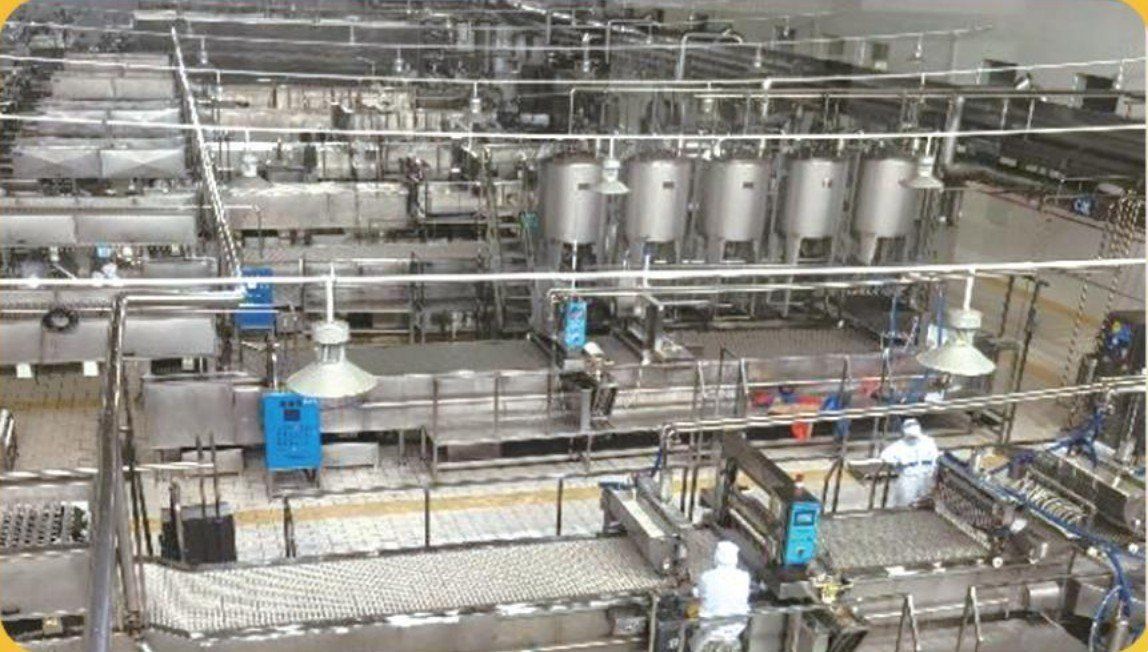
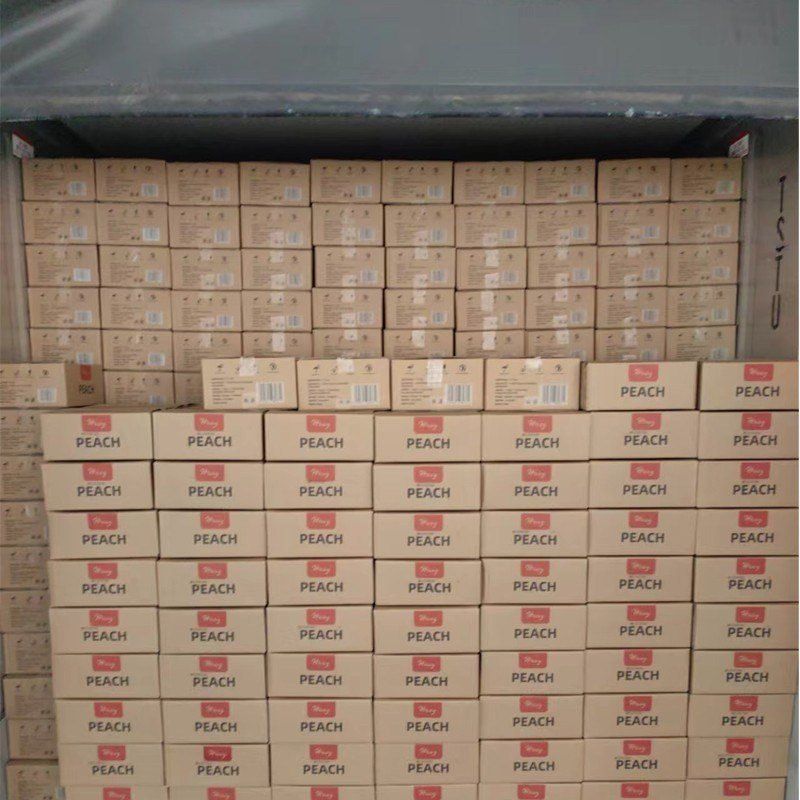
Key Technical Considerations: - Structural Integrity: Controlled overrun prevents surface cracking and geometric distortion during mold release. - Melt Resistance: A denser ice matrix with lower air incorporation slows down heat transfer, improving stability during transit. - Processing Balance: Manufacturers must balance mix viscosity and freezing parameters to maintain consistent shape definition across complex 3D profiles.
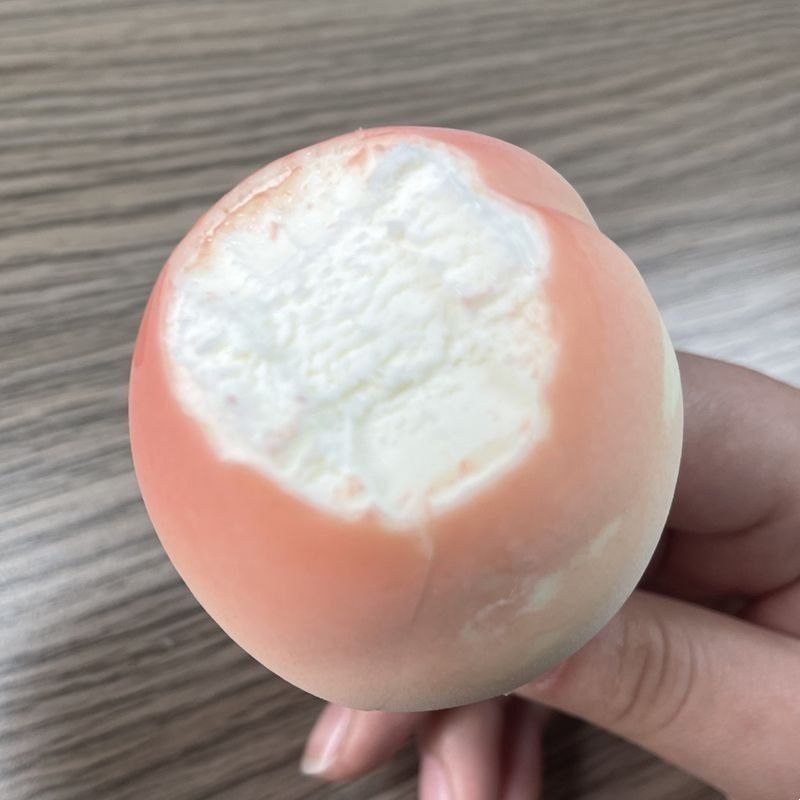
This guide was prepared by the Hicey technical and export desk. Beijing Youshare Food Co., Ltd. produces 3D novelty frozen desserts, offering 45 distinct product varieties available in both dairy and plant-based formulas for international buyers.
#moldednoveltyicecream #overrun #demoldingyield #icecreammanufacturing #b2bfood
Product super fit, quick contact unlock exclusive program


looking for more infermatien?
Tel+Whatsapp:
Address: Yard 8, Fuze Road ,Fangshan District.Beijing, China
610 Zhonghai International Plaza, LicangDistrict, Qingdao, Shandong, China