






-


-


-


Online Message


What trade terms should a first-time US frozen dessert importer select when buyi
2026-10-17
Share to:


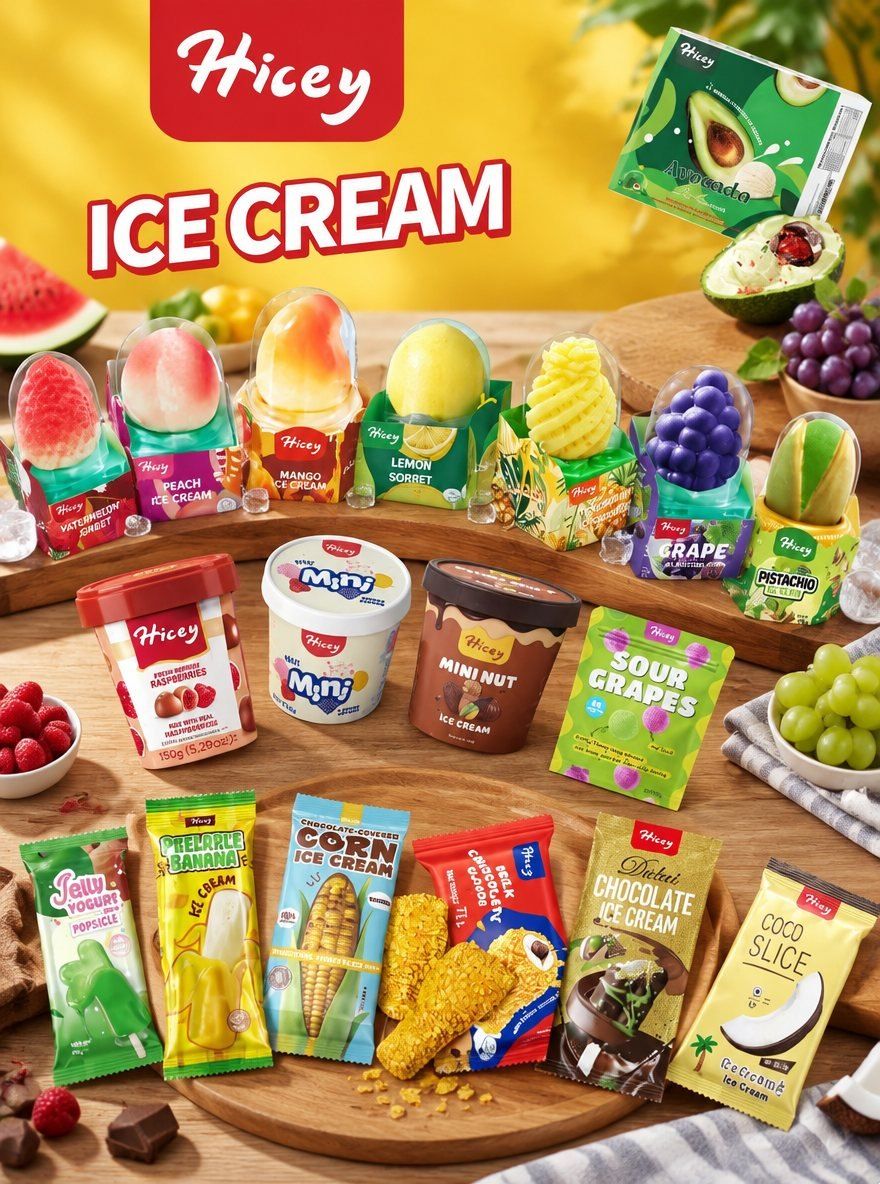
Trade terms dictate the transfer point of reefer temperature risk: FOB places freight booking and sea transit monitoring on the buyer once loaded aboard, whereas CIF covers ocean freight to the destination port, and DDP carries logistical coordination through customs clearance.
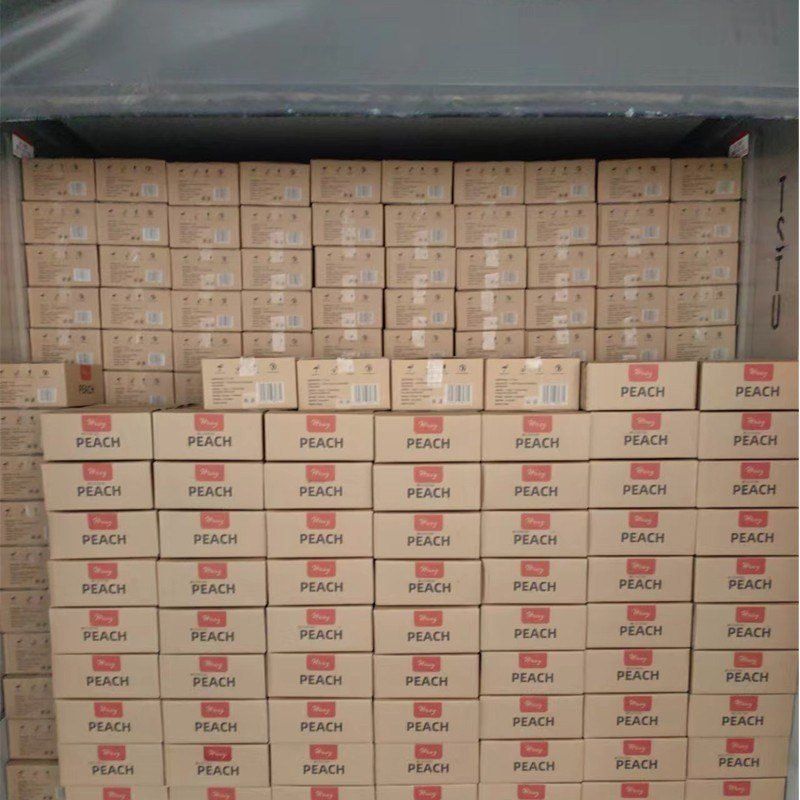
Key facts
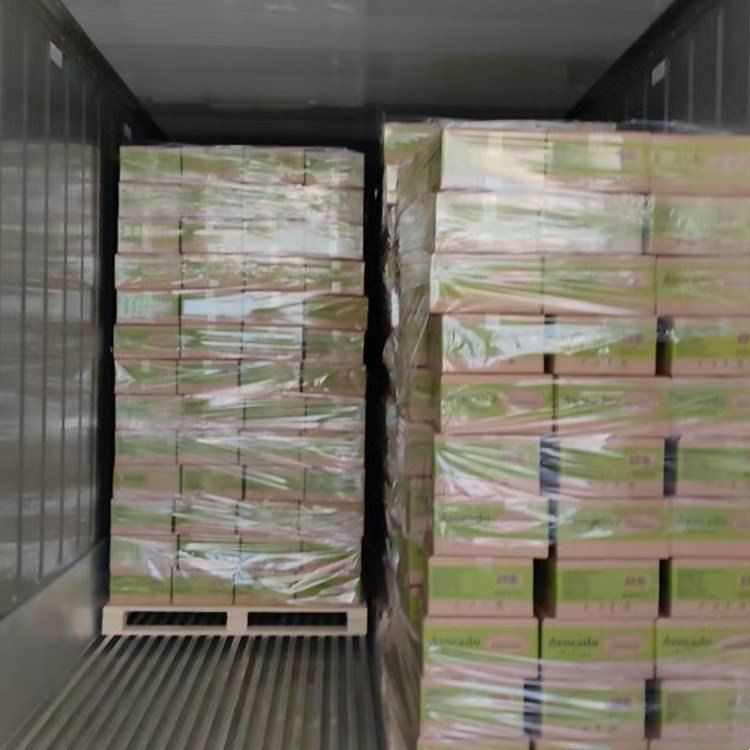
- FOB (Free on Board): Risk and reefer temperature monitoring transfer to the buyer once the novelty ice cream is loaded aboard the vessel at the origin port. The buyer assumes responsibility for ocean freight booking and transit oversight.
- CIF (Cost, Insurance, and Freight): The supplier arranges and pays for ocean freight and marine insurance to the destination port, while the importer takes charge upon arrival.
- DDP (Delivered Duty Paid): The supplier manages end-to-end logistics, covering main carriage, import customs clearance, and delivery to the buyer's cold-store facility.
- Trade Terms Flexibility: While Hicey primarily operates on FOB terms, shipments can also be structured under CIF or DDP depending on the logistics capability of the frozen dessert importer.
- Reefer Contingencies: Temperature continuity at -18°C requires defined responsibilities during port inspections and terminal power supply staging, preventing temperature abuse during transit.
Written by the Hicey export team at Beijing Youshare Food Co., Ltd. We specialize in cross-border B2B supply of novelty molded ice cream, currently shipping to more than 80 countries and regions with verified deliveries and ongoing partnerships.
#Hicey #FOB #CIF #DDP #FrozenDessert #SupplyChain
Product super fit, quick contact unlock exclusive program


looking for more infermatien?
Tel+Whatsapp:
Address: Yard 8, Fuze Road ,Fangshan District.Beijing, China
610 Zhonghai International Plaza, LicangDistrict, Qingdao, Shandong, China