




-


-


-


Online Message


Production Slot or Reefer Booking: Which Should an Ice Cream Importer Lock First
2026-10-16
Share to:


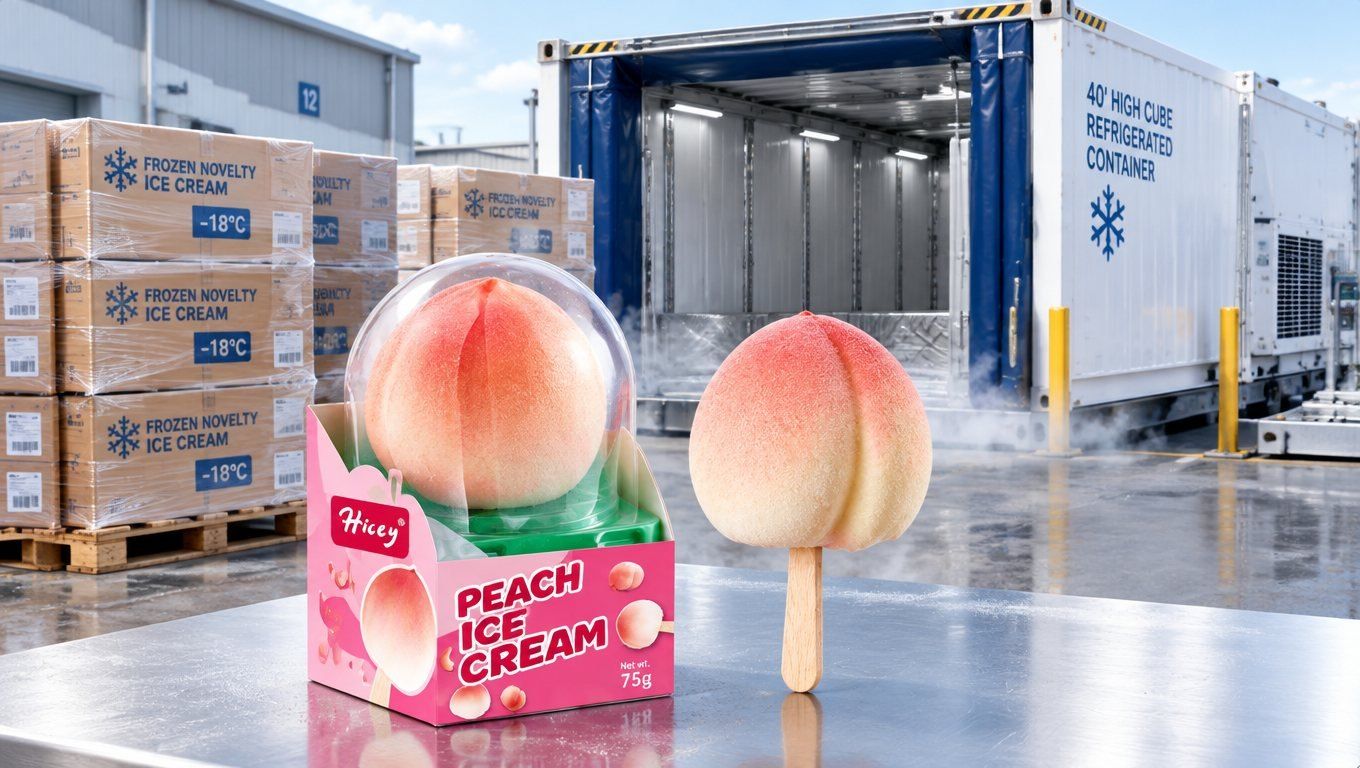
Lock both together. Reefers are far fewer than dry containers, and several fresh categories compete for them in season, so a finished order can wait for a box, and a booked box can wait for goods. Securing one end alone solves nothing. For an international ice cream importer preparing seasonal retail inventory, treating manufacturing schedules and maritime cold-chain reservations as isolated decisions is one of the quickest paths to port demurrage or lost retail windows.
Navigating overseas frozen food procurement requires synchronizing line availability with carrier container allocation.
Why Can You Not Treat Production and Cold-Chain Booking as Sequential Steps?
Treating these procurement milestones sequentially assumes that either manufacturing capacity or refrigerated shipping equipment can expand on demand. In cross-border cold-chain logistics, neither happens.
A factory production slot represents dedicated time on an automated extrusion and freezing line. It requires advance procurement of food ingredients, specialized mold configurations, multi-language packaging film, and mandatory line changeover sanitation. In standard manufacturing operations, production typically requires approximately 20 working days following formal order confirmation.
Meanwhile, securing a reefer booking—specifically a 40-foot high-cube refrigerated container (40'HQ reefer)—is fundamentally different from booking general dry cargo. Temperature-controlled boxes represent only a small fraction of a shipping line's global fleet. During regional harvest seasons and summer freight peaks, frozen desserts compete directly with seafood, fresh fruit, and meat exports for refrigerated machinery and vessel power plugs.
``` Sequential Mistake 1: Lock production slot → Finish cargo → Start reefer search → No refrigerated boxes → Cargo stranded in cold storage
Sequential Mistake 2: Book reefer space → Lock departure date → Factory faces staging queue → Production misses port cut-off → Dead freight fines ```
What Happens When One Side Slips?
Ice cream requires continuous temperature maintenance at or below -18°C. Any thermal fluctuation causes irreversible recrystallization, where microscopic moisture melts and refreezes into coarse ice crystals, permanently destroying product overrun, shape integrity, and mouthfeel. Finished product cannot simply sit on a general loading platform awaiting maritime space.
| Scheduling Approach | Primary Operational Bottleneck | Direct Financial & Physical Consequence |
|---|---|---|
| Lock production slot first, book reefer later | Finished product completed without confirmed vessel equipment. | Escalating commercial cold-storage fees, secondary transport handling, and risk of storage temperature shifts. |
| Book reefer space first, schedule line later | Container sailing date fixed before raw material and line changeover are ready. | Missed cargo cut-off deadlines, container detention fees, vessel roll-overs, or carrier dead freight charges. |
| Dual-lock alignment (Recommended standard) | Production ready date (CRD) and carrier empty-box positioning scheduled simultaneously. | Predictable loading schedule, direct stuffing from blast storage to reefer, zero intermediate transfers. |
How Should You Calculate Your Lead Time Milestones?
To maintain schedule synchronization, an ice cream importer should structure the procurement workflow backward from the target distribution date:
- Inquiry and specification alignment: Commercial quotation and packaging review typically require 24 hours.
- Sample evaluation: Existing product samples ship within 3 to 5 working days (sample goods provided without charge, buyer covers international courier freight).
- Order finalization: Approximately 7 working days to confirm order specifics, multi-language ingredient panels, barcode registration, and carton markings.
- Factory production scheduling: Approximately 20 working days for raw material staging, line slot allocation, production run, metal detection, micro-testing, and release.
- Reefer container release: Coordinate container pick-up 2 to 3 days prior to the cargo ready date so the reefer arrives at the plant's dock doors for direct loading.
Container capacity calculations must also reflect refrigerated realities. A standard 40-foot high-cube reefer typically holds approximately 5,000 cartons, though actual loading depends on specific carton dimensions. Unlike general dry freight, reefer loading must leave the floor T-bars and ceiling red load line unobstructed to ensure forced cold airflow circulates evenly around every pallet.
How Does Dual-Lock Scheduling Work in Factory Practice?
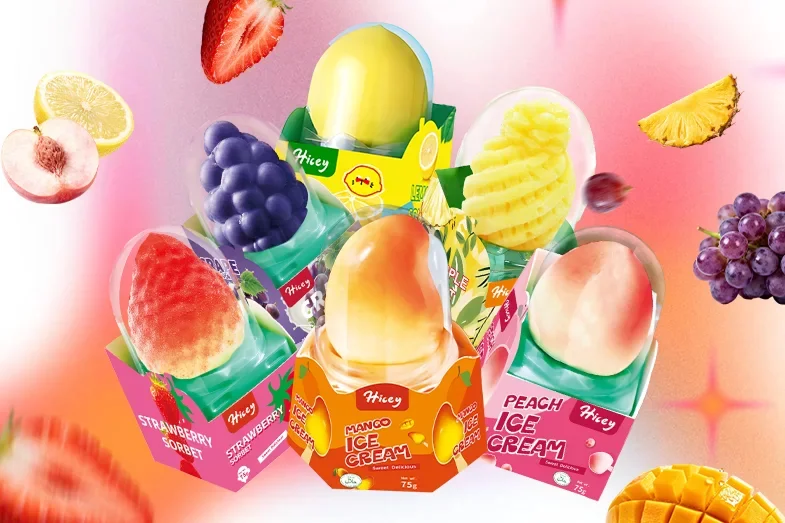
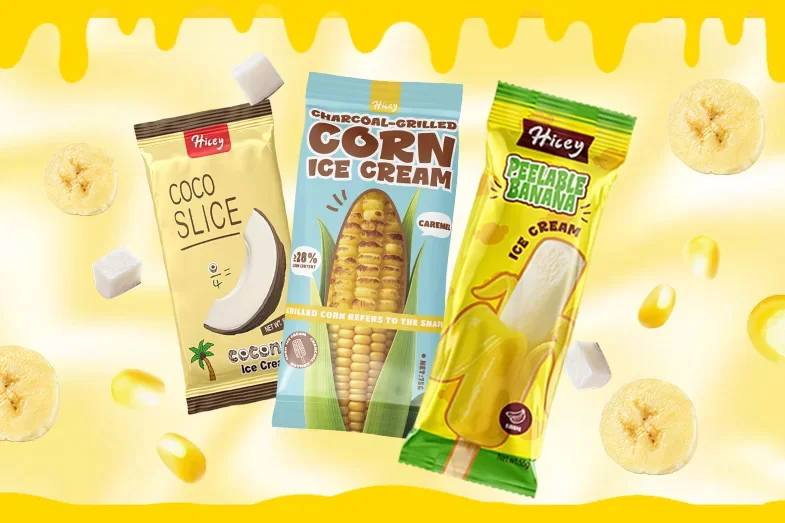
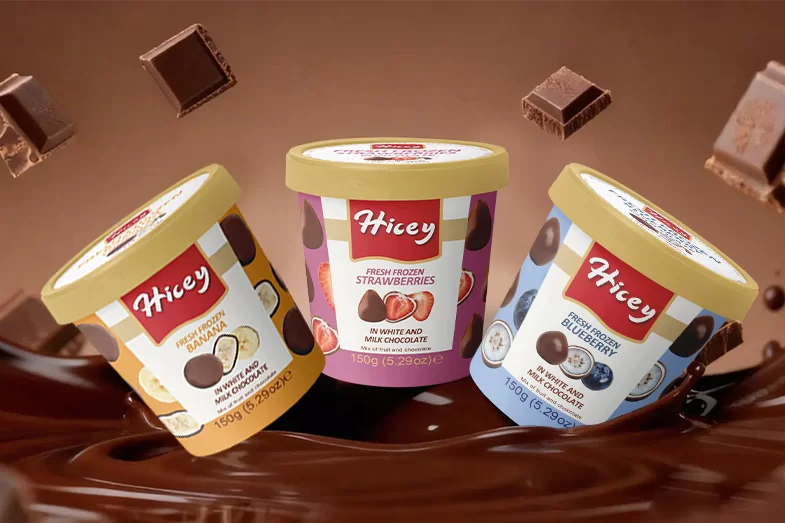
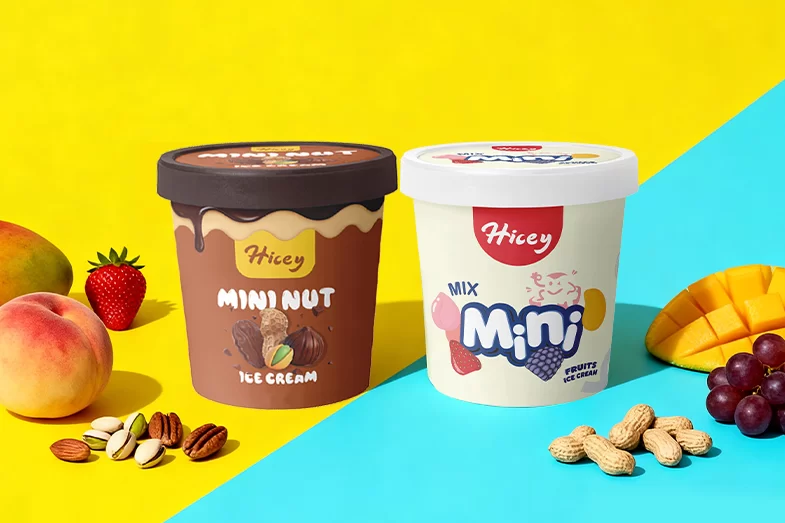
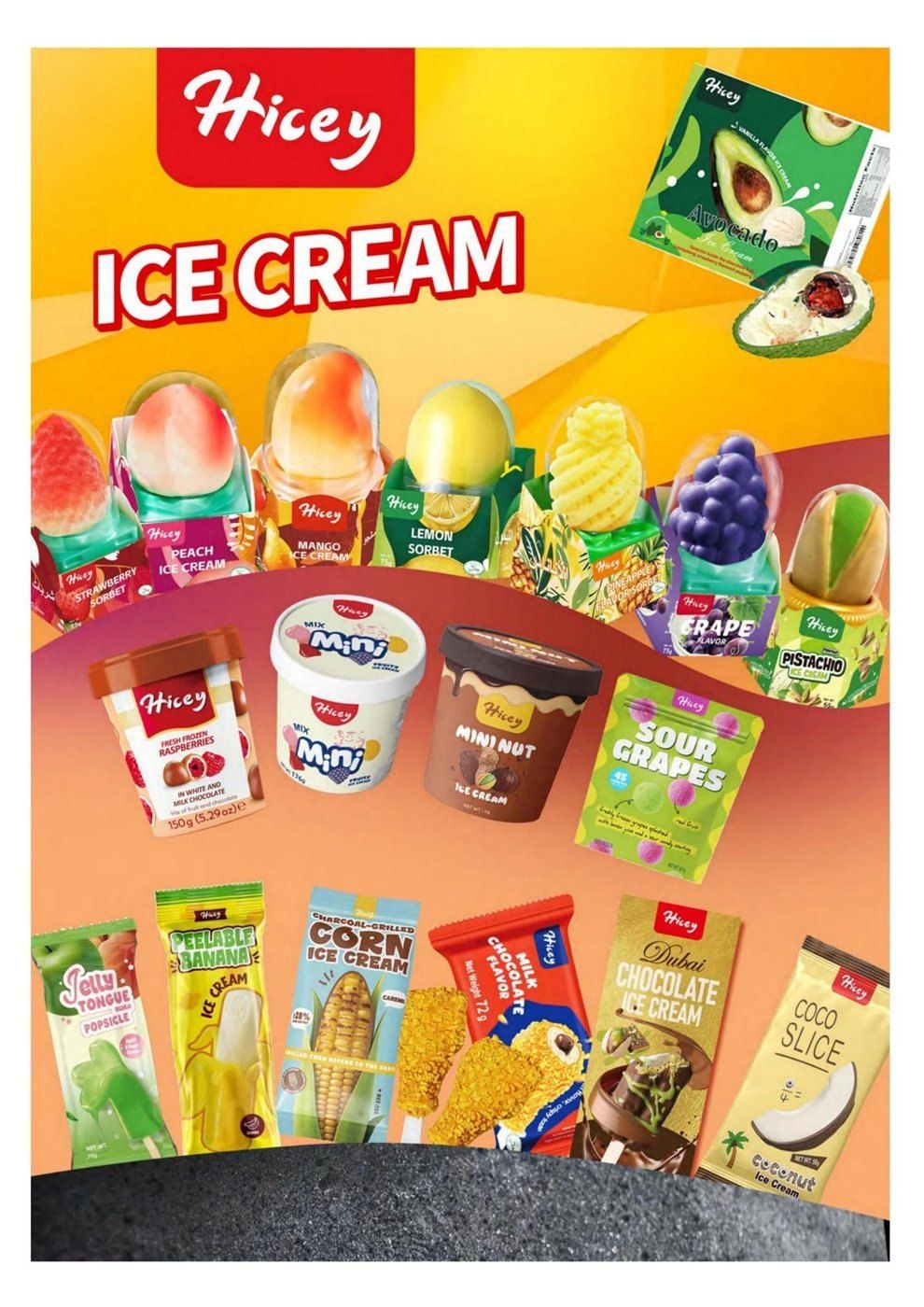
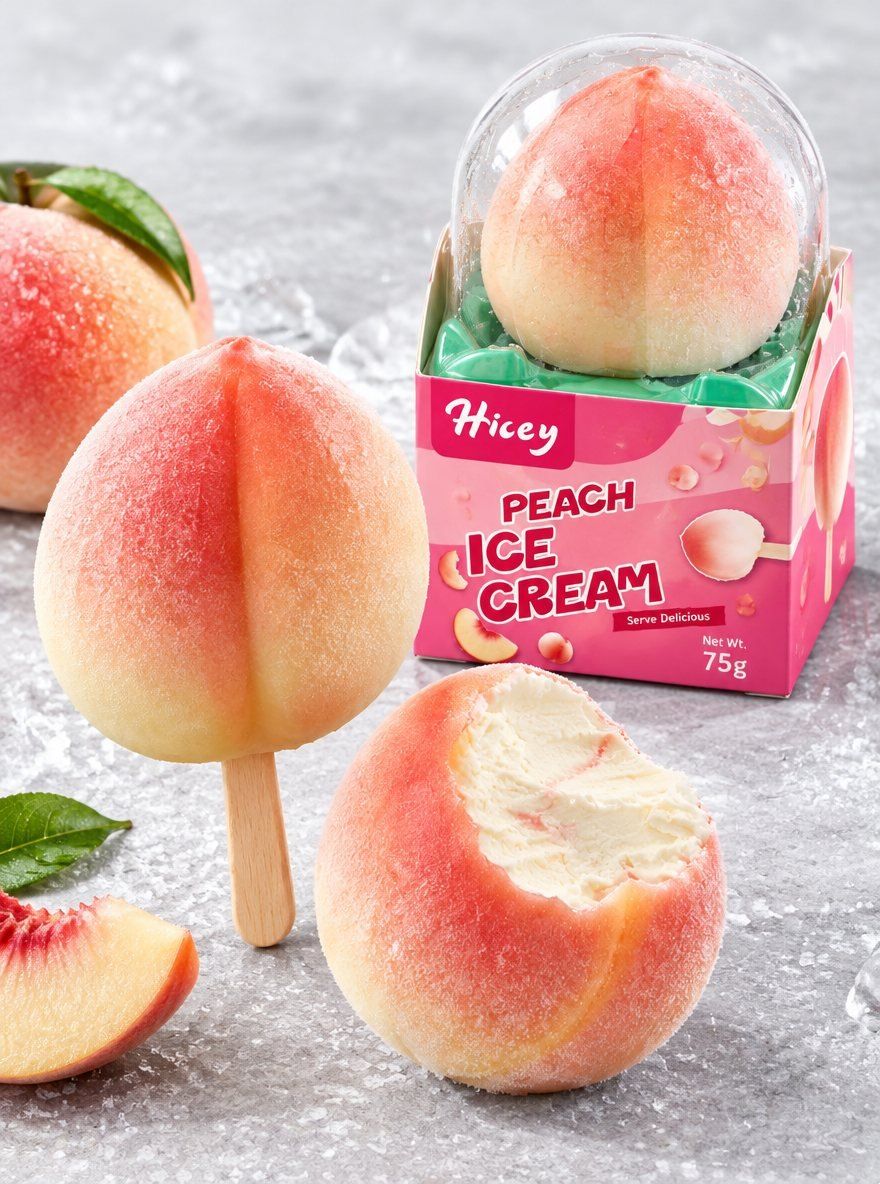
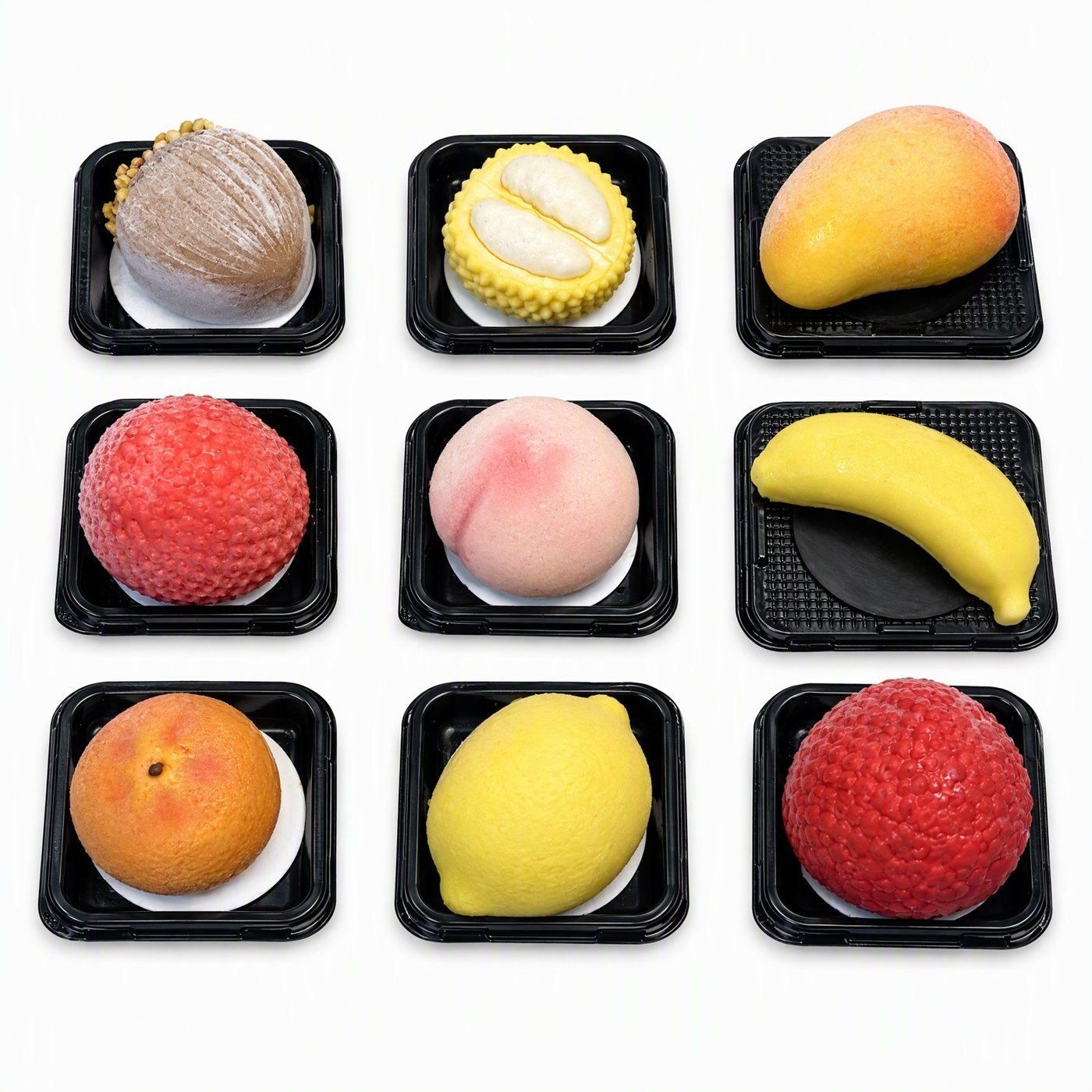
Hicey, the ice cream brand of Beijing Youshare Food Co., Ltd., manages this interface directly with overseas importers and their freight forwarders. Shipping novelty 3D frozen products across international markets under ISO 22000 food safety management systems and FDA facility registration, Hicey treats production slot confirmation and shipping schedules as interdependent tasks.
When an overseas importer prepares a container purchase, Hicey establishes a firm Cargo Ready Date (CRD) upon order confirmation. The buyer’s designated freight forwarder immediately uses this locked CRD window to request empty reefer release from the port terminal. This ensures that the refrigerated container backs into the factory dock right as finished batches clear quality control release, transferring goods directly from -18°C cold staging into pre-cooled maritime transport.
FAQ
Can finished ice cream hold at the manufacturing plant if reefer vessel space is postponed? Factory cold storage is optimized for production throughput rather than long-term commercial warehousing. While plants accommodate standard shipping buffers, extended port delays congest staging bays and create inventory bottlenecks.
How does an importer protect cargo during peak seasonal shipping squeezes? Begin procurement discussions 3 to 4 months ahead of peak retail demand. Locking production slots alongside container commitments 8 to 12 weeks before required port arrival avoids equipment shortages and ensures reliable transit.
Does a 40-foot reefer hold the same cubic volume as a standard dry container? No. Refrigerated containers feature thick polyurethane insulation, floor airflow ducting, and cooling equipment, reducing internal cargo volume compared to dry boxes. Stacking must never exceed the interior load line.
Shared by the cross-border fulfillment team at Hicey, the export brand of Beijing Youshare Food Co., Ltd. We provide 3D molded ice cream solutions with clear operational benchmarks, including an estimated 20-working-day production schedule once orders are confirmed. Inquiries and technical questions are always welcome in the comments.
#IceCreamImporting #ColdChainLogistics #ReeferBooking #ProductionSlot #FrozenDessertSourcing
Product super fit, quick contact unlock exclusive program


looking for more infermatien?
Tel+Whatsapp:
Address: Yard 8, Fuze Road ,Fangshan District.Beijing, China
610 Zhonghai International Plaza, LicangDistrict, Qingdao, Shandong, China