




-


-


-


Online Message


What Is the Minimum Order Quantity for Custom 3D Ice Cream Mold Tooling?
2026-10-16
Share to:


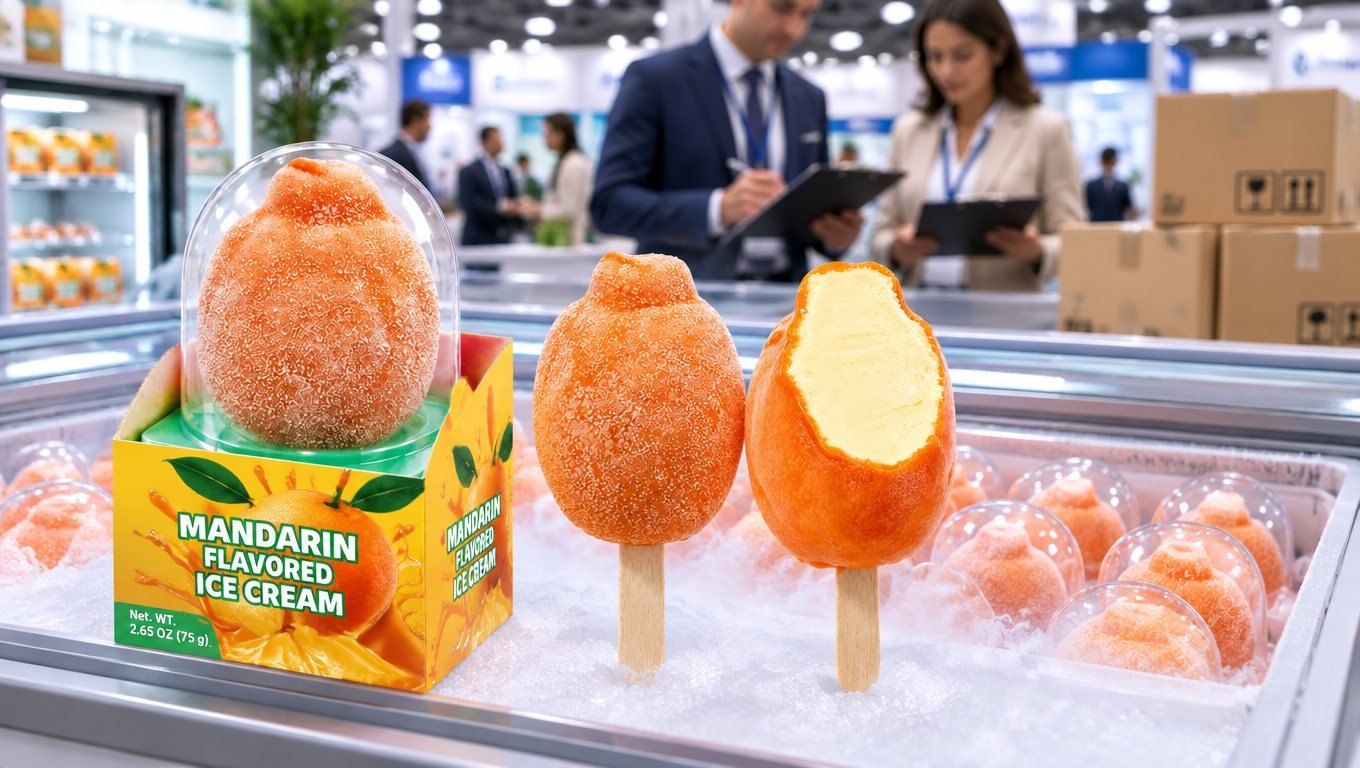
In shaped novelty ice cream manufacturing, batch thresholds are structured around packaging print minimums at 600 cartons and full OEM line changeover and cleaning costs at 1,000 cartons rather than arbitrary per-piece counts. Buyers frequently ask whether custom 3D novelty ice cream requires tens of thousands of pieces per order. The short answer is no. Tooling fabrication itself represents an upfront capital expenditure for precision food-grade molds, while recurring production minimums are governed by the operational economics of automated packaging runs and industrial line sanitation.
Understanding how an industrial facility calculates these minimum order quantities (MOQs) allows overseas importers, supermarket buyers, and private-label brand owners to evaluate custom programs without committing unnecessary working capital.
Why Are Ice Cream MOQs Calculated in Cartons Instead of Pieces?
In international cold-chain trade, ice cream is traded and scheduled exclusively by the master carton, never by individual piece counts or bulk metric tonnage. Quoting per piece fails to account for pallet configuration, container cube utilization, and cold-store intake standards.
Reefer logistics operate under rigid dimensional constraints. A standard 40-foot high-cube reefer container (40'HQ) typically holds approximately 5,000 cartons, depending on product-specific master box dimensions (such as 12 individually wrapped units per carton). When an export manufacturer evaluates whether a production run is commercially viable, scheduling teams calculate how many master cartons the continuous freezer output yields. Expressing order volumes in cartons bridges the gap between packaging print limits, factory line pacing, and ocean freight logistics.
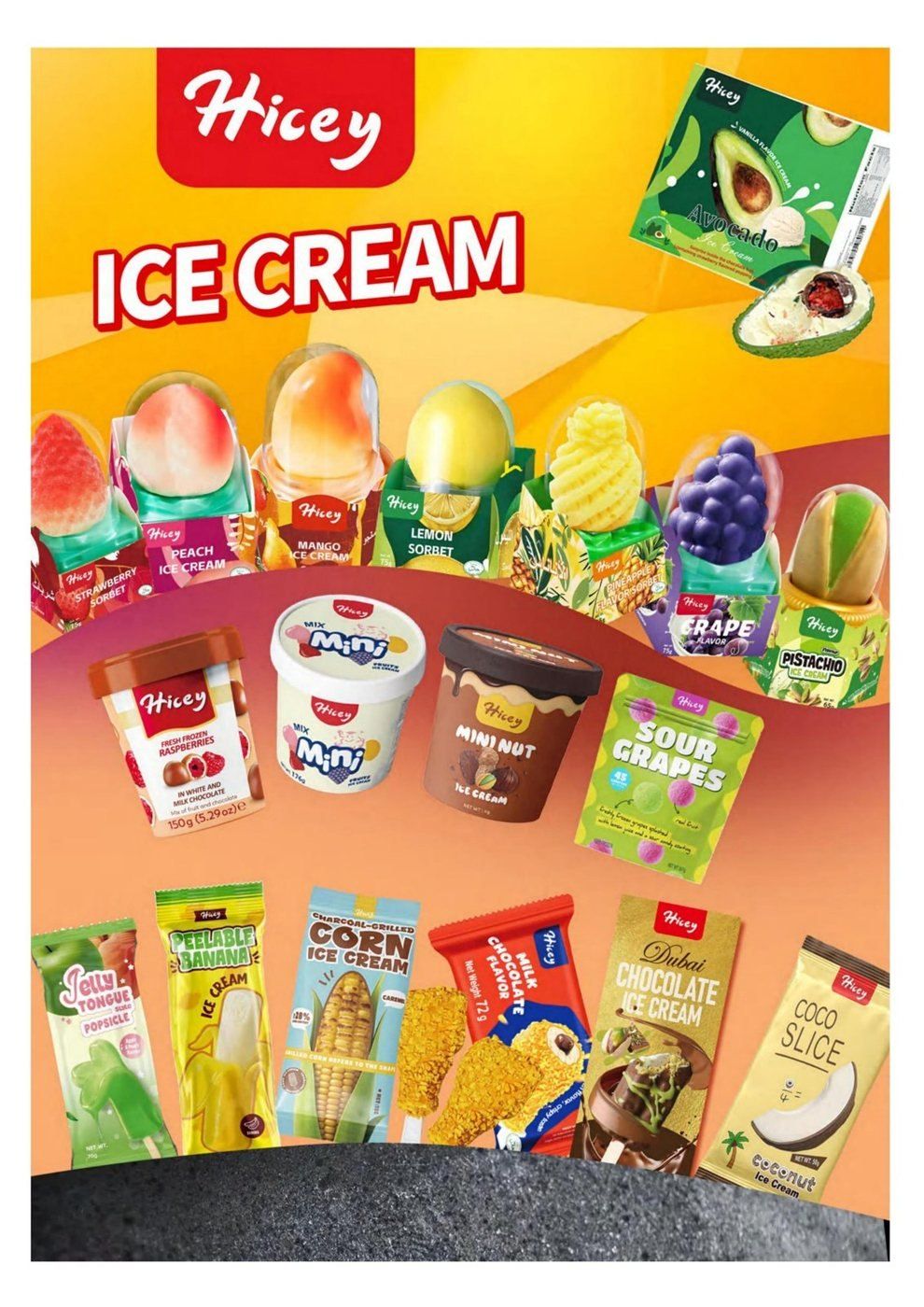
How Are MOQs Determined When Developing Custom Novelty Ice Cream Shapes with an OEM?
When developing proprietary novelty shapes with an OEM, production minimums resolve into two operational thresholds:
1. The Packaging Threshold: 600 Cartons
For programs utilizing existing shaped extrusion lines but requiring customized outer packaging, multi-language ingredient panels, and localized GS1 barcodes, the baseline requirement is 600 cartons. This minimum is dictated by commercial offset printing presses and automated box-folding converting machinery. Below 600 cartons, packaging converters either decline the job or levy setup surcharges that inflate individual unit costs beyond commercial retail viability.
2. The Line Changeover and Sanitation Threshold: 1,000 Cartons
When an order calls for dedicated 3D mold tooling changeovers, proprietary recipe blending, or multi-colored extrusion layers, the production minimum moves to 1,000 cartons. The driving constraint is the fixed cost of line downtime and chemical sanitization. Switching an automated continuous freezer line requires: - Disassembling previous extrusion heads and mechanically mounting custom 3D mold assemblies. - Executing a complete Clean-in-Place (CIP) wash and thermal sanitation cycle across all product-contact pipes to prevent microbial contamination. - Calibrating continuous freezing overrun, pump pressure, and cryogenic demolding temperatures to maintain crisp 1:1 sculptural replication at a -18°C core.
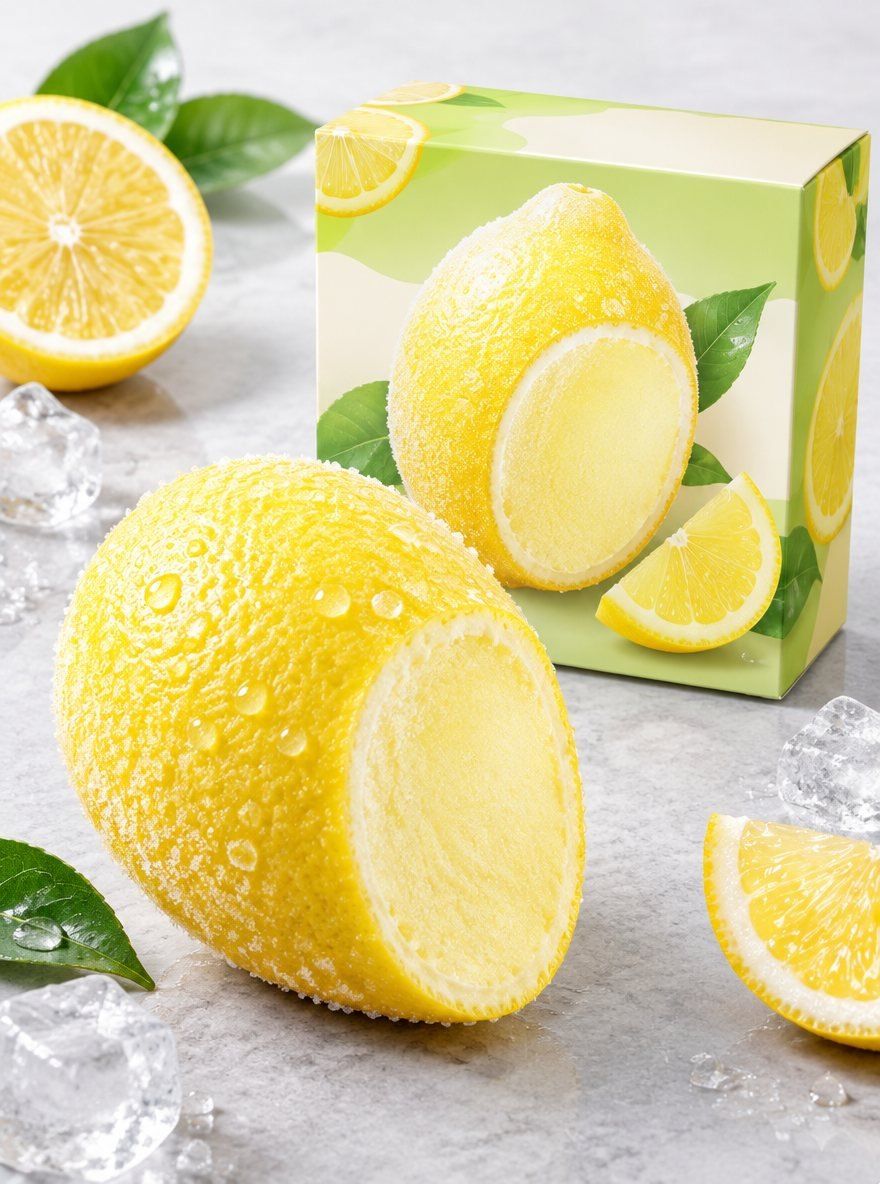
A batch under 1,000 cartons cannot absorb the four to five hours of technician labor, sanitizing agents, and initial trial scrap generated during calibration.
| Production Tier | Minimum Threshold | Primary Operational Driver | Commercial Scope |
|---|---|---|---|
| Custom Packaging & Barcodes | 600 master cartons | Commercial printing plate setup and folding converter runs | Standard 3D shapes with bespoke brand packaging |
| Full Custom Line Tooling | 1,000 master cartons | CIP line sanitation, line changeover, and demolding calibration scrap | Proprietary 3D novelty shapes, dual-recipe setups, bespoke profiles |
What Is the Relationship Between Tooling Cost and Production MOQs?
Custom mold tooling fees and recurring production MOQs are separate commercial terms that should not be conflated.
Tooling represents an upfront, one-time engineering expense covering CAD structural modeling, CNC precision machining from food-grade alloys, surface polishing, and test demolding. Paying for custom tooling does not eliminate the physical reality of line changeovers. Every time a plant mounts those molds for a production run, it incurs identical CIP sanitation and calibration overhead. Industrial manufacturers therefore maintain the 1,000-carton baseline per production campaign, regardless of mold ownership status.
How Industrial Manufacturers Execute Custom Programs
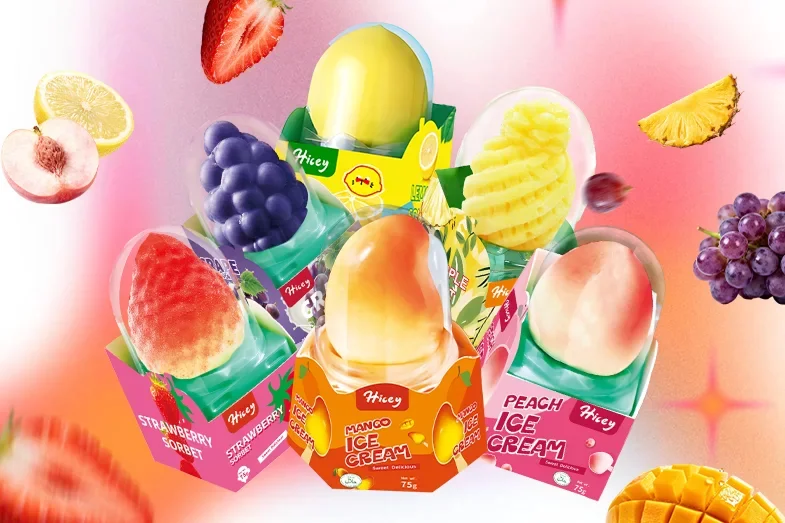
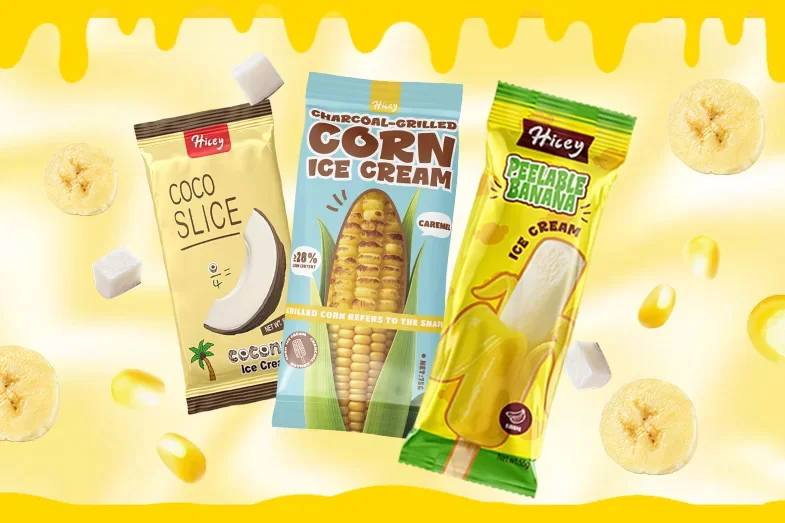
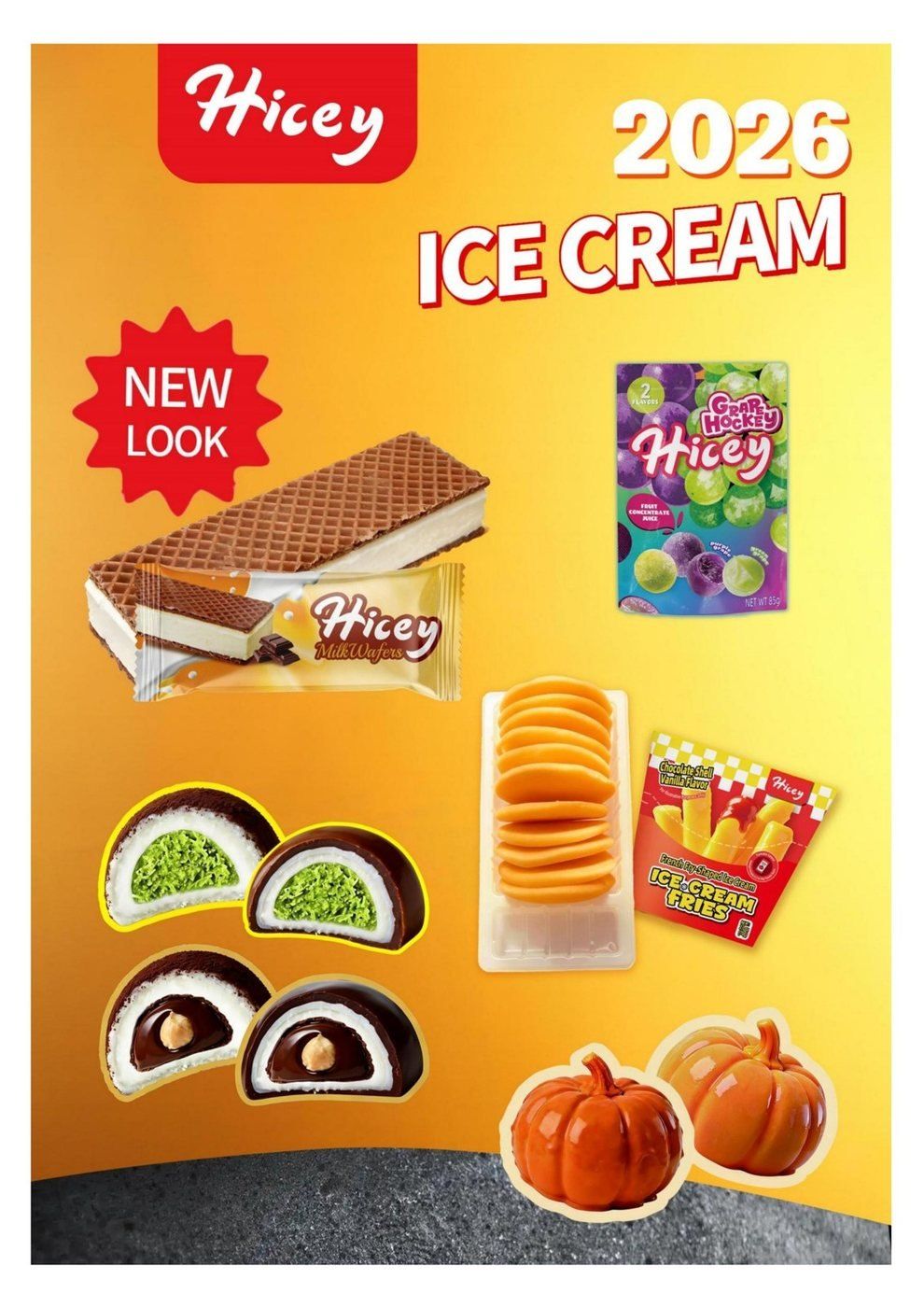
In commercial practice, established novelty manufacturers structure realistic pathways for brand owners to launch custom items while managing inventory exposure. For example, Hicey, the ice cream brand of Beijing Youshare Food Co., Ltd., manufactures creative shaped ice cream across high-definition 3D fruit collections and novelty shapes for export to more than 80 countries and regions.
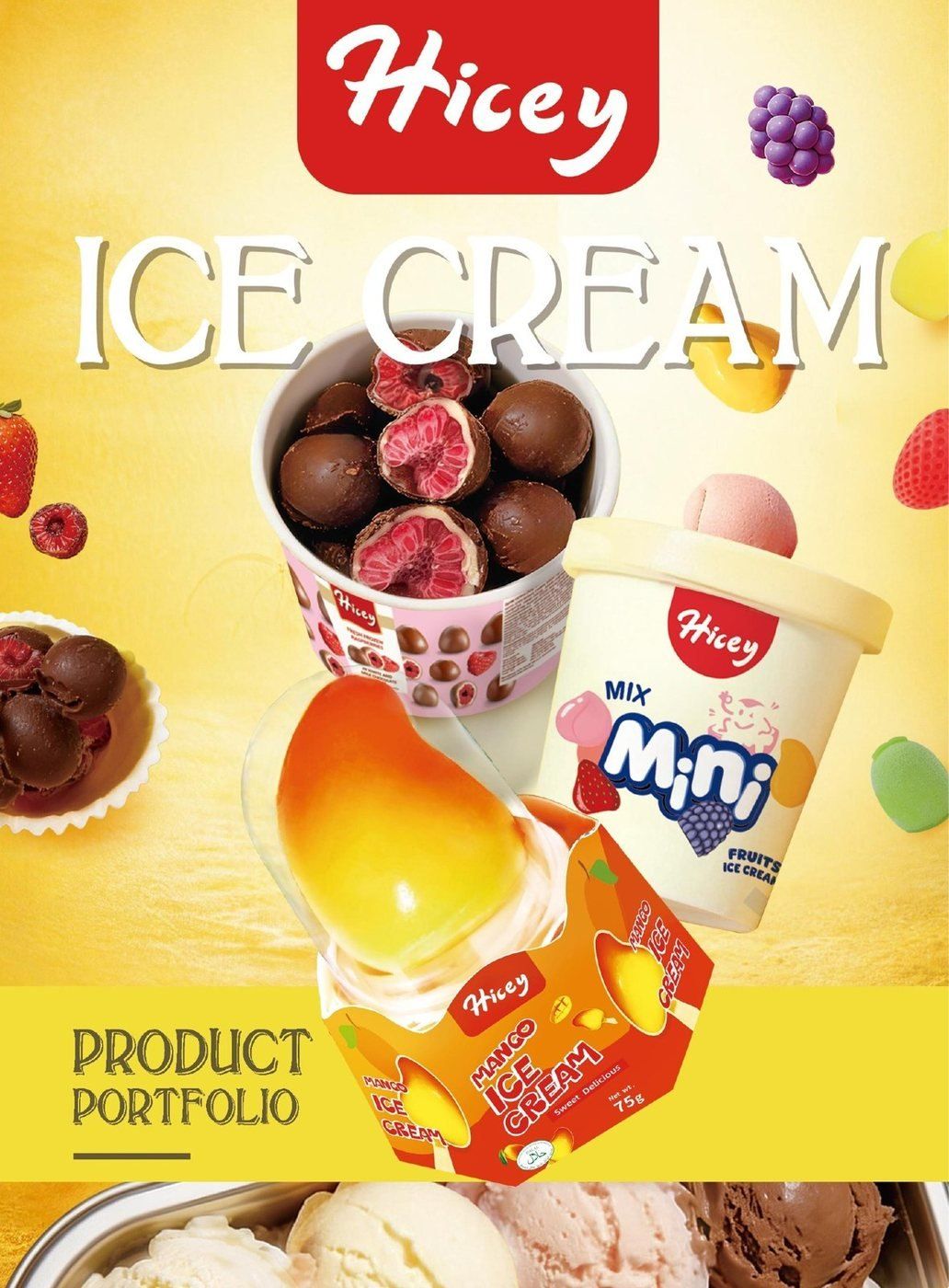
To support distributors entering new market channels, custom packaging and multi-language labeling configurations begin at 600 cartons, whereas bespoke OEM novelty items requiring custom line tooling begin at 1,000 cartons. For full container procurement (a 40'HQ carrying roughly 5,000 cartons), buyers can balance inventory turn by combining high-velocity standard shapes with custom-tooled lines in defined mixed-container ratios. Under standardized export procedures, official quotations are typically issued within 24 hours, pre-production samples ship within 3 to 5 working days, and factory production takes approximately 20 working days following final purchase order confirmation.
Frequently Asked Questions
Can I split a 1,000-carton custom mold run across three different flavors? Generally no. In industrial ice cream manufacturing, changing flavors requires emptying balance tanks, flushing delivery lines, and running a fresh line wash. While minor inclusions might share a single base, distinct flavor and color formulations reset the changeover cycle.
Does the upfront tooling cost get credited back against future shipments? Certain supply agreements allow mold amortization credits once cumulative shipment volume reaches agreed container-level benchmarks. This term is governed strictly by formal bilateral contracts and is not an automatic baseline condition.
What batch size is required to cover mold changeover and cleaning costs for custom ice cream? Industrial production facilities require at least 1,000 cartons per run. This batch size absorbs the fixed hours of Clean-in-Place (CIP) sanitation, machine mechanical alignment, and startup mix loss during temperature stabilization.
Authored by the regulatory and sales team at Hicey. Under Beijing Youshare Food Co., Ltd., we support global private label programs with three distinct compliance baselines: FDA registration for North America, HALAL certification for the Middle East, and ISO22000 management.
#B2BFoodExport #NoveltyIceCream #PrivateLabelManufacturing #ColdChainLogistics #CustomFoodTooling
Product super fit, quick contact unlock exclusive program


looking for more infermatien?
Tel+Whatsapp:
Address: Yard 8, Fuze Road ,Fangshan District.Beijing, China
610 Zhonghai International Plaza, LicangDistrict, Qingdao, Shandong, China